Lori traditional clothing: an amalgam of Iranian culture, history and identity
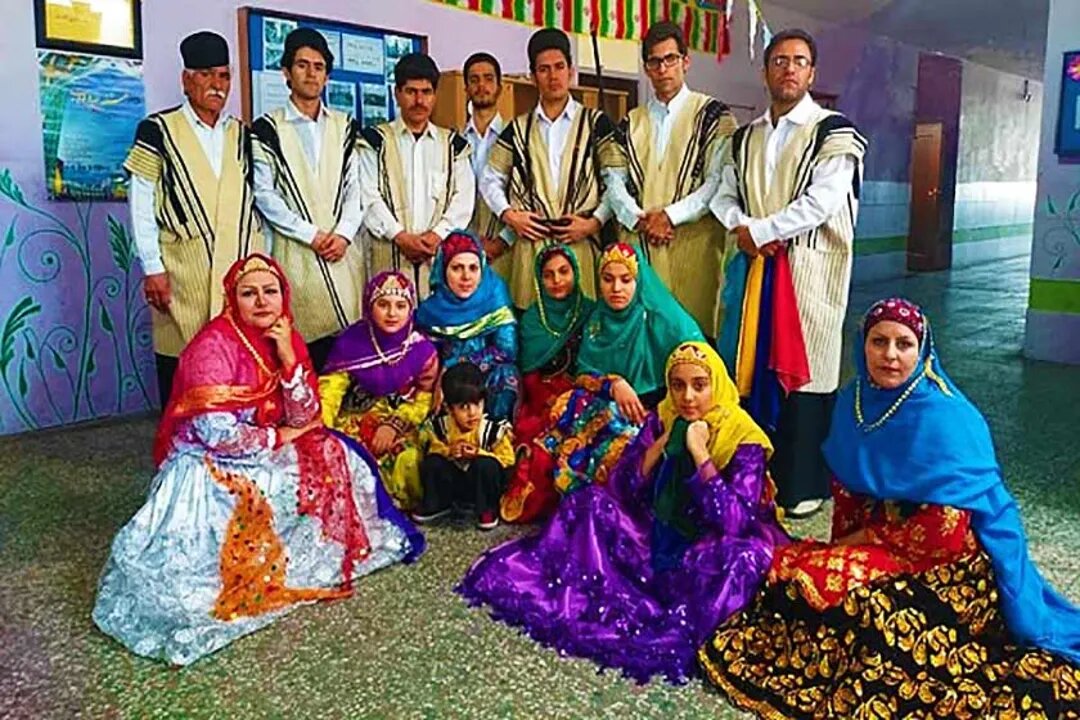
TEHRAN – Lori traditional clothing is one of the most vivid expressions of Iran’s indigenous culture. More than a form of dress, it reflects the history, beliefs and lifestyle of the people of the Zagros region who have preserved their Iranian identity for centuries.
With a rich and ancient cultural background, Lor ethnic groups have played a notable role in Iran’s history and civilization. Their clothing traditions offer insight into living conditions, geography and social values. The use of durable fabrics, designs that allow ease of movement, and adaptability to both cold and warm climates highlights the ingenuity of the Lor people in responding to their natural environment. These garments stem from long-standing nomadic and rural traditions, with each element serving a practical purpose.
Beyond functionality, Lori clothing also reflects a distinct aesthetic. Colors, patterns and decorations convey emotion, character and social status. Bright, diverse colors in women’s clothing symbolize vitality and hope, while the simplicity and strength of men’s attire represent endurance, courage and the epic spirit associated with the Lor people.
Lori clothing also varies by occasion, including celebrations, weddings, religious rituals and traditional ceremonies. These variations underscore the close relationship between dress and social customs, with each style conveying cultural meaning.
Modern lifestyles and changing fashion trends have increased the risk of traditional clothing being forgotten. As a result, documenting and promoting Lori attire is an important step in safeguarding Iran’s intangible cultural heritage and understanding the identity and way of life of a people who have retained their authenticity over time.
In an interview with Mehr News Agency, Negar Motlaq, a designer and tailor of local clothing, said the colors and fabrics used in Lori garments are closely tied to age. Elderly women tend to choose simpler designs and darker or muted colors with minimal decoration, while girls and young women favor brighter colors, richer patterns and more embellishments.
Motlaq added that younger women are increasingly drawn to newer designs featuring patterned sleeves and lighter, more varied diaphanous scarves, known as charqads. She explained that hats, vests, charqads, tunics or skirts, forehead coins and decorative scarf pins are key elements of Lori clothing. Married women typically do not wear hats and often place an additional white or floral scarf beneath the charqad.
“Local clothing is not just fabric and stitching,” Motlaq said. “Each garment has a story and a soul shaped by generations of skilled hands.” She noted that intricate embroidery, needlework and color combinations inspired by nature remain valuable references for contemporary design, adding that the handmade authenticity of local clothing is especially precious in an age of mass production.
Farideh Shojaeian, a Lor woman and traditional clothing tailor from the Noorabad Mamasani region in Fars province, highlighted the complexity and high cost of producing these garments, particularly for ceremonies such as weddings.
A complete Lori outfit, she said, includes multiple layers of skirts, shirts, scarves or shawls, vests and decorative elements such as tassels, pins and ashrafi-style coins. The skirts alone may require up to six meters of fabric, while a full outfit can use between 10 and 14 meters, depending on fabric type and thickness, with decorative accessories adding to the cost.
Referring to her nomadic roots, Shojaeian said these garments date back generations and have long been an inseparable part of nomadic life. Despite their weight and expense, she noted that younger generations remain interested in wearing traditional clothing, particularly at ceremonies, and in some areas, such as Noorabad, even in daily life.
KD
Leave a Comment