Western pressure will not halt Iran’s scientific sovereignty, says nuclear chief
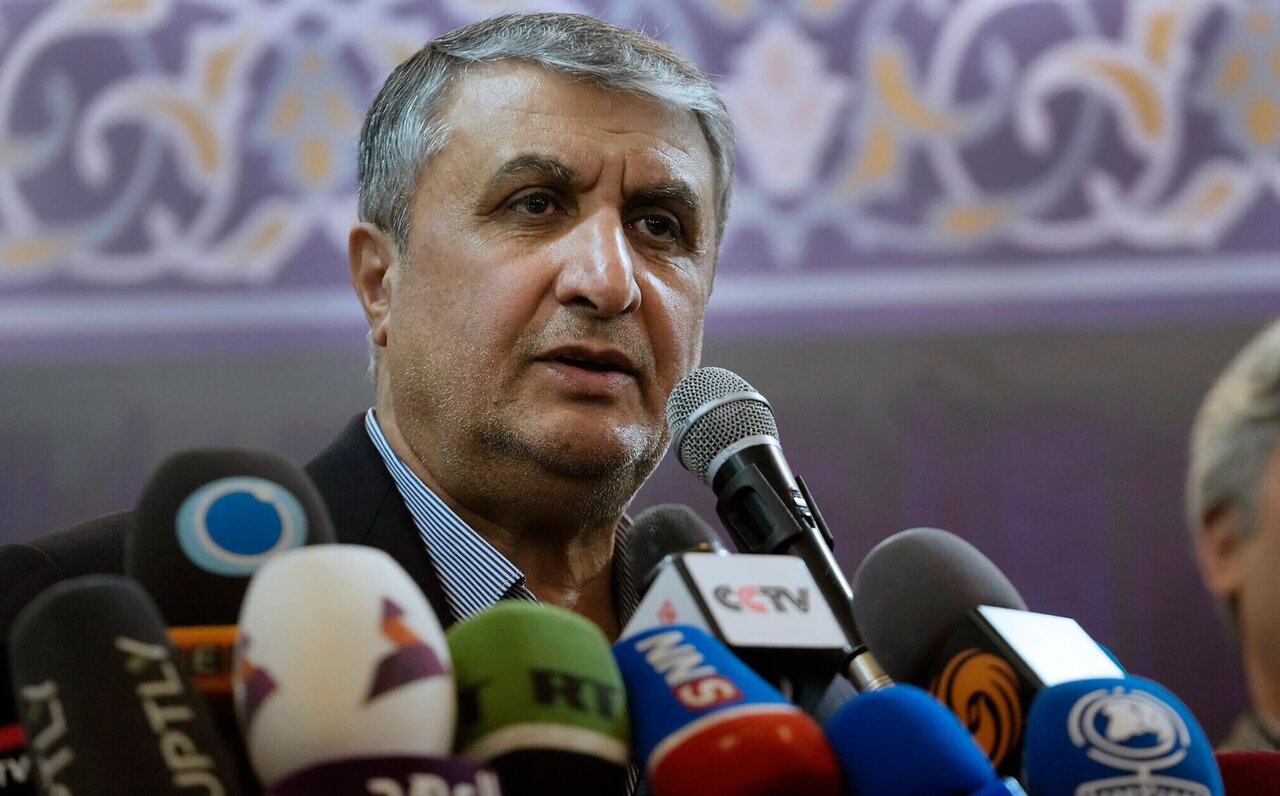
TEHRAN – Mohammad Eslami, the head of the Atomic Energy Organization of Iran (AEOI), has condemned Western attempts to curtail the Islamic Republic’s “scientific advancement”, stating that neither sanctions nor political pressure will stop Tehran from mastering nuclear, quantum, and high-tech fields.
Speaking on the sidelines of a cabinet meeting on Wednesday, Eslami dismantled the latest allegations from the International Atomic Energy Agency (IAEA), describing them as part of a broader campaign of “obstructionism rather than genuine technical oversight.”
Eslami specifically rejected recent remarks by IAEA Director General Rafael Grossi regarding alleged non-compliance with the Non-Proliferation Treaty (NPT). The Iranian official reminded the agency that it must operate strictly within the framework of its legal statute, rather than succumbing to political influences. He highlighted the hypocrisy of demanding inspections at facilities that have been victims of sabotage and external military aggression.
“If our sites were targeted, bombed, and destroyed, what exactly do they want to monitor now?” Eslami asked, challenging the IAEA to clarify its protocols for facilities damaged by attacks before making “baseless demands for access.”
The AEOI chief also exposed the glaring double standards inherent in Western policy. He noted that official national security documents from the United States explicitly prioritize the development of artificial intelligence, nuclear technology, and quantum science. Eslami argued that the obstacles placed before Iran stem “not from misinterpretation, but from deliberate efforts to hinder technological advancement,” noting that it is the legitimate right of the Iranian nation to pursue these same strategic priorities based on its own national interests.
Eslami also dispelled the Western narrative that attempts to equate nuclear technology solely with weaponry. He underscored the peaceful and humanitarian success of the program. “Iran now exports nuclear-related products to 50 countries for use in healthcare, agriculture, and environmental protection,” Eslami stated.
Leave a Comment