Ancient hill in Ilam’s Karezan district inhabited since 5th millennium BC
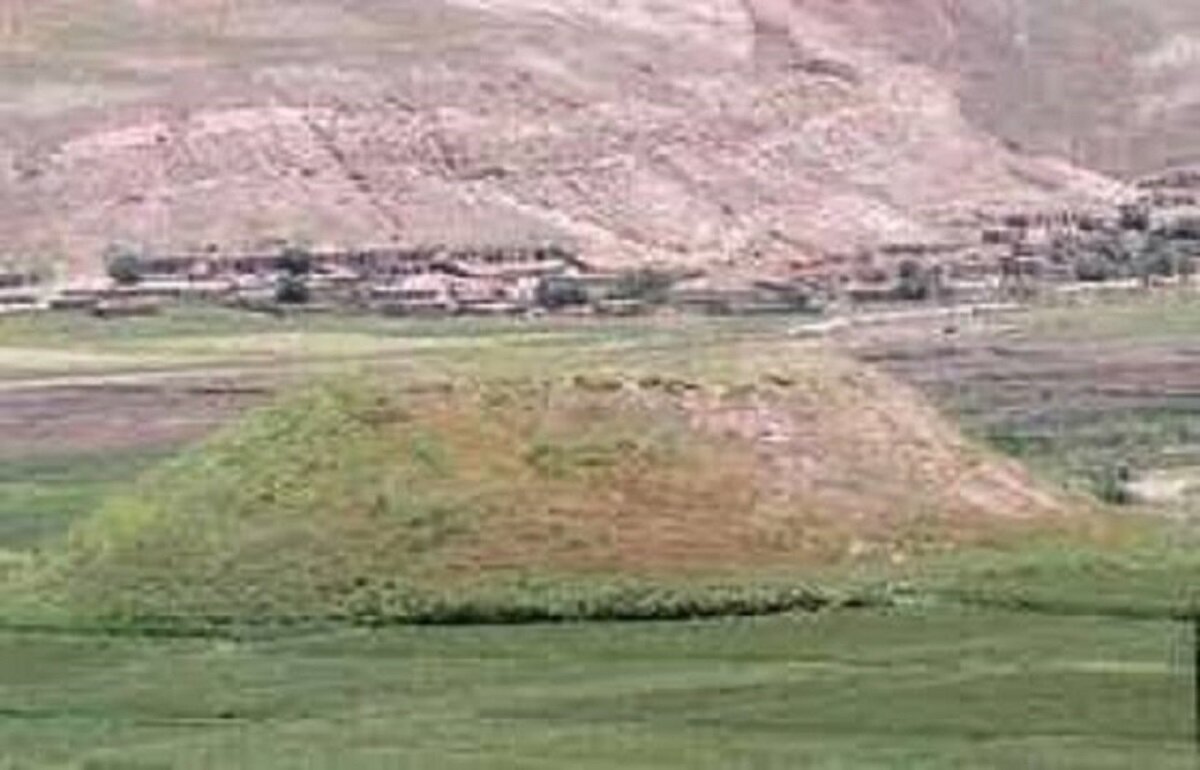
TEHRAN -- Cultural artifacts which have been found on the surface of the Chegha Seifur hill in Karezan district, Ilam province, and their diversity, indicate that Chegha Seifur has been continuously inhabited since the 5th millennium BC until the historical period.
Announcing this, prehistoric archaeologist Habibollah Mahmoudian told ISNA that the ancient hill of Chegha Seifur as one of the historical sites of Ilam province, is located in the intermountain plain of Karezan, 500 meters east of the village of Karezan and 450 meters west of the village of Cheshmeh Khazaneh; a site that, despite its valuable historical potential, shows signs of unauthorized excavations.
He noted that the ancient hill is located near the Sarab-Karezan road to Ilam, and the Ilam Cement Factory was built about two kilometers southeast of it. The springs that flow to the north and west of the hill formed Karezan river and made the surrounding lands fertile; lands that are currently under cultivation.
Mahmoudian explained that field surveys show that the soil on the hill and the surrounding lands is clay soil, and due to the significant height of the hill compared to the surrounding flat plains, the area is clearly visible from a distance; so that there are no high natural features within a radius of about 700 meters.
He stated that the dimensions of the Chegha-Seifur hill have been measured in the east-west direction as about 150 meters and in the north-south direction as about 200 meters. The approximate height of the hill is 18 meters, which reaches 12 meters on the eastern side and about 25 meters on the western and southern sides. The upper surface of the hill is also 55 meters in the southern part and about 35 meters in the eastern and western parts.
The archaeologist continued that on the northern and southern slopes of the hill, especially in the steeper parts, numerous traces of unauthorized excavations have been observed, which has raised concerns about the destruction of the ancient layers.
Mahmoudian said that the surface findings of the site include various types of pottery and stone chips. The identified pottery samples are both plain and engraved, and include handmade and wheel-made pottery, which indicate human settlements in different historical periods in the area, he added.
He added that the ancient site of Kalakin in Karezan is located in the northwest of the hill. “On the northern side and steep slope of the hill, traces of unauthorized excavations can be seen. The pottery samples found in the hill are of simple, engraved, handmade and wheel-made types. The pottery samples found belong to the Bronze Age, the first millennium and the historical period, although the continued settlement on this hill dates back to the prehistoric times.”
KD
Leave a Comment