Netanyahu arrives in Washington to press Trump as Iran–US talks resume
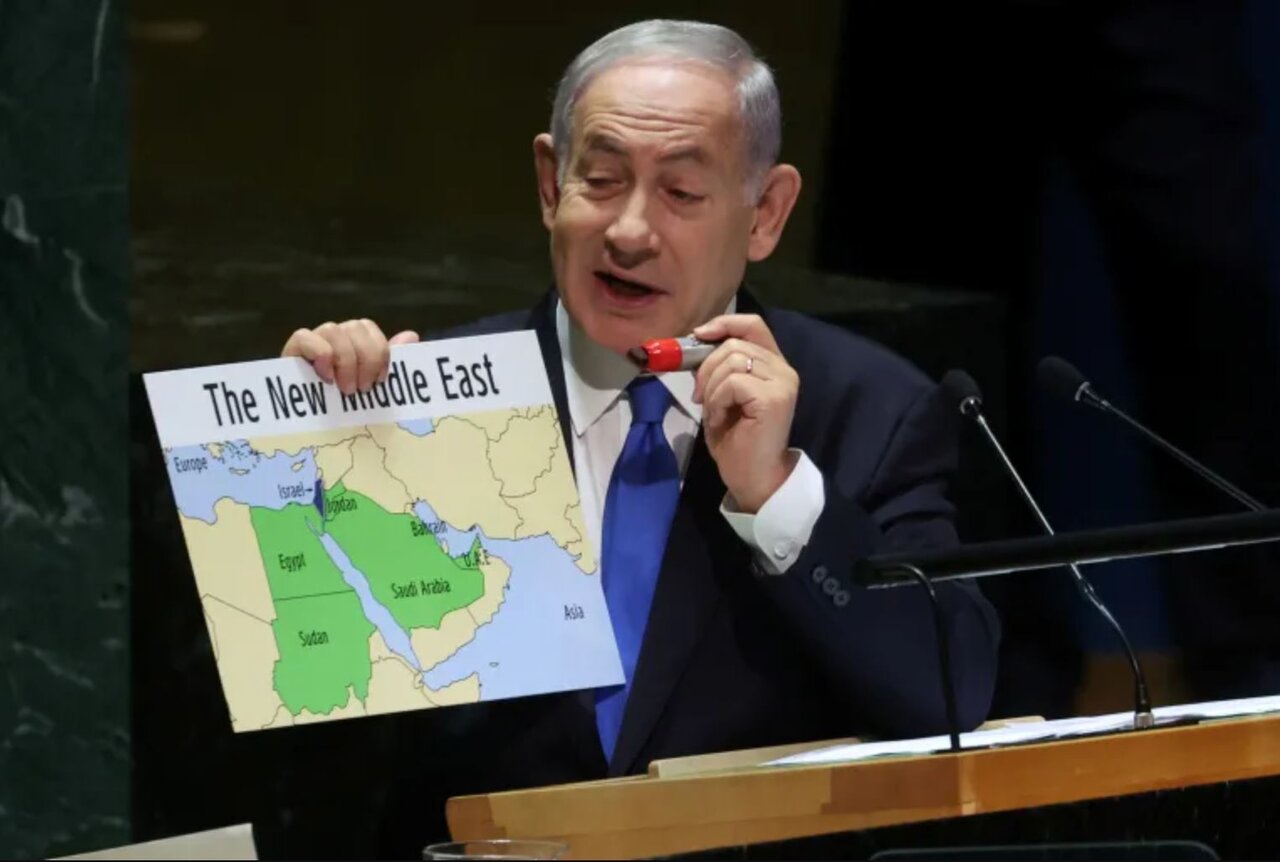
TEHRAN – Israeli Prime Minister Benjamin Netanyahu has arrived in Washington after moving up his trip, a step widely seen as an attempt to obstruct renewed diplomatic engagement between Iran and the United States.
President Donald Trump is set to host Netanyahu at the White House on Wednesday, just days after indirect nuclear talks between Tehran and Washington were held in Oman.
The visit comes as U.S. officials prepare for a next round of discussions with Iran focused on its nuclear program. Netanyahu is expected to urge Trump to broaden those talks to include Iran’s missile capabilities and regional policies—demands Tehran has repeatedly rejected. Iranian officials say such issues fall outside the scope of nuclear negotiations and touch on sovereign defense matters that are not open to bargaining.
Iran’s Foreign Minister Abbas Araghchi warned this week that Israel is again seeking to derail diplomacy and draw the United States into confrontation. In remarks to Russia Today, Araghchi described Netanyahu as opposed to peace and diplomacy, accusing him of repeatedly trying to pull Washington into war with Iran. He pointed to the June conflict, when Israeli attacks escalated into U.S. involvement before Iran’s retaliation forced Israel to seek a ceasefire through Washington.
“That experience was a disaster,” Araghchi said, adding that repeating it would not change the outcome. He stressed that Iran’s missile program is an integral part of its defensive capability and will not be negotiated.
Iran’s top security official, Ali Larijani, echoed those warnings ahead of Netanyahu’s meetings in Washington, urging American officials not to allow the Israeli leader to dictate the framework of negotiations. Speaking during a visit to Oman, Larijani cautioned against the “destructive role” of Israeli pressure at a sensitive diplomatic moment.
Analysts say Netanyahu’s decision to advance his trip reflects deep concern in Tel Aviv that Washington and Tehran could reach a deal that reduces tensions without meeting Israel’s maximalist demands. They argue that Israel has consistently pushed to expand negotiations in ways that risk collapsing talks altogether, while pressing the United States toward escalation.
Trump’s rhetoric has sharpened in recent months, pairing calls for an agreement with public warnings of military force and a visible buildup of U.S. assets in the region. Tehran has responded by saying it remains ready for a nuclear deal that guarantees its program remains peaceful, but has warned that any new attack would be met with a swift and forceful response.
Leave a Comment