Tea exports rise 10.2% as global prices strengthen
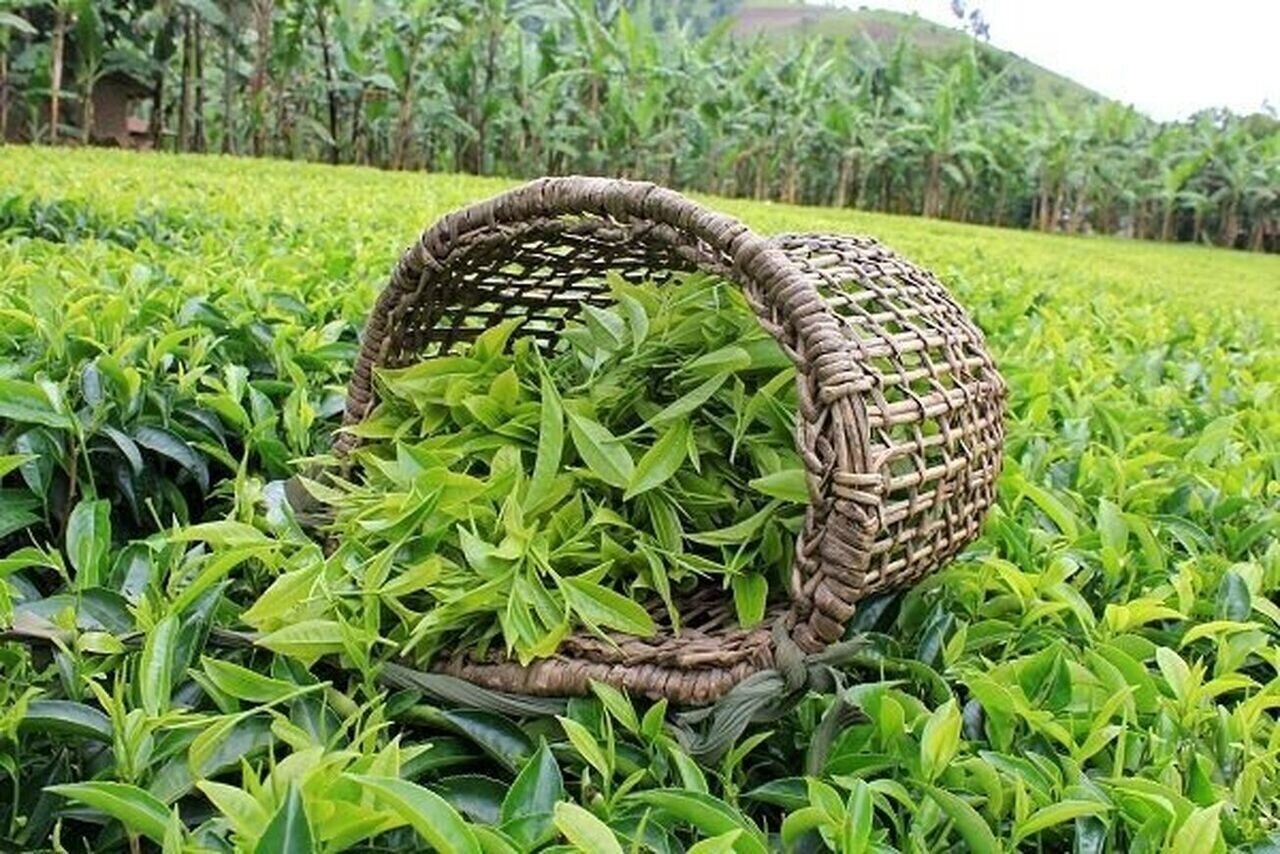
TEHRAN – Iran’s tea exports increased 10.2 percent year-on-year, supported by higher global prices and steady demand in overseas markets, the head of the country’s tea syndicate said.
Exports continue to 33 countries, including European destinations for higher-quality varieties, as well as markets that favor blends less popular among Iranian consumers due to differing tastes, he said.
The average export price rose to $1.20 per kilogram this year from $1.01 a year earlier, reflecting firmer global prices.
He added that the relatively competitive pricing of Iranian tea has supported its position in international markets.
Domestic consumption, however, has moderated amid broader economic pressures and price fluctuations in essential goods, Hassani said, noting that consumers have become more cautious in their spending.
On the import side, Iran purchased 44,900 tons of tea worth $259.9 million from eight countries this year, up 17.5 percent compared with the same period last year.
The average value of imported tea stood at about $6.0 per kilogram, significantly higher than export prices.
Hassani said Iran remains a major consumer market for global tea producers, while lower-priced domestic output provides export opportunities abroad.
He added that demand for locally produced tea has gradually improved following public awareness campaigns highlighting product quality, easing earlier concerns among growers and processors about insufficient domestic demand.
Separately, coffee prices have increased on global markets, rising from $4.75 to $5.87 per kilogram year-on-year, contributing to a decline in coffee imports. Higher international prices and foreign exchange constraints were among the main factors behind the drop, he said.
The Iranian tea industry, deeply woven into the nation's cultural fabric, centers in the Caspian provinces of Gilan and Mazandaran, where the humid climate and acidic soil create ideal growing conditions.
Iranian tea production, primarily of high-quality black tea, involves both traditional Orthodox and modern CTC (Crush, Tear, Curl) methods.
The spring harvest, beginning in early April, is a crucial period where workers, often women, meticulously pick the tender leaves.
Research at the Tea Research Center in Lahijan focuses on improving cultivars like 'Kashef' and 'Lahij' to enhance quality, polyphenol content, and antioxidant activity.
Despite an annual production of around 135,000 tons of green leaves, domestic output satisfies only about 30 percent of national demand.
This demand-supply gap exists because Iran ranks among the world's top four tea-consuming nations, with an annual per capita consumption of 1.5 kg and total consumption around 100,000 tons yearly.
To meet this thirst, Iran imports tea from countries like India and Sri Lanka.
The culture of drinking tea, or chai, is a daily ritual, often involving a samovar to keep water constantly hot.
Iranians typically drink strong, black tea from clear, delicate glasses to appreciate its deep amber color, often sweetening it by placing a sugar cube (nabat) between their teeth and sipping the tea through it—a practice known as "mind your sugar”.
Flavorings like cardamom, cinnamon, or saffron are also popular additions .
This beverage is the cornerstone of hospitality, served at all social occasions, from family gatherings to business meetings.
The traditional tea house, or chaikhaneh, remains a vital social institution, serving as a place for relaxation, conversation, and community, from the bustling bazaars of Tehran to the scenic north.
EF/MA
Leave a Comment