Latest issue of Iran National Museum Journal now available
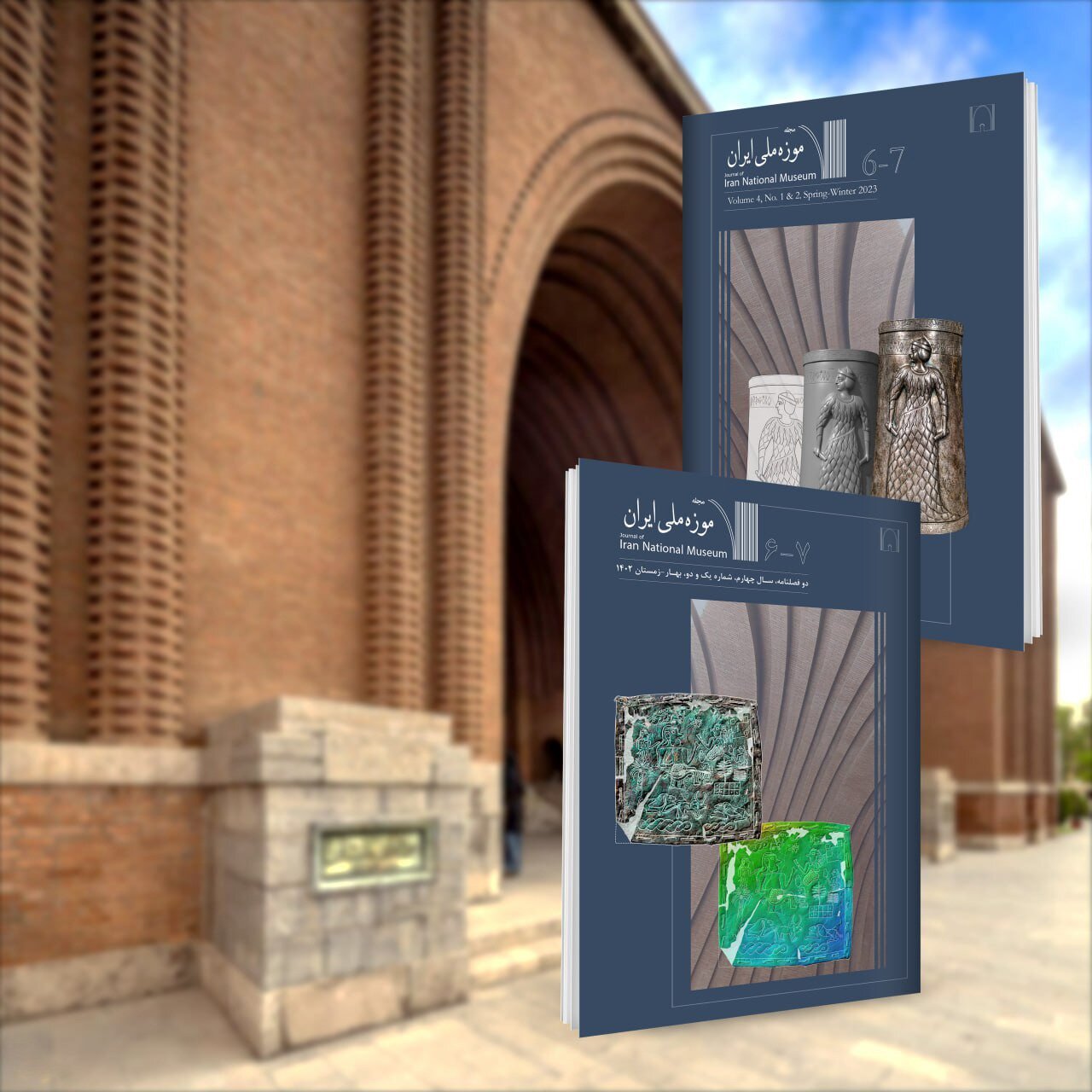
TEHRAN - Jebrael Nokandeh, director-general of the National Museum of Iran, said on Sunday that the latest edition of the museum’s journal, which is published every six months, has been released.
Highlighting the publication's strong reception within academic circles, he noted: "The National Museum’s Biannual Journal has published nearly eighty articles in the fields of archaeology and museology to date, recording over forty thousand downloads so far."
Emphasizing the museum's standing as the country's oldest and most significant repository of archaeological national heritage, Nokandeh stated: "The National Museum of Iran serves both as a repository for historical artifacts and as a platform for research, helping introduce various aspects of Iranian culture and civilization to the academic community at home and internationally."
He added that with this approach, the journal has provided a platform for publishing new research findings based on objects and collections housed in this museum, as well as other museums and archaeological sites. He then pointed to the high number of article downloads, viewing this reception as an indicator of the journal's scientific standing and influence among domestic and international researchers.
According to him, the new issue of this journal (Issue 6-7) contains a collection of 19 diverse articles, each dedicated to an aspect of archaeological, historical, artistic, and cultural heritage conservation studies. These articles, resulting from meticulous research by Iranian and international scholars, introduce newly discovered artifacts or reinterpret lesser-known collections, opening new horizons for understanding Iran's culture and civilization from prehistoric to Islamic times.
Nokandeh went on to introduce some of the prominent articles in this issue, stating: "In the prehistoric section, a study of the lithics from Ali Tappeh Cave in Mazandaran offers a fresh perspective on the Caspian Mesolithic and its connection with Central Asia. Additionally, a reassessment of the lithic collection from Ganj Dareh in Kermanshah reveals new aspects of technological developments during the Neolithic period."
Regarding an article related to the prehistory of Khorramabad in Lorestan, he said: "Given the inscription of the prehistoric sites of Khorramabad Valley on the UNESCO World Heritage List this year, the publication of unpublished data from previous surveys and excavations in this issue—including pottery from the Chalcolithic and Bronze Ages from the survey of Judith Berman and Frank Hole at the National Museum—gains double significance. It paves the way for a more comprehensive understanding of the valley's cultural sequence and its role in regional interactions."
He also referred to another significant article about the "Shahdad Standard," dedicated to the introduction and 3-D documentation of this unique example of Bronze Age metalwork from the margin of the Lut Desert. In the historical period section, various articles have been published, including the identification and behavior study of animals based on footprints preserved on the bricks of Chogha Zanbil, and a re-reading of the Marvdasht silver bowl with a recently deciphered Linear Elamite inscription. The Islamic period section of this journal is enriched with articles such as an analysis of the coins of Al-Mu'tamid 'ala-llah from the Susa excavations, the introduction of the stone bust of Bologhān Khātūn from the Dash Kasan (Soltaniyeh) site, a study of the robe of victory (Jāmeh-ye Fath) of Shah Abbas the Great from the perspective of the science of letters and numbers (Jafr/Abjad), and an examination of the artistic style of Hassan Ali Vaziri based on his painting preserved in the National Museum of Iran's library.
In conclusion, the Director of the National Museum of Iran expressed hope that this diverse and valuable collection would be an effective step towards further introducing the treasures of the National Museum of Iran and pave the way for future research by scholars and enthusiasts of the country's cultural heritage.
AM
Leave a Comment