Kushner’s overreach in France: A wake-up call for European independence
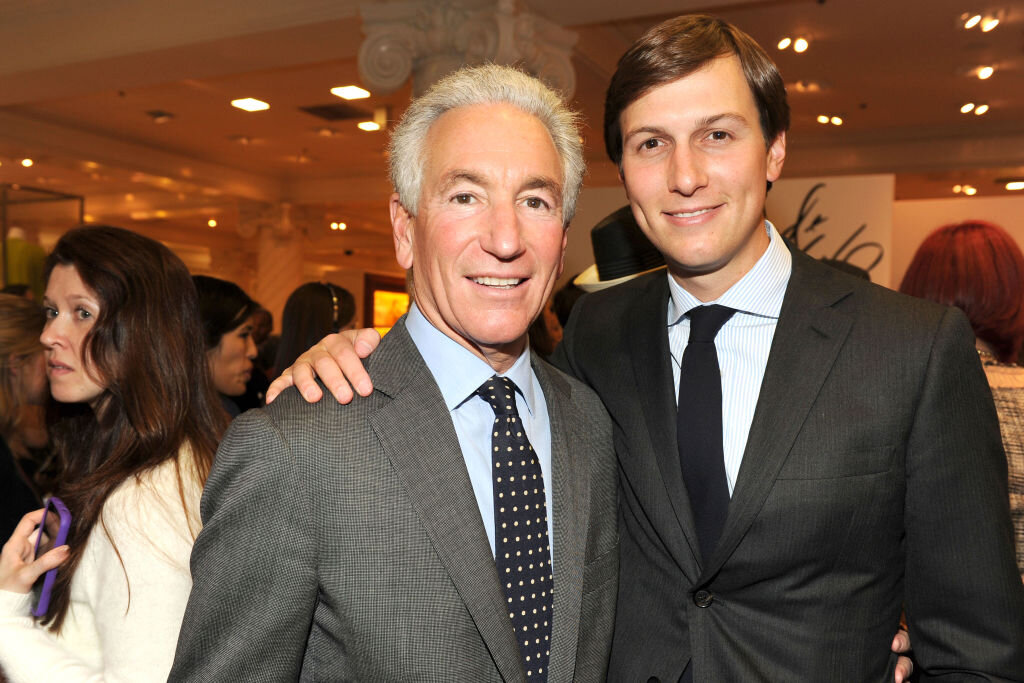
TEHRAN – Recent tensions between Paris and Washington over U.S. Ambassador Charles Kushner go beyond a routine diplomatic spat—they expose America’s bullying, coercive, and domineering behavior, rather than just a disagreement between allies.
Kushner’s refusal to attend a summons from the French Foreign Ministry over U.S. comments on the killing of far-right activist Quentin Deranque is not only a breach of protocol but also a demonstration of how Washington expects its diplomats to operate with impunity, even in allied capitals.
By ignoring France’s request, Kushner challenged the basic rules of diplomacy and inserted the U.S. into sensitive domestic matters. His defiance signals that U.S. priorities come before respect for European sovereignty.
France has adopted a firm and measured response by barring Kushner from meeting government ministers until he provides an explanation. Nonetheless, Kushner’s move underscores a broader European problem: decades of reliance on the U.S. have made the continent vulnerable to pressure and interference. European countries often accept U.S. dominance in matters ranging from security policy to trade and sanctions, but incidents like the Kushner affair reveal the cost of this dependence.
This is not an isolated case. U.S. envoys in Belgium, Italy, and other countries have repeatedly crossed lines, publicly criticizing local policies or demanding changes that align with Washington’s agenda. Ambassador Bill White in Belgium, for example, provoked a diplomatic row by making sharp public accusations against Belgian officials over an alleged “antisemitic” case.
Such incidents illustrate how American diplomats can act coercively, intervening in sensitive domestic matters under the guise of defending U.S. interests.
Kushner’s personal history—criminal convictions, a presidential pardon, and partisan donations—adds another layer to the story. Appointing politically loyal figures rather than professional diplomats to key posts sends a clear signal. Such appointments demonstrate that U.S. envoys are instruments of domestic political strategy as much as representatives abroad. Europe, in turn, must absorb the consequences, balancing alliance obligations against defending its own political and strategic interests.
For now, the Kushner incident is far more than a dispute over a single ambassador or a missed meeting—it exposes the risks Europe faces when it simply follows Washington’s lead.
Reliance on the United States has allowed American priorities to shape European policies, often at the expense of the continent’s own strategic interests. To reduce this dependence, Europe must strengthen unity across the continent: bridging the historical divide between Western and Eastern Europe and presenting a coherent, independent stance on global issues.
This means resisting the pull of U.S. hegemonic policies in Latin America, the Middle East, China, and elsewhere, and making decisions based on European interests rather than Washington’s agenda. True partnership with the United States is only achievable when Europe asserts its autonomy, defends its political and strategic priorities, and refuses to allow external pressures to dictate its foreign or domestic policy choices.
To sum up, the Kushner episode is a clear reminder that Europe’s security, influence, and credibility depend on self-reliance, unity, and the courage to act independently on the world stage.
Leave a Comment