Prominent Iranian archaeologist Ismail Yaghmaei passes away at 84
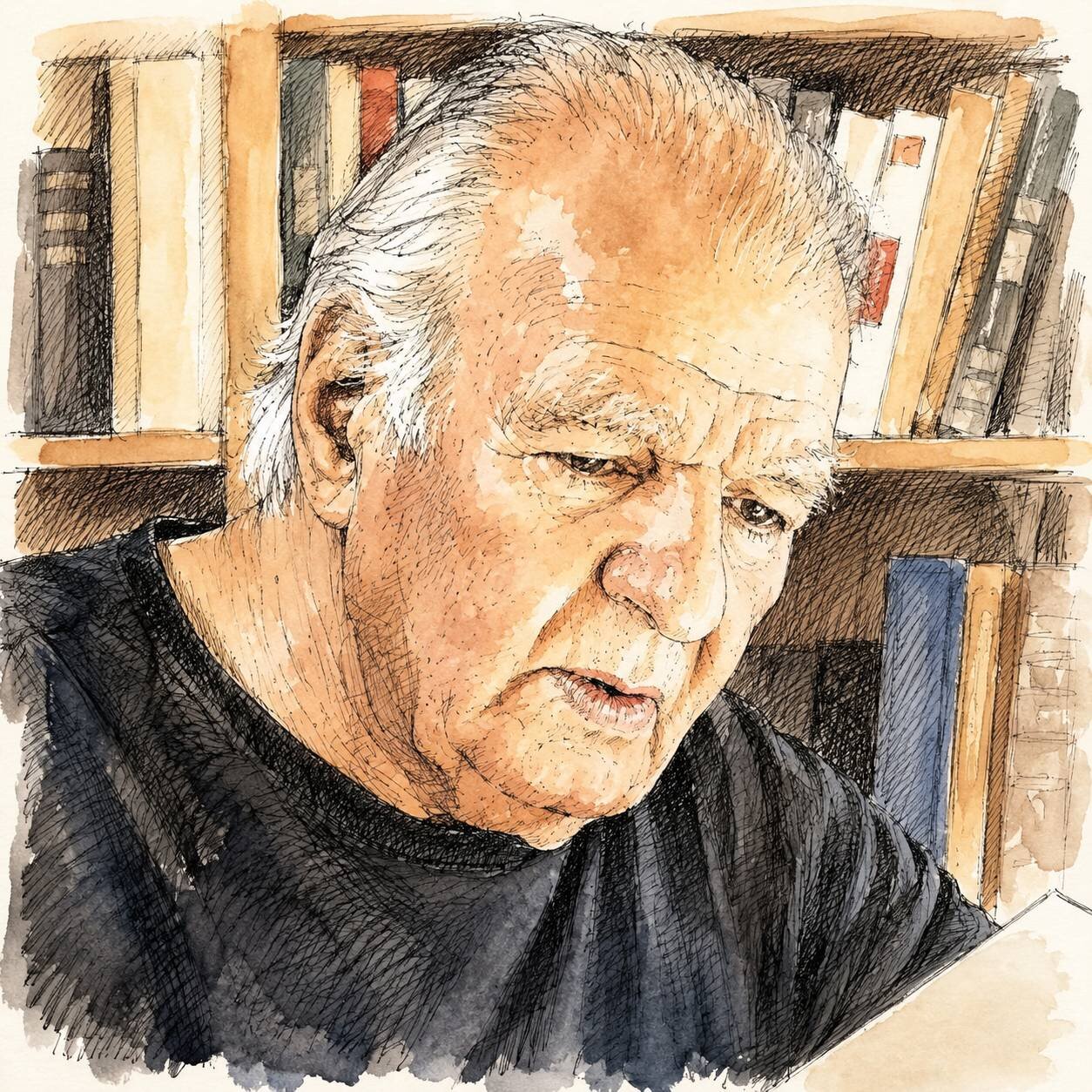
TEHRAN – Ismail Yaghmaei (also known as Ehsan Yaghmaei), one of Iran’s renowned archaeologists and a veteran of the country’s cultural heritage, passed away on Sunday morning, at Pars Hospital in Tehran. He was 84.
Jebraeil Nokandeh, general director of the National Museum of Iran, confirmed the news and offered condolences to Yaghmaei’s family and the archaeological community. “His invaluable services will remain forever etched in the memory of Iran’s history and archaeology,” Nokandeh stated. “Iran’s heritage is deeply indebted to his unwavering efforts—he stood firm in its defense, paid the price, and never surrendered.”
Born in Tehran on September 18, 1941, Yaghmaei was the son of Habib Yaghmaei, a distinguished literary scholar and editor of the renowned Yaghma magazine. He earned his master’s degree in archaeology from the University of Tehran in 1975. His professional career officially began in May 1967 when he was hired as an expert at the General Office of Archaeology under the Ministry of Culture and Arts. He was later retired from the Cultural Heritage Organization on February 11, 1996.
Over nearly six decades, Yaghmaei led numerous excavations across Iran. His most influential work centered on the Bardak Siah palace in Bushehr province, where he put forward a bold hypothesis concerning the genuine origin of the Achaemenids—directly linking his field data with historical reinterpretation in his seminal book on the site. His field presence also extended to major sites including Haft Tappeh in Khuzestan, Susa, Shahr-e Sukhteh, Chogha Gavaneh in Kermanshah, Marvdasht, Kangavar, the Qazvin plain, Gorgan, Kerman, and the northwestern regions of Iran—each excavation shedding new light on the country’s civilizational identity.
A prolific author, Yaghmaei’s bibliography is extensive. His published works include: Katibe-ye Khun (The Blood Inscription), relating to artifacts discovered at Qalaychi Bukan; The Influence of Assyrian Culture on the Mannaeans (focusing on Bukan); Niayesh-e Mehr dar Iran (The Worship of Mithra in Iran); Dej-e Este’mar (Fortress of Colonialism); Safe Points; That Palace of Jamshid: A Study on the Background of Persepolis; Thousand-Year-Old Tresses: Glimpses of an Archaeologist’s Memoirs; Susa: Archaeological Excavations in the 15th City of the Middle Elamite Period; and his book on the Bardak Siah palace.
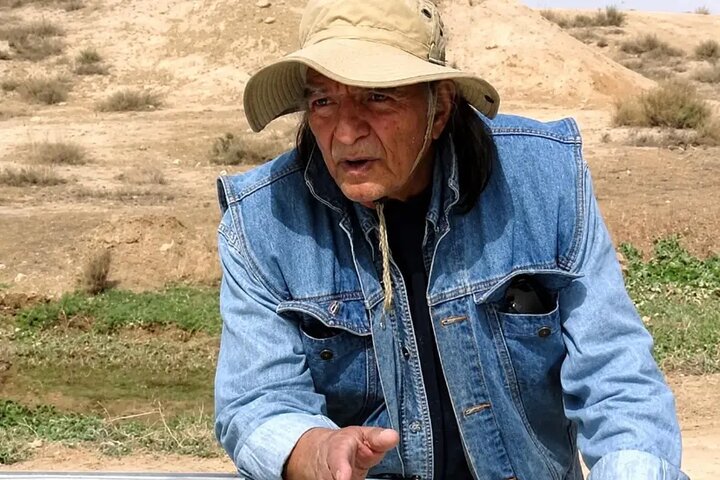
In his poignant work "When I Was a Child", reflecting on his numerous relocations between archaeological mounds, he wrote: “Today, with empty hands, I await my departure. The last migration. Ismail.”
His life and family legacy were also the subject of the acclaimed film Parnian. A heartbreaking, tearful image of him—captured while witnessing the neglect and destruction of historical sites—went viral on social media, cementing his status as an enduring symbol of devotion to Iran's cultural heritage.
Yaghmaei’s scientific achievements and decades of dedicated research have left an indelible mark on the understanding of Iran’s ancient cuktures, enriching the country’s archaeological studies. His extensive corpus of work remains a valuable and inspirational resource for generations of researchers to come.
AM
Leave a Comment