Iran attends Intl. Mediterranean Symposium on Medicinal and Aromatic Plants
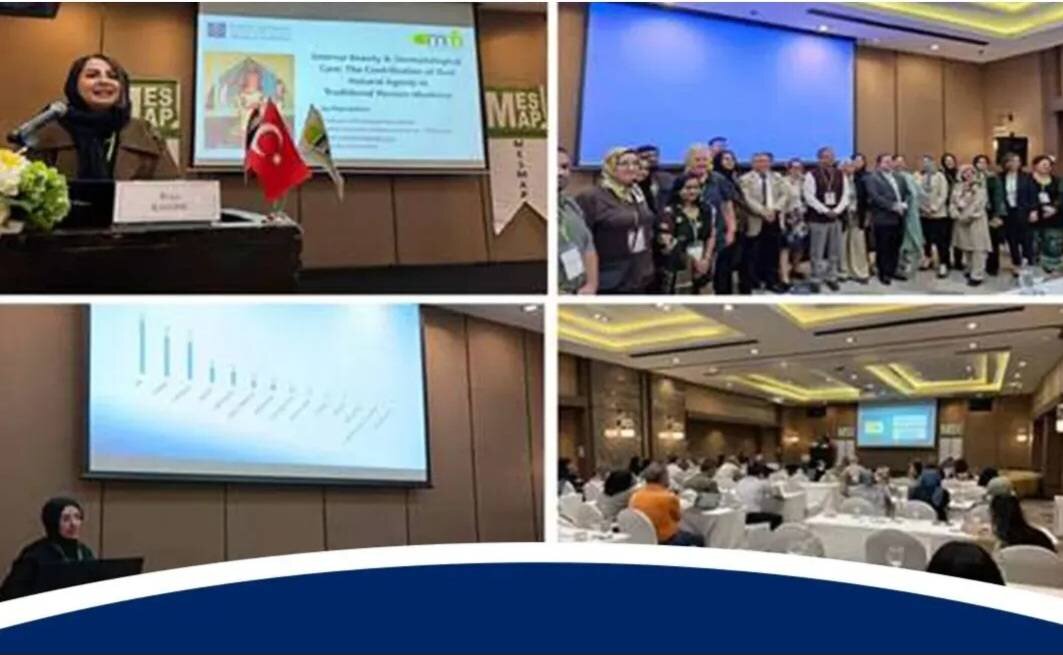
TEHRAN – Iranian professors and students of Persian medicine have participated in the 12th International Mediterranean Symposium on Medicinal and Aromatic Plants (MESMAP-12) in Thailand.
Hosted by the Mediterranean Society (AMAPMED) and the School of Allied Health Sciences of Walailak University (Thailand), the event was held from January 21 to 24, in Bangkok. It brought together over 300 researchers from across the globe, both in person and online, IRIB reported.
“The International Mediterranean Symposium on Medicinal and Aromatic Plants (MESMAP) is an international scientific meeting on Medicinal and Aromatic Plants. Having a respected scientific board and organizing committee members from all over the world, the MESMAP Symposium series started in 2013.
This year, it was held with the theme of “The Spirit behind Herbal Medicine and Beauty.” The event covered various topics, including agricultural practices of Medicinal and Aromatic Plants (MAPs), Non-wood Forest Products (NWFPs), aromatherapy, phytotherapy, phytochemistry, and natural cosmetics.
Roja Rahimi, Tehran University of Medical Sciences School of traditional medicine, Elmira Ziya Motalebipour, Agronomy and Plant Breeding Dept., Medicinal Plants Research Center, Transgenesis Center of Excellence, Islamic Azad University, Isfahan, Akbar Pirestani, Animal Science Dept., Medicinal Plants Research Center, Transgenesis Center of Excellence, Islamic Azad University, Isfahan, were among the lecturers at the event.
Ways to promote herbal medicine using nanotechnology
The headquarters for developing nanotechnology and microtechnology, and the headquarters for developing traditional medicine and medicinal herbs, held a meeting aimed at using nanotechnology for promoting herbal medicine.
Damoun Razmjouei, the secretary of the headquarters for developing traditional medicine and medicinal herbs, and Emad Ahmadvand, the secretary of the headquarters for developing nanotechnology and microtechnology, attended the meeting, IRNA reported.
The two sides discussed ways to use the capacity of nanotechnology in manufacturing standardized products, increasing the efficiency of products, and developing knowledge-based products, especially herbal medicine.
According to a report by the World Health Organization (WHO), Iran ranks third in traditional medicine trials in the International Clinical Trials Registry Platform (ICTRP), highlighting the country’s status as one of the world’s pioneers in traditional and complementary medicine.
China and India rank first and second, respectively, the health ministry’s website reported.
Persian traditional medicine strongly focuses on prioritizing health maintenance and disease prevention over treatment.
It is one of the most ancient forms of traditional medicine. It is grounded in the concept of four senses of humor: phlegm (Balgham), blood (Dam), yellow bile (Safra’), and black bile (Sauda’). The concept of the four senses of humor is based on the teachings of Rhazes and Avicenna in an elaborate medical system.
So far, about 30,000 plant species have been identified in the world, with Iran’s share of about 8,000 species, which is more than the total number of species found in Europe.
MT/MG
Leave a Comment