'WHO verifies Iran has sustained measles, rubella elimination'
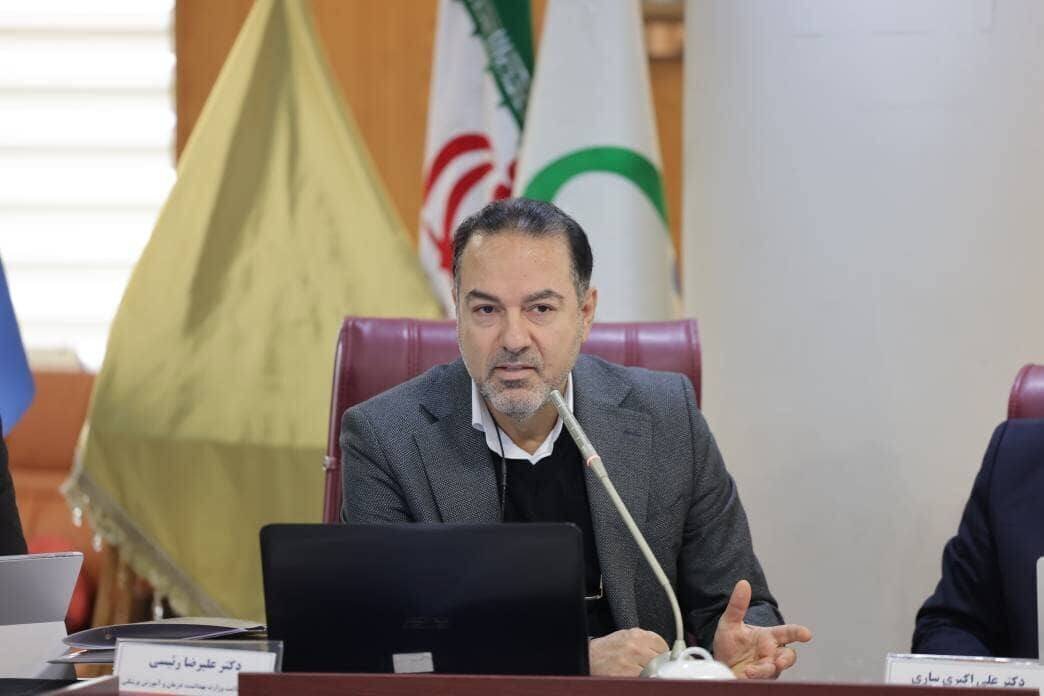
TEHRAN – The World Health Organization (WHO) has verified that Iran has sustained rubella and measles elimination, an official with the health ministry has said.
Iran, Oman, and Bahrain are the only countries in the region that have received the verification, IRNA quoted Alireza Raeisi as saying.
Measles is potentially a deadly disease. Severe complications include pneumonia, diarrhea, blindness, and encephalitis (brain swelling). Measles vaccines (two doses) are administered when children are 12 months and 18 months old.
The measles vaccination program in Iran started in 1984, when 34 percent of the population was vaccinated in the first year, and 90 to 95 percent of the population after 6 years. Also in 2003, 33 million people were vaccinated with a national program to eradicate measles in the country.
The official described it as a great achievement of the health system, saying that many European countries have lost WHO’s measles-free status. Measles is still prevalent in West Asia, particularly in the country’s eastern neighbours, such as Turkey, Raeisi added.
This achievement is the result of coordinated planning, widespread vaccination, epidemiologic surveillance, and comprehensive participation of the country’s healthcare system. It is a turning point in improving public health, which will strengthen Iran’s position in achieving goals at the regional and international levels.
In April 2025, Raeisi said some 98 percent of the target population in the national program for the immunization against measles had been vaccinated.
However, ten to twenty thousand children under the age of one have yet to get vaccinated, and about five percent of the vaccinated individuals develop measles, IRNA quoted Raeisi as saying.
Disrupted vaccination programs in countries like Afghanistan and Pakistan are the main risk factor threatening Iranians’ health, Raeisi stressed.
Over the past Iranian years that ended on March 19, 2024, some 603 cases of measles were identified. Iranian and foreign nationals made up 91 percent and nine percent of the cases, respectively. Chabahar, Ahvaz, Hormozgan, and Zahedan, with 97 patients, 86 patients, 72 patients, and 68 patients, had the highest number of infected cases, the official noted.
Around 33 percent of cases are infants under one year of age, and children aged 1- 4 comprised 30 percent. Sadly, four infants under the age of six lost their lives, mainly due to malnutrition or underlying medical conditions, Raeisi added.
So far, about 82 confirmed cases have been reported since the beginning of the current Iranian year, the official said.
In May 2024, Iran received a total of 160 measles antibody kits with the help of the World Health Organization (WHO) and the European Civil Protection and Humanitarian Aid Operations (ECHO).
The procurement aimed to enhance measles diagnostic capacities in Iran.
The kits are donated to the Iranian National Measles Reference Laboratory to bolster its capacities to diagnose measles, enhancing the country’s ability to respond more effectively to outbreaks, the WHO website reported on May 12, 2024.
MT/MG
Photo: Deputy Health Minister Alireza Raeisi
Leave a Comment