Bangladesh rising: The dawn of a golden era
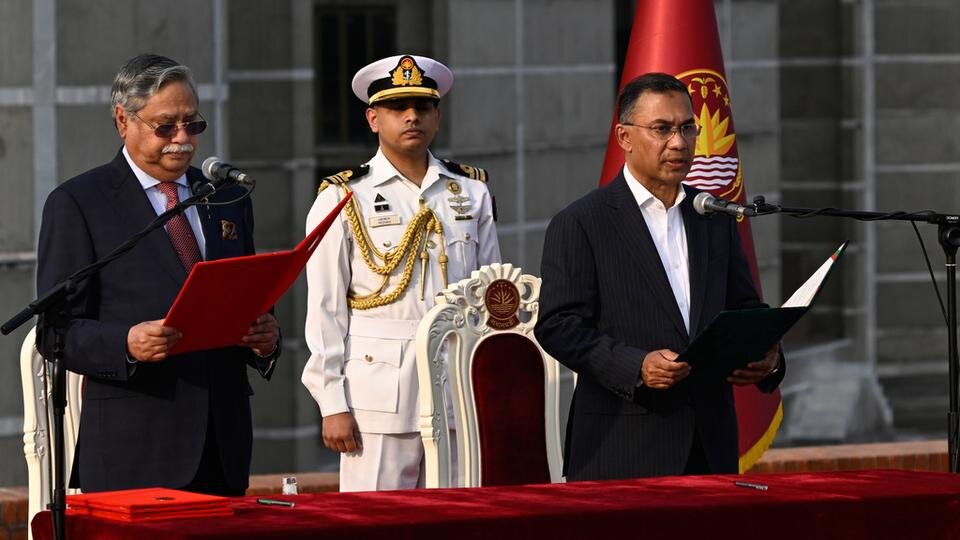
TEHRAN – Bangladesh is entering a pivotal phase in its modern history, nearly two weeks after the 13th parliamentary election. The country, long dominated by a single party, is now navigating a transformative shift in political power that could redefine governance, strengthen democratic accountability, and elevate its role in regional and global affairs following the February 12 vote. The Bangladesh Nationalist Party’s (BNP) decisive victory, together with a more robust parliamentary opposition, signals not just a routine transfer of power, but the potential for structural reforms, renewed civic engagement, and a recalibration of foreign policy at a time when the country’s strategic importance is rising.
With nearly 60 percent voter turnout and participation from more than fifty political parties, the election has been widely hailed as a milestone in Bangladesh’s democratic journey.
International observers, including those from the Commonwealth and the European Union, praised the peaceful conduct of the polls and the high level of civic engagement, underscoring the country’s maturing democratic institutions.
In a historic outcome, the BNP secured a commanding majority, winning over 210 of the 300 parliamentary seats. This landslide victory has brought Tarique Rahman to power as the new Prime Minister, marking the party’s return to leadership after more than a decade. For many, especially the youth, this transition signals a new era of opportunity, reform, and national renewal.
Nahidul Islam Raju, a Dhaka-based activist, expressed optimism about Bangladesh’s diplomatic prospects. “When it comes to international standing, the BNP has been out of power for a long time — but historically, BNP has maintained strong international relations,” he said.
Rahman, who assumed party leadership following the passing of his mother, former Prime Minister Khaleda Zia, in December 2025, now faces the challenge of navigating a complex political landscape. While his past has been marked by controversy, many analysts and citizens alike see his leadership as an opportunity to unify the country, strengthen democratic institutions, and steer Bangladesh toward a more prosperous and inclusive future.
A balanced parliament
Jamaat-e-Islami, which won nearly 70 seats, has emerged as the principal opposition party. This development is widely seen as a positive step toward a more balanced and functional parliamentary democracy.
“Bangladesh Jamaat-e-Islami, having won the second-highest number of seats, is expected to play a prominent role in the opposition. A functioning parliament with both a governing party and a strong opposition may help strengthen democratic accountability in the coming years,” said Bangladeshi journalist Md Shariful Islam.
The election followed the 2024 student-led uprising that ended Sheikh Hasina’s 15-year rule. That movement, driven by demands for transparency, youth empowerment, and institutional reform, has reshaped the political landscape and energized a new generation of voters, who are now positioned to play a decisive role in shaping the country’s future.
Foreign policy reset
As the new administration takes shape, Bangladesh’s foreign policy is undergoing a strategic realignment. Regional neighbors and global powers are actively seeking to deepen ties with Dhaka.
Indian Prime Minister Narendra Modi was the first world leader to congratulate Rahman. The two leaders held a phone conversation shortly after the results were announced, with New Delhi extending a formal invitation for Rahman to visit India. The gesture signals India’s willingness to maintain strong bilateral cooperation, even as underlying tensions persist, particularly regarding Sheikh Hasina’s continued stay in India.
During the interim period following Hasina’s departure in August 2024, Nobel Laureate Professor Muhammad Yunus led a caretaker administration. Under his stewardship, Bangladesh appeared to strengthen ties with China, marked by high-level visits and new agreements in infrastructure, defense, and investment. Yunus’s participation in the Boao Forum for Asia in March 2025 underscored Dhaka’s growing engagement with Beijing. “China is an inspiration for the whole world,” Yunus told China Media Group in March last year, expressing hope for a new chapter in bilateral relations.
The BNP-led government has signaled its intention to continue building on this momentum. With China expressing readiness to deepen cooperation, both countries are expected to explore new opportunities in trade, technology, and regional connectivity, potentially positioning Bangladesh as a hub for innovation and regional development.
Simultaneously, Bangladesh has reopened diplomatic and trade channels with Pakistan. The two countries have initiated discussions on expanding bilateral trade and enhancing military cooperation. This renewed engagement reflects Dhaka’s broader strategy of regional diversification and pragmatic diplomacy — one that seeks to balance relationships across South Asia while prioritizing national interests.
Global economic ties
The United States has also moved to reinforce its economic and strategic ties with Bangladesh. Just days before the election, Washington signed a reciprocal trade agreement with the interim government, offering modest tariff reductions and duty-free access for select textile shipments. The agreement, now under review by the BNP administration, expands U.S. market access across sectors, including soy products, dairy, beef, poultry, tree nuts, fruit, chemicals, medical devices, machinery, ICT equipment, and motor vehicles.
While Bangladesh remains committed to a non-aligned foreign policy, its growing importance in regional geopolitics has made it a key player in balancing influence between major powers.
For Canada, the evolving trade landscape presents both challenges and opportunities. Canadian exports to Bangladesh — primarily wheat, lentils, peas, soybeans, and potash — account for over 90 percent of bilateral trade. As the U.S. seeks greater market access, Ottawa may look to diversify its own engagement with Dhaka to maintain competitiveness and explore new sectors of cooperation.
Across political, diplomatic, and economic fronts, Bangladesh is charting a bold new course. The peaceful transition of power, the emergence of a vibrant opposition, and the renewed interest from global partners all point to a country ready to embrace its potential.
With a youthful population, a more pluralistic parliament, and a leadership committed to reform and global engagement, Bangladesh is poised to become a regional model of democratic resilience and inclusive development.
The world is watching — and Bangladesh is rising.
Leave a Comment