‘High vaccination coverage, one of most important accomplishments of Iran’s health system’
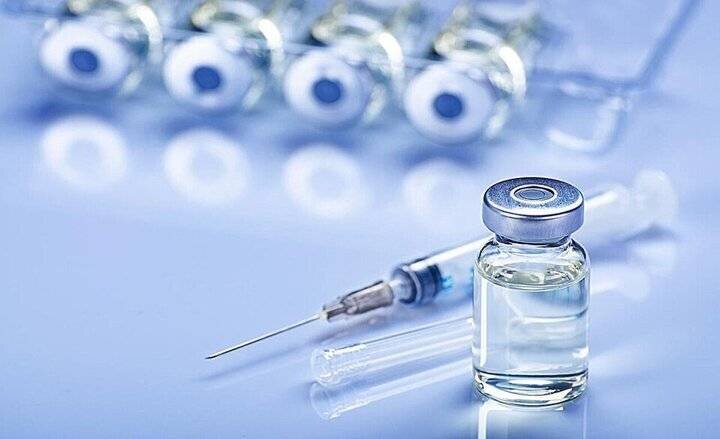
TEHRAN – High vaccination coverage in Iran is considered one of the most important accomplishments of the country’s health system, which has led to the control and elimination of many infectious diseases and to the establishment of collective immunity, an official with the health ministry has said.
However, regional developments and population shifts underscore the need to maintain immunization programs more than ever, Mehr news agency quoted Alireza Raeisi as saying.
The official made the remarks on the occasion of the World Immunization Program, being held from April 24 to 30 under the theme ‘For every generation, vaccines work’.
Elaborating on the country’s health system’s achievements, the official said during the 40-day US-Israeli war, a total of 164,000 children received their needed vaccinations.
Despite all restrictions and difficult situations of the imposed war, the health ministry did not fail to provide public health services, which highlights the dedication, tireless efforts, and unwavering commitment of health staff.
The national vaccination program in Iran includes 13 vaccines, and the country is following developed countries with an average of 17 vaccines in their national vaccination programs, Mostafa Qanei, the secretary general of the Biotechnology Development Headquarters, said in January.
Knowledge-based companies are operating to produce the four vaccines that are not included in the national vaccination program, he added.
Uterus, influenza, meningococcus and pneumococcal conjugate are the four vaccines that have not been produced domestically.
In May 2025, the health ministry started distributing domestically made pentavalent vaccines across the country.
The pentavalent vaccine was integrated into the national vaccination programme in November 2014. According to the national vaccination program, each child must receive the pentavalent vaccine 3 times at intervals of 2 months. The first is usually at the end of the second month of life.
The vaccination program to combat pneumococcal and rotavirus kicked off in the country in February 2024 after being missed from the immunization schedule for a decade.
Rotavirus and pneumococcal vaccines were added to the national immunization program in 2024.
The regional verification commission for measles and rubella (RVC MR), affiliated with the World Health Organization (WHO), verified the elimination of the two diseases in the country in 2023.
The measles vaccination program in Iran started in 1984 when 34 percent of the population was vaccinated in the first year and 90 to 95 percent of the population after 6 years. Also in 2003, 33 million people were vaccinated with a national program to eradicate measles in the country.
World Immunization Week
World Immunization Week, celebrated in the last week of April, aims to promote the life-saving power of immunization to protect people of all ages against vaccine-preventable diseases.
Vaccines have long been one of the most powerful tools in public health. Over the last 50 years, vaccines have saved more than 150 million lives not by accident, but because ordinary people made the decision to protect themselves, their children and one another. That’s 6 lives every minute, every day, for five decades.
Health workers rolling up sleeves, parents bringing their children to health clinics, communities showing up, and generations deciding that preventing infectious diseases, such as measles, diphtheria, pertussis and polio, is worth it.
Those choices to vaccinate have contributed to a 40 percent improvement in infant survival during that time and protected tens of millions of children from lifelong disabilities. More children now live to see their first birthday – and grow up, fall in love, have families, and grow old than at any other point in human history.
This year’s World Immunization Week theme, “For every generation, vaccines work”, aims to promote how vaccines have safely protected people, families, and communities for generations – and continue to safeguard our future.
To raise awareness that vaccines have protected people for generations, World Immunization Week 2026 aims to:
Demonstrate how immunization has safely and effectively protected generations from deadly diseases, thanks to the decisions individuals and families have made to protect themselves and others.
Equip health workers with the skills and tools to communicate clearly and compassionately about vaccines, helping families who are hesitant or have questions feel informed, heard, and confident in their immunization decisions.
Strengthen public understanding of the science behind vaccine safety and effectiveness enabling individuals, families, and communities to make informed immunization decisions.
Reinforce trust by highlighting transparency, accountability, and ongoing innovation in immunization, and emphasize the shared responsibility to protect future generations through continued investment, research, and equitable access to vaccines.
Leave a Comment