Kerman province begins process to register natural heritage sites in its Golbaf region
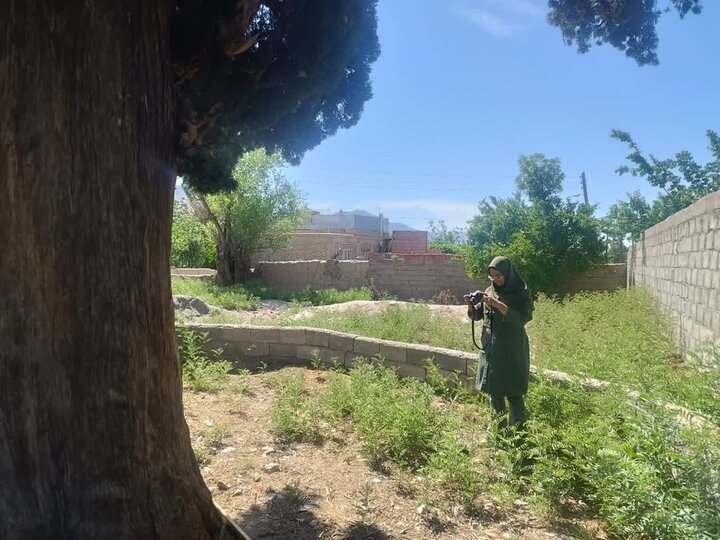
TEHRAN - Kerman province has launched the process of documenting and preparing registration dossiers for several natural landmarks in its Golbaf district, a local official said on Saturday, in a move aimed at securing national protection status and boosting sustainable tourism.
Farnaz Farahimoqaddam, the deputy for cultural heritage at the provincial department of the Ministry of Cultural Heritage, Tourism and Handicrafts, said experts had begun fieldwork and documentation efforts in Golbaf, a historically and environmentally significant area located southeast of the city of Kerman.
“The process of compiling dossiers and documenting a number of natural sites in Golbaf has been initiated for their inclusion in the National List of Natural Heritage,” she told reporters.
Farhimoqaddam said the initial phase focuses on several prominent natural features, including an ancient cypress tree, a historic plane tree known locally as “Chenar Khaneh Kohneh,” and a cluster of plane trees along Valiasr Street in Golbaf. The dossiers are being prepared for submission to Iran’s national registration council, which evaluates and approves entries into the country’s official heritage lists.
She stressed that the registration of natural and historical sites goes beyond administrative procedures, describing it as a cornerstone for long-term conservation and structured tourism development.
“Registration in the national list establishes a legal framework to prevent destruction and unauthorized alterations,” she said. “It also creates the conditions for proper conservation and meaningful introduction of these valuable assets.”
Farhimqaddam said the ongoing documentation process includes detailed surveys, photographic records, geographical mapping and the collection of historical and environmental data required for national registration.
The official added that the process of registration also contributes to raising public awareness about the importance of preserving natural heritage, encouraging community participation in protection efforts.
“The presence of a site on the national list not only supports conservation but also helps introduce these treasures to a wider audience,” she said.
The Kerman region is something of a cultural melting pot, blending various regional cultures over time. It is also home to rich tourist spots and historical sites, including bazaars, mosques, caravanserais and ruins of ancient urban areas. It is bounded by the provinces of Fars in the west, Yazd in the north, South Khorasan in the northeast, Sistan-Baluchestan in the east, and Hormozgan in the south. It includes the southern part of the central Iranian desert, the Dasht-e Lut.
AM
Leave a Comment