World Humanitarian Day: let’s make protecting each other our greatest achievement
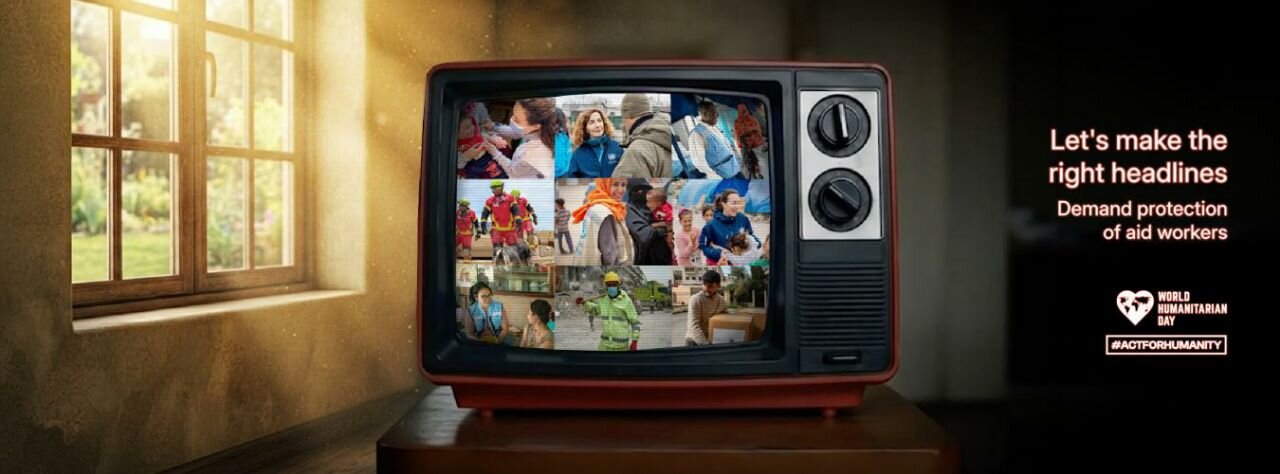
TEHRAN - On 19 August, the world marks World Humanitarian Day, a time to honour humanitarian workers and to stand with people affected by crises around the world.
When lives are at risk, the people who come to help should never be targets. Yet humanitarian workers continue to be killed, injured, abducted, detained and obstructed while carrying out their work. Most are national staff serving their own communities.
Under international humanitarian law, civilians — including humanitarian and medical personnel — must be respected and protected. Parties to armed conflict must allow and facilitate humanitarian relief for people in need, in accordance with international humanitarian law.
Attacks on humanitarian personnel have consequences far beyond the individuals directly affected. They interrupt food deliveries, health care, protection and other life-saving services, leaving communities with even fewer ways to survive and recover.
Every life is more than a number
Every humanitarian worker killed leaves behind family members, friends, colleagues and communities whose lives are forever changed. World Humanitarian Day honours their lives, service and legacy, while renewing the call to protect those who continue this work.
Local humanitarian workers face the greatest risks
Most humanitarian personnel affected by violence are national staff working in the places where they live. Protection efforts must reflect the risks they face and ensure that local and national responders have the resources, training and support they need.
Each year, World Humanitarian Day brings together partners from across the humanitarian system to advocate for the survival, well-being and dignity of people affected by crises, and for the safety and security of humanitarian workers. World Humanitarian Day is a campaign by the United Nations Office for the Coordination of Humanitarian Affairs (OCHA).
US-Israeli attacks on Iranian civilians
Over the past 60 years, civilians have been the main victims of the wars; hence their protection in armed conflicts is regarded a cornerstone of international humanitarian law.
However, the United States and Israel forces have been launching violent attacks on Iran targeting residential areas, and bombarding health, educational, and sport infrastructures.
Their violation of international humanitarian law has been confirmed and condemned by many individuals, media, and international organizations worldwide.
“The principle of distinction between civilians and combatants is an important principle of the international humanitarian law; it only justifies targeting armed forces.
Civilians have to be treated with respect. Even political officials who are not directly involved in wars are not legitimate targets. It highlights that injured military forces should not be targeted, let alone rescuers, children, and health staff, and in case the invasion of military targets would bring about too much damage to civilians, it is better not to be carried out,” Behzad Saberi, an international law expert, said in an interview with IRNA.
The protection of civilians extends to those who try to help them, including medical staff, humanitarian and relief organizations that are providing essential goods such as food, clothing, medical tools, and parties to a conflict should not violate the law.
Leave a Comment