Araghchi says he will talk to Americans again once they are ready for a ‘fair deal’
Statement comes amid growing public criticism of government’s staunch loyalty to old nuclear doctrine
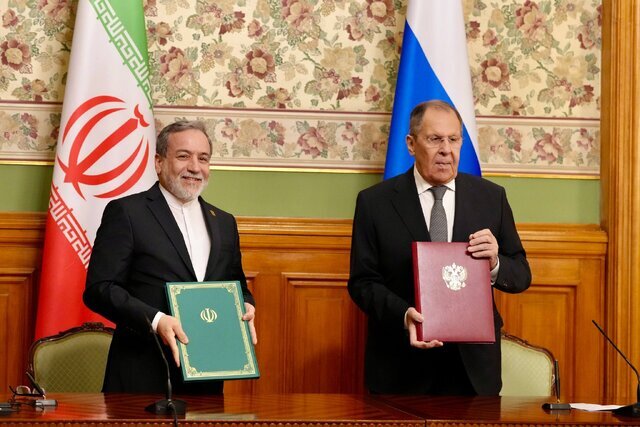
TEHRAN – Iranian Foreign Minister Abbas Araghchi says Tehran will sit down at the negotiating table with Washington only when U.S. officials can accept a fair deal.
“The Americans are not ready for a fair agreement; we should wait until they reach that point, then we can hold talks,” said the top Iranian diplomat in an interview with Russia Today.
Araghchi led Iran’s negotiating team during the five rounds of indirect nuclear talks with Washington that took place in April and June. The discussions aimed to devise an agreement that would limit Iran’s nuclear program in exchange for the termination of sanctions, following U.S. President Donald Trump's withdrawal from an international nuclear accord with the same aim in 2018 and the succeeding Biden administration's failure to return to the deal. Tehran and Washington would have taken part in a sixth round of talks on June 15 if the U.S. and Israel had not launched a war against the country on June 13. The 12-day aggression targeted Iran’s nuclear, civilian, and military infrastructure, killing approximately 1,100 Iranians. It was illegal under the UN charter and the IAEA Statute.
In his interview, Araghchi said the United States must come to understand that holding a dialogue is different from dictating one's demands. “We are prepared for a fair and balanced agreement reached through negotiations,” he said. “If they come to us with a fair and balanced idea for a negotiated solution based on mutual interests, then we will study it.”
Washington has put forward non-starter demands for a new agreement with Iran, which include fully dismantling its nuclear facilities, imposing a cap on its missile program, and severing ties with regional Resistance groups. Iran has maintained for years that it will not even discuss any non-nuclear issues in potential talks, and that it has the right to enrich uranium for peaceful purposes. To date, no evidence has shown that Iran has ever pursued nuclear weapons. Prior to being attacked, its facilities underwent the world's most rigorous inspection regime.
Commenting on the U.S.-Israeli strikes, Araghchi said it is certainly true that the facilities sustained extensive damage. “The reality is that our [nuclear] installations have been seriously damaged. But there is another reality, and that is, our technology is still there, and technology cannot be bombarde.”
Meanwhile, calls have been growing inside Iran to change the country’s nuclear doctrine. Independent critics have been particularly forceful since the June war, arguing that diplomacy with the West will lead nowhere and that Iran has already paid the price for having nuclear weapons without actually possessing them. The Leader of the Islamic Revolution, Ayatollah Seyyed Ali Khamenei, banned the development of nuclear weapons through a fatwa (religious decree) issued over two decades ago, and he has yet to change his mind.
These same analysts have also criticized the military for limiting its attacks to the occupied territories and a U.S. base during the war, arguing that Iran should have restricted the flow of energy in the Hormuz Strait and the Red Sea to produce tangible consequences for Western states. Once considered extremist in Iran, these views have found growing support among the Iranian public after years of failed diplomacy and the recent military aggression.
Officials, however, state they will continue adhering to the established doctrine, and instead pour more efforts into the effective mitigation of sanctions and the bolstering of conventional defensive tools. Iran's current agenda appears to focus on forging deeper ties with China and Russia, expanding cooperation with neighboring countries, and pursuing fuller integration into blocs like BRICS, the Shanghai Cooperation Organization (SCO), and the Economic Cooperation Organization (ECO).
Leave a Comment