Lebanon ceasefire central to Iran-US agreement: Baqaei
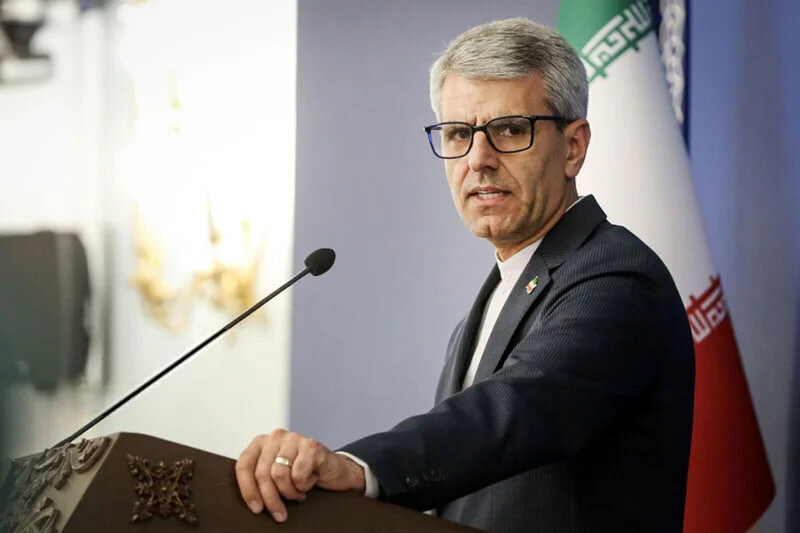
TEHRAN – Iranian Foreign Ministry spokesman Esmaeil Baqaei said Monday that the recently finalized memorandum of understanding (MoU) between Iran and the United States establishes a framework for ending military confrontation across all fronts, including Lebanon, while emphasizing that Tehran will closely monitor implementation of the agreement and continue pursuing accountability for wartime actions against Iran.
Speaking at his weekly press conference, Baqaei described the agreement as a major diplomatic breakthrough achieved after more than three months of conflict. He said the MoU provides for an immediate and permanent halt to military operations, includes provisions related to Lebanon’s sovereignty and territorial integrity, and outlines a process for addressing broader political, economic, and security issues.
According to Baqaei, ending the war in Lebanon is an inseparable component of the understanding reached between Tehran and Washington. He noted that Lebanon is explicitly referenced multiple times in the text, reflecting commitments to end hostilities and uphold the country’s sovereignty.
The spokesman said Israel attempted to undermine efforts to reach the agreement through continued military actions, including strikes on Beirut’s southern suburbs during the final stages of negotiations. However, he argued that the attacks failed to derail the diplomatic process and instead reinforced coordination among Iran and its regional allies.
“History will show that Iran and its partners did not allow these actions to distract them from securing the interests of Iran and Lebanon,” Baqaei said, adding that the developments strengthened cohesion within the Resistance Front.
Baqaei stressed that while the agreement aims to reduce tensions and prevent further conflict, it does not mean Iran will overlook 'crimes committed during the war.' He said Tehran would continue documenting violations, pursuing legal and diplomatic avenues for accountability, and seeking justice for Iranian military personnel and civilians killed during the conflict.
He also criticized attacks on Iran’s nuclear facilities and accused international organizations, including the International Atomic Energy Agency (IAEA), of failing to respond adequately to those incidents.
Providing additional details about the agreement, Baqaei said arrangements are being finalized for the signing ceremony, expected to take place in Switzerland following consultations with regional partners. He noted that Tehran plans to publish both the text of the memorandum and an explanatory factsheet upon signing.
The spokesman said the agreement includes provisions related to the release of Iranian assets abroad, compensation for wartime damages, the removal of obstacles to Iran’s oil and petrochemical exports, and the launch of negotiations on sanctions relief and nuclear-related issues within a defined timeframe after the signing.
Baqaei further stated that Iran and Oman, as littoral states of the Strait of Hormuz, would continue coordinating measures to ensure secure maritime transit in accordance with international law. He added that the United States bears responsibility for ensuring compliance with the agreement, including commitments related to Lebanon, and warned that any failure by other parties to uphold their obligations would trigger a response from Tehran.
Despite welcoming the agreement as a step toward ending hostilities, Baqaei emphasized that deep mistrust remains. He said the memorandum should be viewed as a mechanism to reduce tensions and end a costly conflict rather than a sign of restored confidence between the two countries.
“The Iranian people have demonstrated their determination to defend their sovereignty, independence, and national interests,” he said. “The future of the process will depend on the implementation of commitments by all sides.”
Leave a Comment