A closer look at Sa’dabad Palace complex after nearby US-Israeli bunker-buster strikes
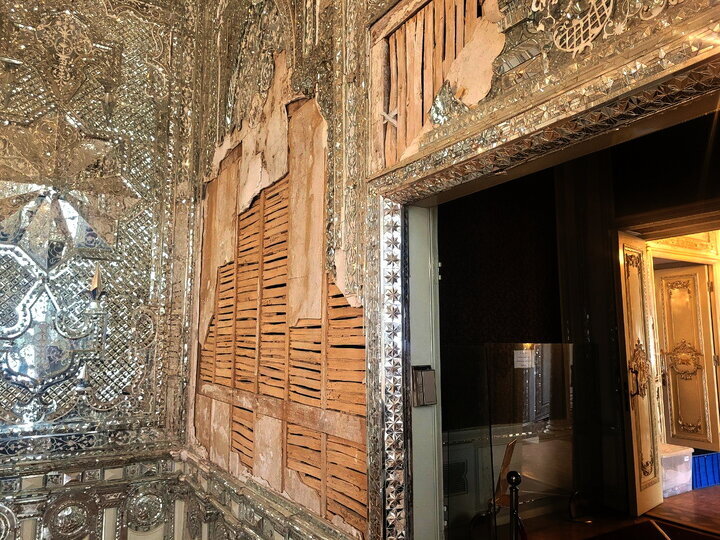
TEHRAN – Tehran’s Sa’adabad Palace complex sustained widespread structural and decorative damage following two rounds of airstrikes using bunker-buster bombs, though the historic site remained standing and has since entered an emergency stabilization and restoration phase, officials said.
About 50 days after the March 17 attack on the Sa’adabad grounds and buffer zone, the complex’s director and museum officials held a press briefing at the Ashraf Palace, now a museum of decorative arts, to outline the extent of the damage and ongoing recovery efforts.
Officials said the impact zone of the explosions extended up to a radius of 1,200 meters, affecting nearly all parts of the expansive cultural site, which comprises around 100 buildings. They estimated that approximately 17,000 square meters of glass across the complex had been shattered, while around 90% of the sloped roofs sustained damage from the blast waves.
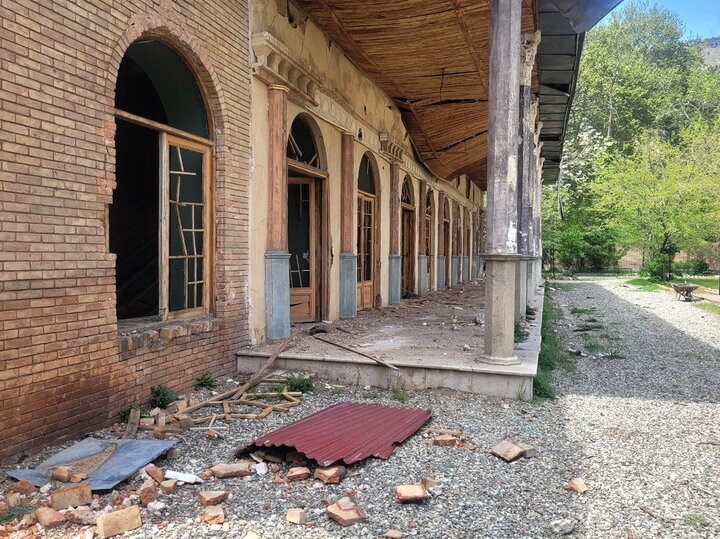
The Sa’adabad complex, located in northern Tehran and dating back to the Qajar and Pahlavi eras, includes multiple palace-museums of architectural and historical significance. Authorities reported that 15 palace museums were damaged in the initial March 17 strike, with the Green Palace, the Vali Mansion, and the Omidvar Brothers Museum suffering the most severe impacts. These structures are currently undergoing debris removal.
A second strike, days before the current ceasefire, further intensified damage, particularly to the Vali Mansion in the northern section of the complex, officials said.
Fathollah Niazi, a technical advisor and restoration specialist at Sa’adabad, said several bunker-buster bombs landed near the Vali Mansion, with identifiable impact points. He added that the behavior of the historic architecture under blast conditions varied depending on proximity and structural characteristics.
“The closest buildings to the explosions, including the Vali Mansion, the Omidvar Brothers Museum, and the Green Palace, sustained the most severe damage,” Niazi said.
“The Green Palace is one of the most valuable examples of contemporary Iranian architecture, comparable in design to the Marble Palace and built about a century ago.”
He said the shockwaves generated by the explosions had both vertical and horizontal seismic effects, damaging structural elements and decorative surfaces across multiple buildings.
Niazi noted that while some engineers have suggested structural fractures may have occurred, detailed assessments are still underway. “We are currently in the field phase rather than the study phase,” he said. “We do not yet fully understand how these seismic waves and explosions have affected the behavior of these structures.”
He added that documenting such impacts could contribute to developing protocols for understanding how historic Iranian architecture responds to earthquakes, explosions, and other crises, with potential applications in future conservation work.
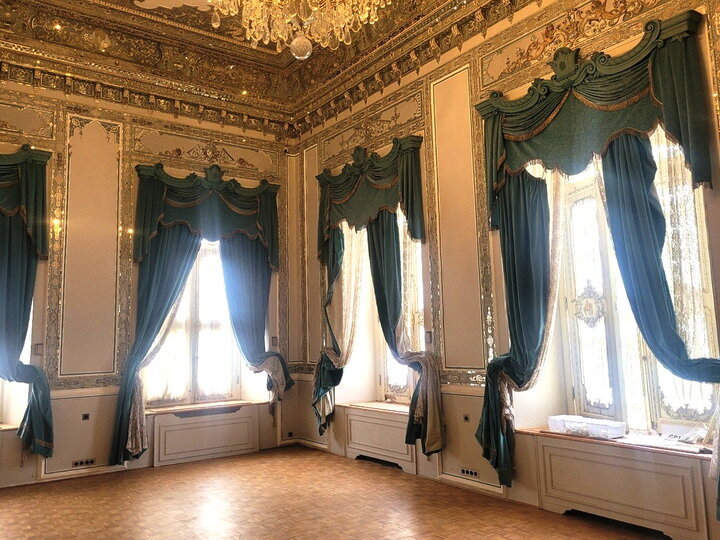
The most widespread damage involved shattered glass, warped window frames, and displacement of structural elements. In the Green Palace, which features intricate carved and artistic windows, deformation was reported in several sections. Stone facades were also struck by shrapnel, though damage to the rare serpentine stone used in the palace was described as limited and localized.
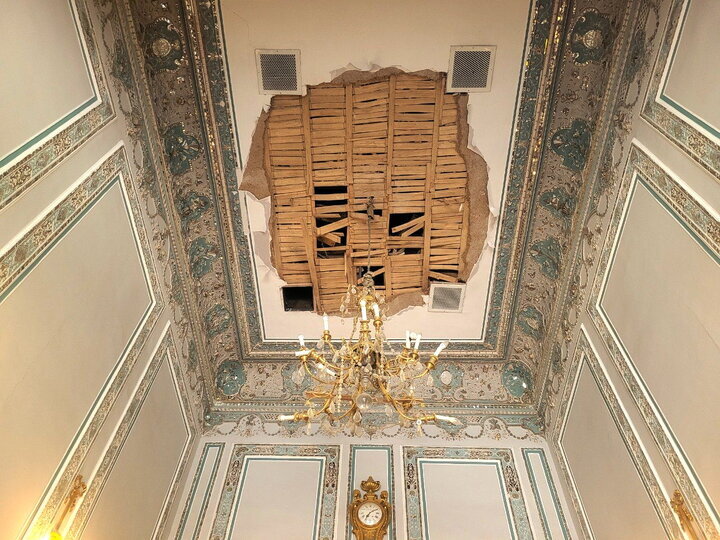
Interior decorative elements suffered more significant losses. Niazi said parts of the Green Palace’s mirrorwork, considered among the most refined examples in Iran, collapsed, along with sections of ceiling plasterwork. In contrast, inlaid woodwork remained largely intact, though valuable brocade curtains were damaged.
He attributed the relative resilience of some structures to traditional construction techniques. “The dual-layered, elastic wall systems incorporating wood helped prevent more extensive collapse,” he said.
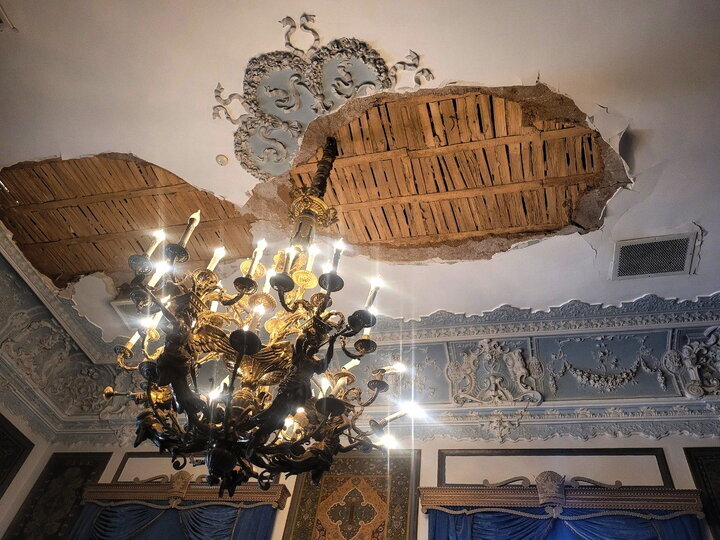
The Vali Mansion was hit twice, with one of the most serious incidents occurring after explosions in the nearby Golabdarreh area. The blasts caused wooden trusses to fracture and partially collapse. The Omidvar Brothers Museum, built with lighter architectural elements, sustained what officials described as significant structural failure.
Restoration efforts have begun with a multi-phase approach. Niazi said the first stage involved emergency response measures following the blasts, particularly in response to heavy rainfall that occurred shortly afterward.
“Due to vertical shockwaves, many roofs had separated from their wooden supports, creating a risk of water infiltration and further damage to decorative elements,” he said. “We carried out immediate stabilization to protect the structures and bring them to a safe condition.”
The second phase, currently underway, includes debris removal and emergency conservation. Fallen architectural elements are being collected, catalogued, and stored systematically. Decorative fragments are being labeled according to their original location, including specific rooms and corridors, to facilitate future restoration.
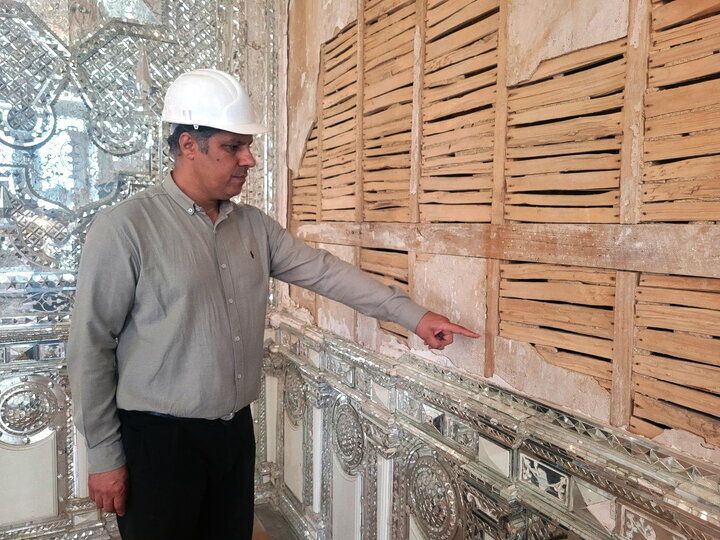
Even materials deemed unusable, such as mud plaster and straw-based substrates, are being preserved for potential use in war documentation or laboratory analysis, Niazi said.
The third phase will involve structural reinforcement and conservation of surviving decorative elements, followed by full restoration once conditions allow.
Niazi said the timing of debris removal was critical to prevent further losses. “If we delay, additional seismic activity or instability could cause remaining decorations to collapse and mix with existing debris, complicating restoration,” he said.
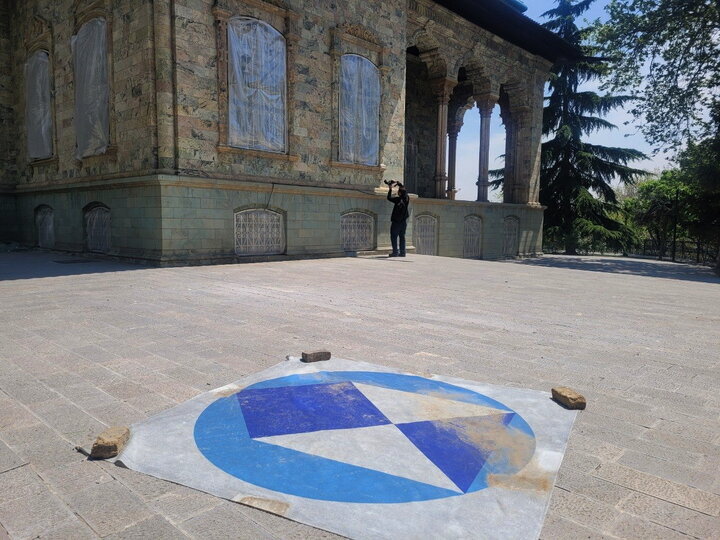
He added that scientific damage assessment is also underway, including high-resolution photographic mapping of walls and surfaces. The images are being processed using specialized software to identify and document damage patterns, which will inform treatment strategies.
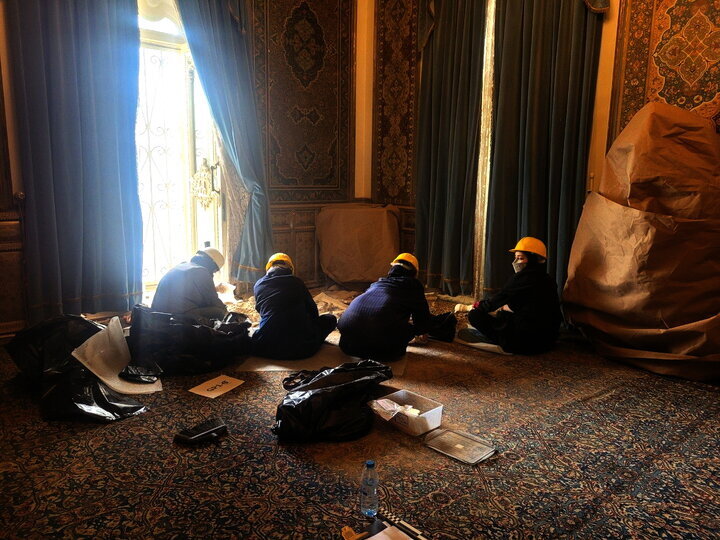
Responding to questions about why some items had not been removed prior to the strikes, Niazi said that smaller, sensitive objects had been secured in storage ahead of the conflict, in preparation for reopening museums during the Nowruz holiday.
“These items were not damaged,” he said. “However, larger and heavier furnishings, such as cabinets and desks, had been packaged and left in place inside the museums. In some cases, debris fell onto them, but they were not significantly harmed.”
He cited an example from Reza Shah’s office, where debris landed on a desk without causing major damage.
Officials emphasized that while the Sa’adabad complex suffered extensive damage, its core structures remain intact, and restoration efforts are expected to be long-term and research-driven.
AM
Leave a Comment