Illegal wells near Persepolis sealed amid subsidence fears
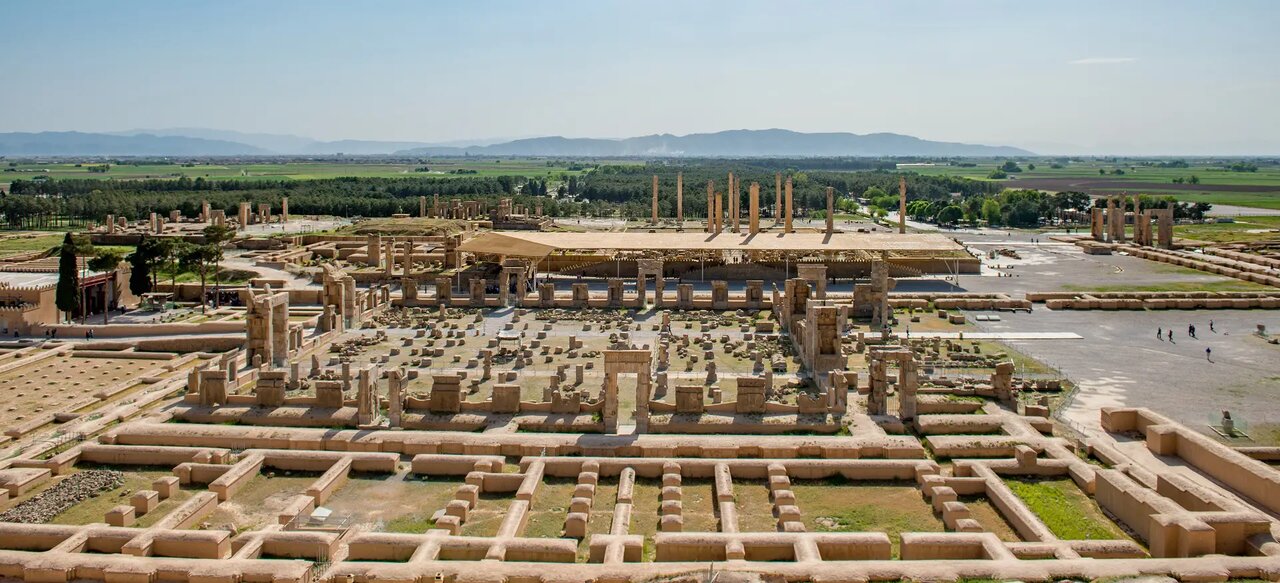
TEHRAN - All illegal water wells within protected zones surrounding the ancient site of Persepolis have recently been sealed, a senior regional water official said on Tuesday, warning that land subsidence poses a growing threat to the UNESCO-listed monument.
Siavash Badri, head of the Fars Regional Water Company, said the measures were taken to curb unauthorized groundwater extraction in the Marvdasht plain, where the ruins of Persepolis are located. The site, known in Persian as Takht-e Jamshid, dates back more than 2,500 years and is one of Iran’s most important archaeological landmarks.
“Today, there are no illegal wells remaining within the first, second, and third protection zones of Persepolis. All have been sealed to prevent further land subsidence in the area,” Badri said at a signing ceremony for a cooperation agreement with the provincial cultural heritage authority.
Iran has faced mounting water scarcity in recent decades, exacerbated by climate change, population growth and what experts describe as unsustainable groundwater use. Badri said groundwater levels in Fars province are declining by an average of 50 cm annually, with drops reaching up to 3 meters in some areas.
He linked the trend to the expansion of mechanized well drilling and decades of over-extraction, warning that the resulting land subsidence could damage historical sites and surrounding infrastructure.
Persepolis, founded by Darius the Great around 518 BCE as the ceremonial capital of the Achaemenid Empire, sits on the fertile Marvdasht plain. The complex of palaces and monumental staircases, partly destroyed by Alexander the Great in 330 BCE, remains a symbol of ancient Persian civilization and attracts visitors from around the world.
Badri said preventing illegal water withdrawals was a “vital measure” to protect both the environment and cultural heritage in the region.
He also highlighted Iran’s long history of water engineering, including ancient dam construction and qanat systems, underground channels used to transport water. “Iranians have been pioneers in water management for millennia, and today the country ranks among leading nations in dam engineering without reliance on foreign expertise,” he said.
The newly signed agreement with the cultural heritage department aims to document this historical knowledge and support the creation of a water museum in Fars province, he added.
Responding to concerns raised by heritage officials, Badri said his agency was prepared to ensure adequate water supply for maintaining green spaces at historical sites. He noted that additional water allocations had been approved for the gardens surrounding the tomb of the renowned Persian poet Sa’di in Shiraz.
AM
Leave a Comment