Global oil stocks approaching 8-year low, depletion speed a concern: Goldman Sachs
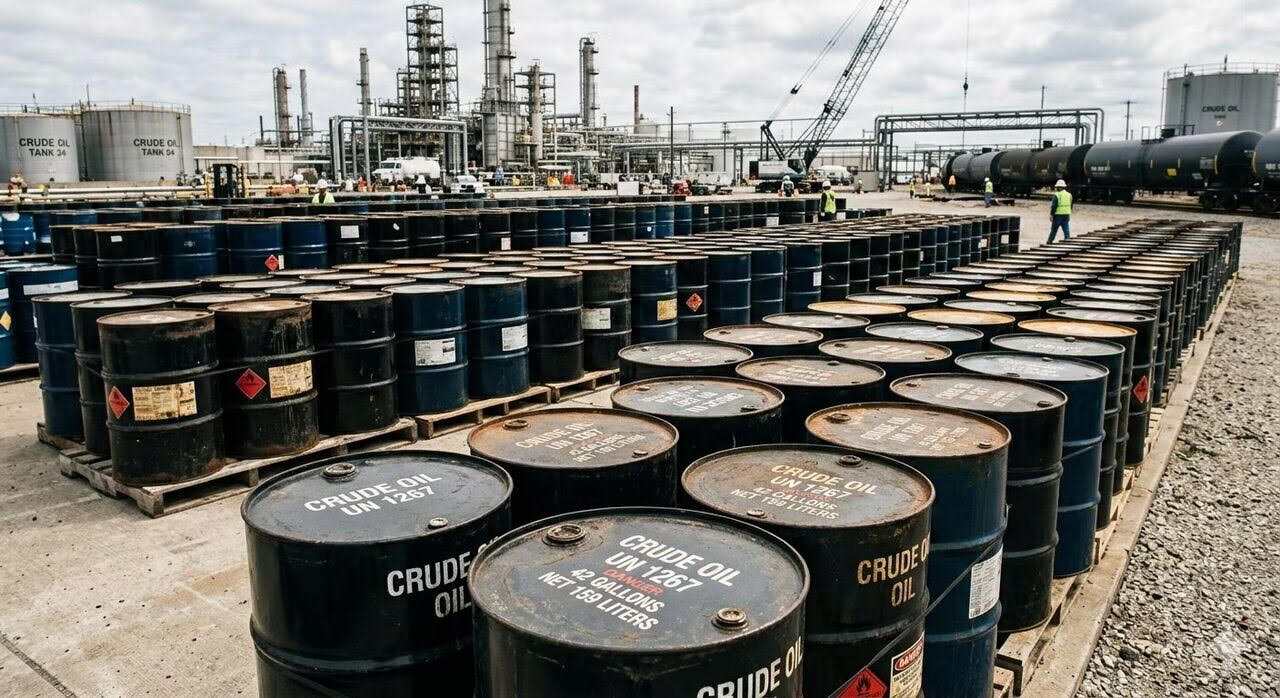
TEHRAN – Global oil stocks are approaching their lowest level in eight years, Goldman Sachs said, warning that the speed of depletion was becoming a concern as supplies through the Strait of Hormuz remained restricted.
The ongoing geopolitical tensions in the West Asia, particularly the recent escalation involving Iran and continued disruptions to tanker traffic through the strategic waterway, have exacerbated supply-side vulnerabilities.
Market analysts note that even minor interruptions in the Strait — through which nearly 20% of global petroleum passes — could trigger sharp price volatility.
Meanwhile, major oil producers have been slow to ramp up output, and strategic reserves released earlier by consumer nations have largely been depleted.
This combination of factors has created a precarious supply balance, leaving the market highly sensitive to any further shocks.
The bank estimated total global oil stocks stood at 101 days of global demand and could fall to 98 days by the end of May. Such a decline, if realized, would mark the lowest stock-to-demand ratio since the post-2008 financial crisis era.
Industry experts warn that falling below 100 days of cover typically signals a tightening market, often preceding sustained price increases.
Goldman added that while total global stocks are "unlikely to hit minimum operational levels this summer, the speed of depletion and supply losses in some regions and products is concerning."
Regional product shortages have already emerged, with diesel and gasoline inventories in key consumption centers like Europe and parts of Asia drawing down faster than anticipated. Refinery maintenance seasons and unplanned outages have further strained supply chains, pushing refining margins higher.
The bank estimated that global commercial refined products stocks have drawn down from 50 days of demand (DoD) before the U.S.-Israeli war on Iran to 45 DoD now. The bank added that easily accessible refined products buffers were fast approaching very low levels. Should these buffers be exhausted, even localized supply disruptions could lead to price spikes at the pump, potentially impacting inflation-sensitive economies worldwide.
Some OPEC+ members have signaled readiness to adjust output, but analysts caution that any meaningful response may come too late to prevent further stock erosion in the immediate term.
MA
Leave a Comment