How does China define the new global order?
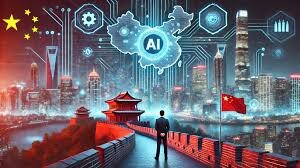
TEHRAN - Over the past two decades, China has transformed from an emerging economic power into one of the most influential actors in the global economy. Rapid economic growth, extensive industrial development, and the expansion of its trade influence have enabled Beijing to play an increasingly prominent role not only in economic dynamics but also, gradually, in global security and strategic affairs. The key question is how China can simultaneously shape a new economic order while also influencing international security dynamics.
China’s first and most significant tool of global influence is its economic strength and vast production capacity. Over the past four decades, China has become the world’s second-largest economy and now holds a substantial share of global trade. According to international statistics, China’s gross domestic product exceeds $18 trillion, and the country is the world’s largest exporter of goods. This position allows Beijing to play a more active role in shaping the rules of the global economy through trade, investment, and technology.
One of China’s most important initiatives in this regard is the Belt and Road Initiative (BRI)—a large-scale project aimed at developing transportation, energy, and communication infrastructure across Asia, Europe, and Africa. The initiative, which includes projects in more than 140 countries, represents China’s effort to build a new network of economic and trade routes. Such a network could increase economic interdependence among countries while strengthening China’s role in the global economy.
However, China’s influence is not limited to the economic sphere. The connection between economic power and strategic influence has become a defining feature of Beijing’s foreign policy in recent years. Investments in ports, railways, digital infrastructure, and energy projects across different regions provide not only economic benefits but also potential geopolitical implications. For example, China’s involvement in the development of strategic ports in various parts of the world can enhance its role in maritime security and global trade dynamics.
At the same time, China has sought to expand its presence in international institutions and multilateral mechanisms. The establishment of institutions such as the Asian Infrastructure Investment Bank (AIIB) and its active participation in organizations like the Shanghai Cooperation Organization (SCO) reflect Beijing’s efforts to shape new frameworks for economic and security cooperation. Over time, these institutions could become complementary to—or even competitors of—some traditional structures of the global economic system.
Another important factor is China’s growing technological and military capabilities. Massive investments in areas such as artificial intelligence, space technologies, next-generation communication networks, and advanced industries have not only supported the country’s economic growth but also strengthened its strategic capacity. Alongside these developments, the expansion of China’s naval capabilities and the modernization of its armed forces suggest that Beijing is seeking a more active role in safeguarding its interests within the international security environment.
Nevertheless, China’s influence on the global order does not rely solely on hard power. Economic diplomacy, regional cooperation, and participation in addressing global challenges also form an important part of its strategy. Issues such as energy security, climate change, and the stability of global supply chains are areas where China has attempted to play a more constructive role.
In sum, the combination of economic power, cross-border infrastructure initiatives, technological advancement, and active participation in multilateral frameworks has positioned China as a key actor in shaping a new global order. If this trajectory continues, China will not only play a significant role in defining the economic dynamics of the future world but may also influence some of the major security and strategic equations of the international system.
* Mahdi Zolfaghari, PhD, Associate Professor, Department of Asian Studies, Allameh Tabataba’i University
Leave a Comment