Iran's plan to connect electricity grids of SCO member states welcomed
TEHRAN- The Deputy Head of the Renewable Energy Organization and Electricity Energy Efficiency Organization (SATBA) announced the welcoming of Iran's plan to connect the electricity grids of Shanghai Cooperation Organization (SCO) member states and said: The development of renewables has increased the opportunity for convergence.
According to IRNA from the Renewable Energy Organization and Electricity Energy Efficiency Organization (SATBA), Hamidreza Azimi at the 6th Meeting of Energy Ministers of the Shanghai Cooperation Organization in Bishkek, Kyrgyzstan, added: Based on the statement read by the Deputy Minister of Electricity and Energy of the Ministry of Power, following constructive consultations between the Islamic Republic of Iran and the Secretariat of the Shanghai Cooperation Organization, the plan "Initiative for Convergence and Electricity Connection of Member States" was proposed by Iran, which was welcomed by the countries present at this meeting.
The Deputy Head of the Renewable Energy Organization and Electricity Energy Efficiency Organization stated: In this regard, the Ministry of Power of the Islamic Republic of Iran has presented a concept note for this initiative, in which the exchange of policy experiences in demand management, energy market regulation, and infrastructure development are also among the other important axes of cooperation.
A 5-fold increase in capacity of solar power plants over past year
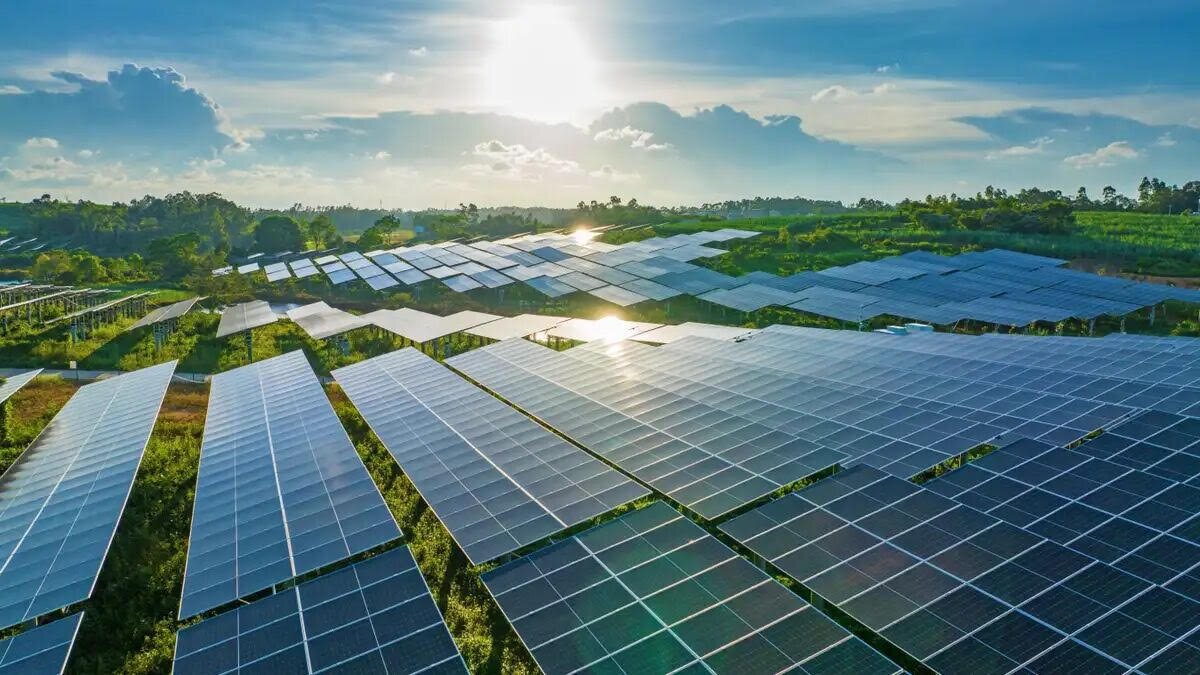
Azimi said: The Islamic Republic of Iran, in order to diversify its energy basket and protect the environment, has more than quintupled the capacity of its solar renewable power plants over the past year.
He clarified: This approach of developing renewable power plants, while reducing dependence on fossil fuels, results in annual savings of 2.5 billion cubic meters in gas consumption, reduces pollutants, and prevents the emission of 4.93 million tons of CO2 gas, and also plays an important role in the stability of the electricity grid, improving agricultural productivity, and developing the welfare and security of the country and the region.
Iranian delegation visits largest waste-to-energy plant in Central Asia
On the sidelines of the 6th Meeting of Energy Ministers of the Shanghai Cooperation Organization in Kyrgyzstan, the Iranian delegation visited the Bishkek waste incineration plant as the largest waste-to-energy plant in Central Asia.
In this visit, which was conducted with the presence of Mostafa Rajabi-Mashhadi, the Deputy Minister of Electricity and Energy of the Ministry of Power, and Hamidreza Azimi, Senior Advisor and Deputy Head of SATBA, Kyrgyz officials provided explanations about this plant, which was built with a $95 million investment by a Chinese company and is the first and largest waste-to-energy plant in Central Asia.
This facility, inaugurated in December 2025, converts more than 1,000 tons of municipal waste per day into electricity and generates approximately 23 to 30 megawatts of power. The development phase of this project began in June 2026, and upon its completion, the processing capacity will reach 3,000 tons of waste per day and electricity generation will reach about 90 megawatts. At this stage, the plant will be able to generate approximately 307 million kilowatt-hours of electricity annually and play a significant role in supplying electricity to Bishkek.
The goal of implementing this project is to reduce environmental pollution, convert municipal waste into clean energy, and develop energy infrastructure in the capital of Kyrgyzstan. According to the investment contract, the electricity generated by this plant will be sold to the Kyrgyz Ministry of Energy for 35 years at a price of 7 cents per kilowatt-hour.
According to this report, the 6th Meeting of Energy Ministers of the Shanghai Cooperation Organization was held on Friday, in Bishkek, Kyrgyzstan.
EF/MA
Leave a Comment