US military loses 25% of its MQ-9 drones as stocks dwindle in Iran war
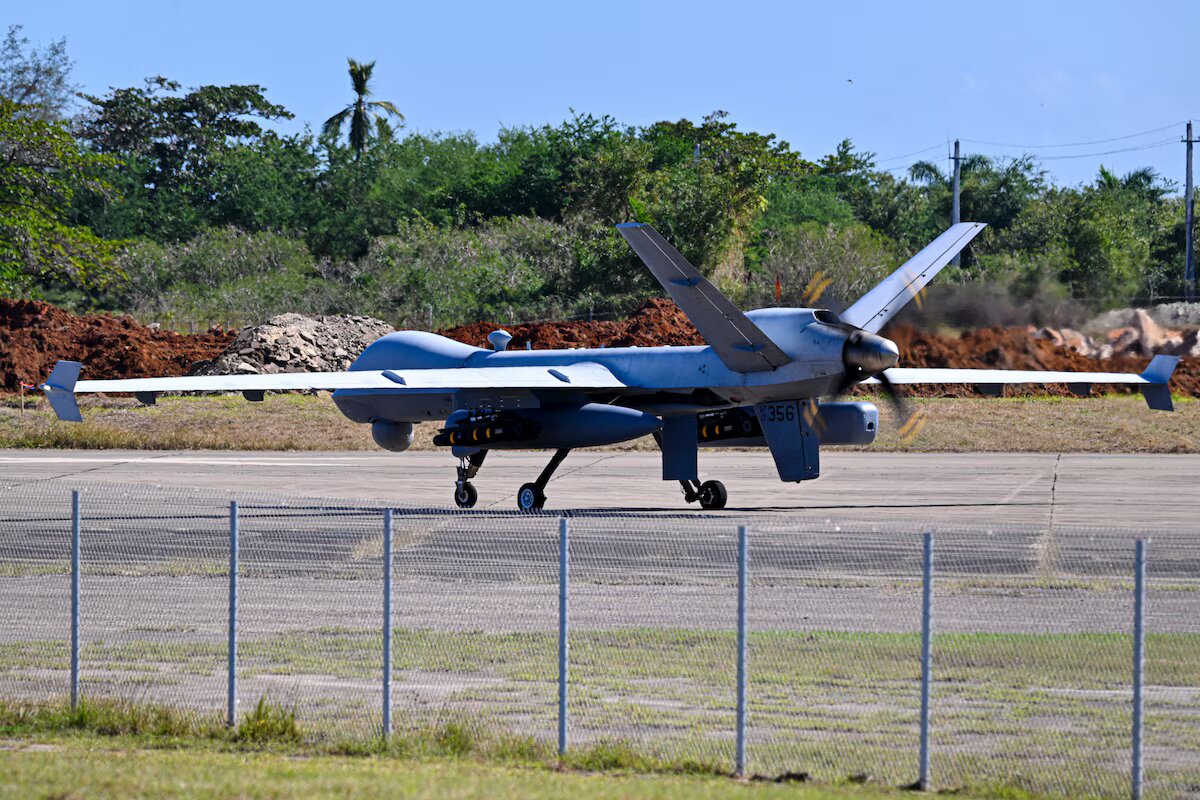
TEHRAN — The US military has suffered a 25% reduction in its MQ-9 Reaper drone fleet during the conflict with Iran, losing at least 45 aircraft valued at over $1.3 billion combined.
The Reaper can cost between $30 million and $50 million depending on the type of sensors and weapons it carries, according to the Air Force.
Heavy operations over the vital Strait of Hormuz—coupled with enemy strikes and persistent communications failures—have severely depleted these high-value surveillance and strike platforms alongside critical missile stockpiles, leaving US inventory stretched thin and forcing major strategic adjustments across the region.
The mounting drone losses reflect a broader, systemic strain on American military readiness as the campaign drags on. Before the outbreak of hostilities on February 28, the US military maintained a fleet of approximately 185 Reapers across the Air Force and Marine Corps, excluding classified intelligence assets. By May, senior Air Force leadership confirmed to Congress that active inventory had dropped to around 135 units. While the Marine Corps’ Pacific-based Reapers have avoided losses, the Air Force fleet patrolling Middle Eastern airspace has taken the brunt of the attrition. Flying at slow speeds and relatively low altitudes, the non-stealthy aircraft have proven to be vulnerable targets for Iranian forces and resistance groups operating in Yemen and Iraq.
Beyond uncrewed aircraft, the sheer intensity of the air campaign has rapidly drained America’s most advanced munitions. In the first month of hostilities alone, US forces expended over 850 Tomahawk cruise missiles and more than 1,000 Patriot and Terminal High Altitude Area Defense (THAAD) interceptors. This unprecedented burn rate—compounded by years of prior military assistance to Ukraine—has severely degraded stockpiles of key long-range strike capabilities and high-demand air defenses. Consequently, frontline commanders have been forced to change defensive tactics, rationing interceptors and holding back missiles in reserve unless an incoming strike poses a direct threat to personnel or key installations.
Restocking these depleted arsenals presents a daunting long-term industrial challenge. While the White House is pressing Congress for a $67 billion emergency supplemental war budget, financial infusions alone cannot overcome manufacturing bottlenecks. Analysis from defense think tanks highlights that critical systems face multi-year production backlogs. For instance, manufacturing a single THAAD interceptor takes nearly three years, with maximum national production capacity capped at just 96 units annually. Meeting the Pentagon’s multi-year requirement for thousands of interceptors could take decades at current factory output levels.
Leave a Comment