Theater-orchestral production “Arash” to bring Iranian legend to Tehran stage
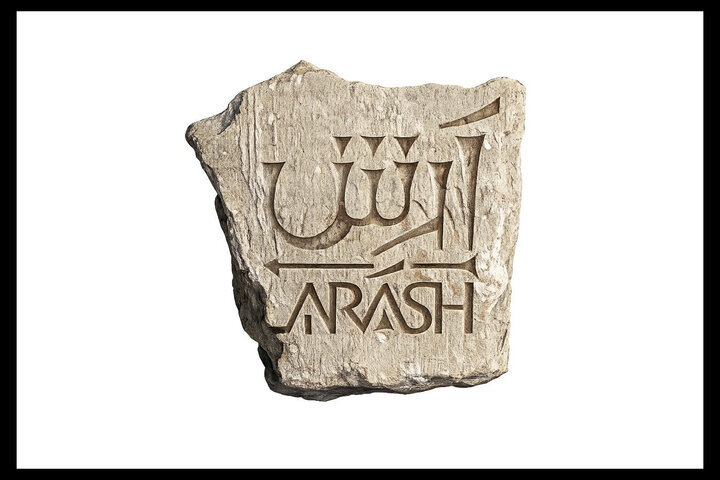
TEHRAN- A large-scale theater-orchestral production based on one of Iran’s most enduring legends, “Arash,” is scheduled to go on stage in Tehran in September.
Produced by Ali Mohtasham, directed by Ali Sarabi and written by Omid Sohrabi, the production will be staged at the Royal Hall of Espinas Palace in Tehran, bringing together theater, live music and orchestral performance to offer a new interpretation of the legendary Iranian archer, Mehr reported.
“Arash” is centered on one of the best-known heroic figures in Iranian mythology and seeks to explore themes of national identity, courage, love and choice through a combination of dramatic performance and live orchestral music.
The production has been described as one of the largest and most distinctive theater-orchestral projects of the current year, bringing together a major ensemble of performers from Iran’s theater and cinema scene.
The first group of actors includes Sajjad Babai, Amin Bani, Maral Baniadam, Mehdi Pakdel, Sheida Khaligh, Arash Dadgar, Keyvan Saketof, Ali Shadman, Alireza Shoja-Nouri, Tannaz Tabatabai, Mohsen Ghaffari, Navid Mohammadzadeh, Sam Mazinani and Elika Nasiri.
The participation of these prominent actors from different generations of Iran’s performing arts community is expected to contribute to the scale and diversity of the production. Further details about the musical ensemble and other elements of the cast and production are expected to be announced later.
The project presents the story of Arash not merely as an ancient tale of heroism, but as a narrative about sacrifice and the meaning of belonging to one’s homeland. Through its theatrical and musical format, the production aims to reinterpret the legendary figure for a contemporary audience while retaining the central themes that have allowed the story to survive across generations.
Arash, known in Persian mythology as Arash-e Kamangir, is one of the most celebrated heroic figures in Iranian cultural tradition. His story has been preserved in different forms in Persian literature and mythology and has come to symbolize self-sacrifice, courage and devotion to the homeland.
According to the best-known version of the legend, Iran and Turan have been engaged in a devastating war. After years of conflict, the two sides agree to settle their dispute by determining a new boundary. The agreement requires an Iranian archer to shoot an arrow, with the point where the arrow lands becoming the border between the two lands.
Arash is chosen for the task.
The legend presents the challenge as far more than an ordinary feat of archery. Arash is required to put all his strength into a single shot, knowing that the act will cost him his life. He climbs to a high mountain and prepares to release the arrow. In one of the most famous images associated with the legend, Arash's entire strength and vitality are said to enter the arrow as he shoots it toward the horizon.
The arrow travels an extraordinary distance before finally landing, establishing the border and bringing an end to the conflict. Arash, however, dies after completing his mission, having sacrificed himself for the survival and territorial integrity of his homeland.
This element of sacrifice lies at the heart of the legend. Arash does not fight for personal glory or wealth. His heroism comes from accepting a responsibility that requires him to give everything he has for the sake of others.
The story has consequently acquired a symbolic significance far beyond the act of shooting an arrow. Arash has become an embodiment of the idea that the fate of a nation can sometimes depend on the courage and sacrifice of an individual. His story also connects personal choice with collective responsibility, making the ancient legend relevant to later generations.
Arash's story has been particularly influential in Persian poetry and modern Iranian literature. Writers and poets have repeatedly returned to the character, interpreting his sacrifice in different historical and political contexts. The image of the arrow traveling across the land has also become a powerful metaphor for hope, determination and the possibility of shaping the future through individual action.
Unlike some mythological heroes whose stories revolve around conquest, Arash's defining act is one of giving. He wins not by defeating an enemy in combat, but by making the ultimate personal sacrifice to bring an end to war and protect his people.
The Tehran production seeks to use this familiar myth as a starting point for a contemporary theatrical experience. By combining dramatic storytelling with a live orchestra, “Arash” will place the ancient narrative within a large-scale performance environment in which music plays a central role alongside acting.
The creators describe the work as a new interpretation of the Arash myth, focusing on such concepts as identity, courage, love and choice. These themes are expected to allow the production to move beyond a straightforward retelling of the legend and examine the emotional and human dimensions of Arash's decision.
SAB/
Leave a Comment