Iran has sufficient forex reserves to fund imports through end of Trump term, CBI chief says
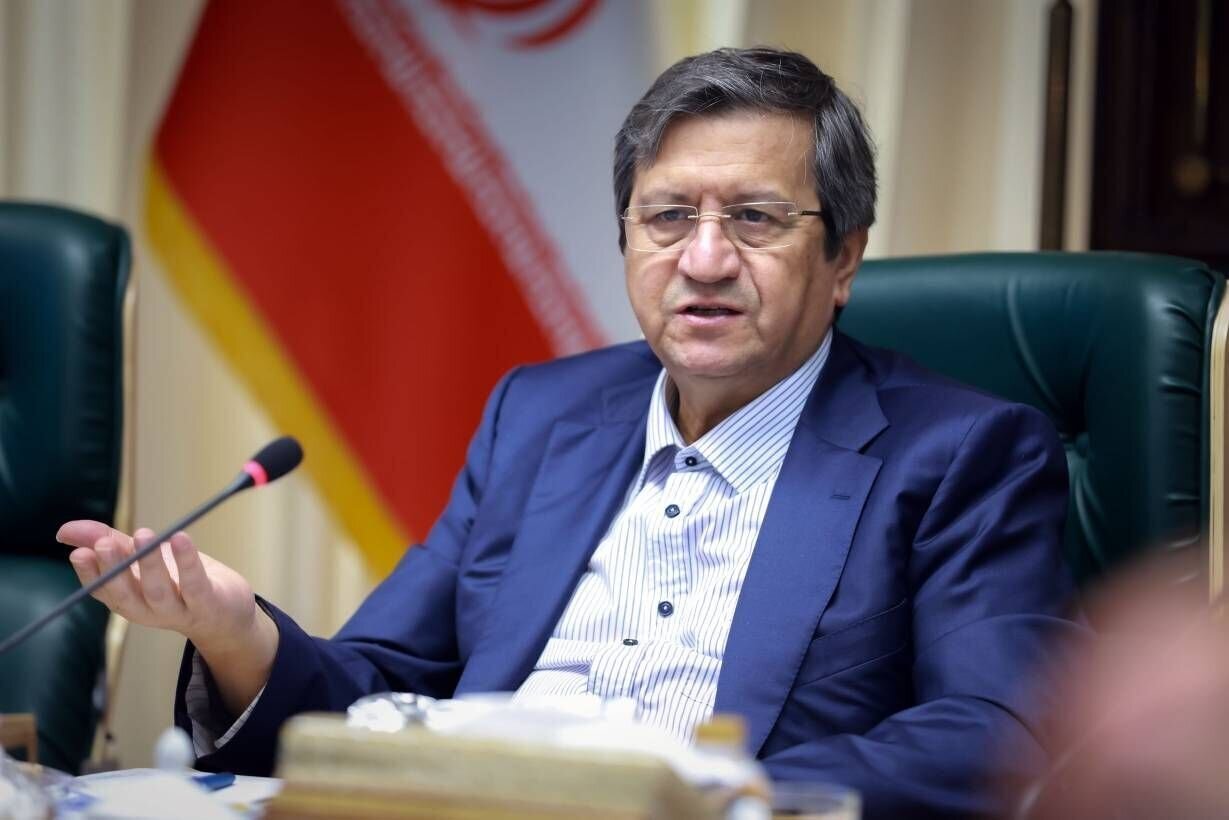
TEHRAN — Iran has sufficient foreign exchange reserves to cover the country’s imports through the end of U.S. President Donald Trump’s term and beyond, Central Bank of Iran (CBI) Governor Abdolnaser Hemmati said in an interview with Bloomberg.
In a post on his Telegram channel, Hemmati said he gave a televised interview to Bloomberg on the sidelines of last week’s annual meetings of the International Monetary Fund and the World Bank.
Hemmati said inflation, which accelerated sharply following a 40-day war, had eased in the three months leading up to the end of Shahrivar, the sixth month of the Iranian calendar which ended on September 22, 2026.
He attributed the earlier surge in inflation to two main factors: supply-side shocks caused by damage to infrastructure and industrial facilities, some of which have since resumed production, and inflationary expectations on the demand side, which the central bank had partly contained through monetary policy tools.
Hemmati said the United States had sought to isolate Iran economically and intensify pressure on the country, predicting that its economy would collapse within two weeks. Despite heavy economic pressure on the Iranian people, Washington had failed to achieve its main objective, he said, describing the prediction as an illusion.
He said he had also raised the issue in an address to central bank governors from the Middle East, North Africa and Central Asia.
Addressing the decline in oil revenues, Hemmati said oil income accounted for a limited share of the government budget. He said the government intended to cover its budget deficit through other sources of domestic-currency revenue, including asset sales, reforms in the energy sector and exports of petroleum products.
On foreign currency revenues, he said Iran was still receiving proceeds from oil exports and had made arrangements to maintain supplies in the future.
Asked about the central bank’s foreign exchange reserves, Hemmati said they were in a good position and would be sufficient to finance imports through the end of Trump’s presidential term and beyond.
Hemmati also discussed measures to offset the loss of purchasing power among households, highlighting the distribution of electronic or commodity vouchers and gradual increases in their rial value for low-income families.
EF/
Leave a Comment