UAE acting as Israel’s shadow enforcer
The UAE is betraying Pakistan, fracturing the Ummah, and selling out Muslim solidarity for Zionist gold
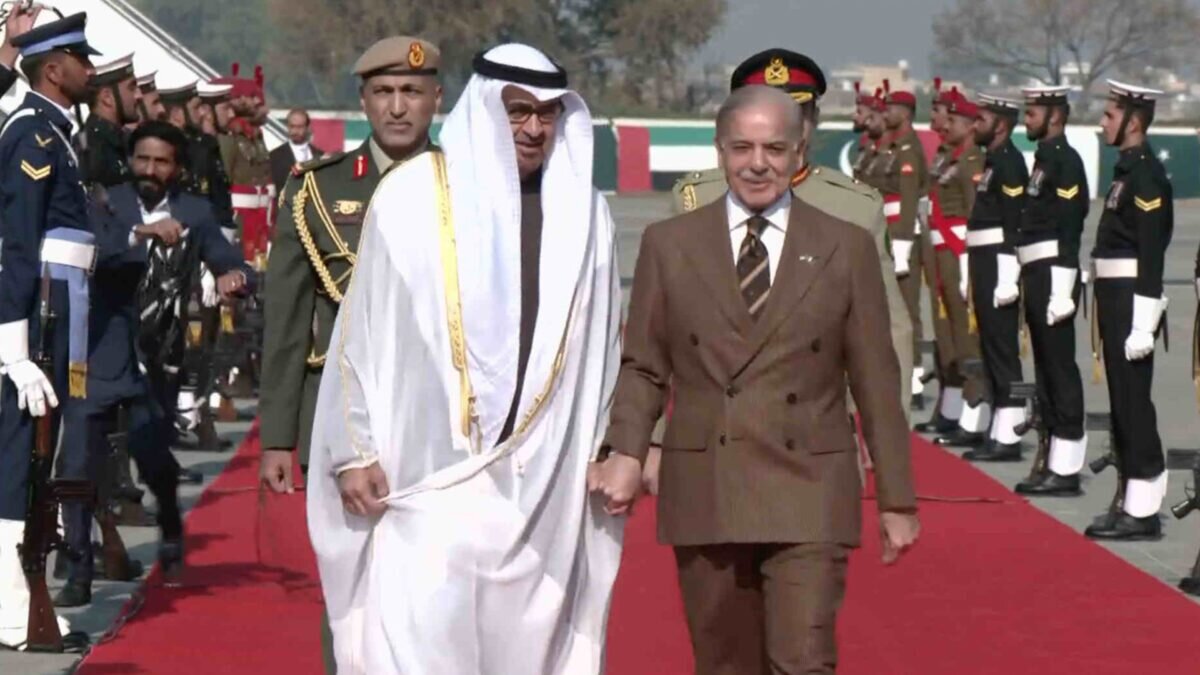
ISLAMABAD – The United Arab Emirates once posed as Pakistan’s “brotherly” partner in the Persian Gulf – pouring in investments, hosting millions of Pakistani workers, and talking up Islamic brotherhood. That facade has shattered.
In 2026, Abu Dhabi stands exposed as a willing vassal of Israel, weaponizing economic leverage, visa crackdowns, and outright expulsions to punish Pakistan for daring to mediate peace between the United States and Iran. Israel wanted the war finished on its terms; Pakistan stepped in as the unlikely bridge-builder, hosting talks and shuttling messages to secure ceasefires.
The UAE’s response: Retaliation dressed up as “routine policy.” This isn’t neighborly friction. It’s calculated revenge from a regime that has bent over backwards to accommodate Tel Aviv, normalizing ties via the Abraham Accords, deepening security pacts, and now treating Pakistan’s 1.7 million expatriates as collateral damage in its pro-Israel crusade. The human and financial toll is staggering: thousands deported, visas frozen, billions demanded back overnight, and long-overdue payments to Pakistan withheld. Worse, Abu Dhabi’s zeal has even strained its once-ironclad alliance with Saudi Arabia, proving that pleasing Israel trumps Muslim unity. The UAE isn’t just allied with Israel; it’s actively sabotaging Muslim-majority states that refuse to toe the Zionist line.
Economic strangulation
Abu Dhabi’s financial warfare against Islamabad is textbook coercion, timed precisely with Pakistan’s mediation efforts in the U.S.-Iran conflict. In early April 2026, the UAE abruptly demanded the immediate repayment of $3.5 billion in central bank deposits – funds originally extended years earlier to stabilize Pakistan’s reserves and pave the way for IMF support. This wasn’t a quiet rollover negotiation; it came with days’ notice, threatening to drain nearly a fifth of Pakistan’s $16 billion forex holdings and torpedo its IMF program. Pakistan scrambled, repaid the full amount (including a final $1 billion tranche on April 23), and leaned on Saudi inflows to avoid default.
Analysts widely viewed it as punitive: punishment for Pakistan’s deepening ties with Riyadh, its “meek” response to Iranian strikes on American military bases hosted by Persian Gulf Arab states, and its role as peacemaker between Washington and Tehran. Israel, which had pushed for decisive strikes on Iran, saw the mediation as interference. The UAE, ever the loyal partner, delivered the economic gut punch.
This isn’t isolated. The UAE-based Etisalat, which snapped up a 26% stake in Pakistan’s state-owned PTCL telecom giant in 2006 for $2.6 billion, still owes Islamabad around $800 million from the original deal – a sum ballooned by interest and penalties to claims of $6 billion after two decades of stalling. Etisalat claims Pakistan failed to transfer thousands of properties; Pakistan calls it a blatant default. Transparency International Pakistan has urged the government to recover every cent, yet Abu Dhabi drags its feet while squeezing Pakistan on deposits. The message is clear: play ball with Israel’s regional designs, or watch your economy hemorrhage. Remittances from the UAE, a lifeline exceeding $13 billion annually in recent years, now face disruption as deportations mount. Pakistani families back home feel the pinch, their breadwinners booted out amid frozen accounts and arbitrary detentions. The UAE’s actions don’t just hurt Pakistan; they signal to every Muslim nation: align against Iran (and by extension, support Israel’s security blanket), or face the same financial noose. It’s dollar diplomacy in service of Tel Aviv, not Islamic solidarity.
Expulsion machine
The human toll exposes the UAE’s zealotry most brutally. In 2025 alone, the UAE deported roughly 6,000 Pakistanis on charges of visa violations, begging rackets, and petty crimes as part of a GCC-wide crackdown. By early 2026, the numbers swelled: over 10,000 in 16 months, with another 5,800 for criminal offenses. New visas for ordinary Pakistani passport holders were effectively halted in November 2025, with officials citing “criminal activities” like smuggling and overstays. Transit visas were suspended, too. Pakistani senators heard testimony that Abu Dhabi came close to a full passport ban before opting for this near-total freeze. Official denials of a blanket policy ring hollow against the scale.
Worse, social media and reports from Pakistani expats are flooded with accounts of arbitrary arrests and deportations targeting those with Shia-associated names – Ali, Hussain, Hassan, Reza, Mehdi, Syed, Naqvi, or Rizvi – regardless of actual sect. Sunnis with such names report the same treatment. A senior Shia cleric declared an “organized campaign” in the post-Iran war, with thousands affected, including frozen assets. Reports detailed arbitrary detentions without charges, often linked to alleged “Iran-backed cells.” UAE security videos urged residents to report “suspicious” activity tied to Iran. 15 Etihad Airways Pakistani employees were fired abruptly in April 2026 and given 48 hours to leave. While the UAE insists these are routine enforcement for public security, the pattern aligns too neatly with Abu Dhabi’s post-Abraham Accords pivot: neutralize any perceived Iranian influence, even if it means purging loyal Pakistani workers who built modern Dubai. Pakistan’s mediation, which frustrated Israel’s war aims, provided the pretext. Expats who attended Muharram gatherings or simply bore “Shia-sounding” names found themselves detained alongside Iranians. This isn’t border control; it’s sectarian profiling to appease Israel’s anti-Iran obsession, turning the UAE into a deportation factory against fellow Muslims. Remittances dry up, families shatter, and Pakistan’s economy wobbles – all while the UAE hosts Israeli business delegations and security cooperation.
UAE’s Zionist embrace alienates Saudi Arabia
The UAE’s Israel alignment isn’t a side deal; it’s the core of its foreign policy, and it’s poisoning the Persian Gulf. Abraham Accords ties have blossomed into tech, defense, and intelligence pacts, with Israel viewing the UAE as its gateway to the Arab world. Abu Dhabi joined I2U2 (India-Israel-US-UAE) and pursued projects that sideline Palestinian rights – the very issue Pakistan refuses to ignore. This zeal has backfired spectacularly on the UAE’s closest partner: Saudi Arabia. Riyadh now openly critiques Abu Dhabi’s “Zionist Trojan horse” role, with Saudi academics and editorials accusing the UAE of betraying Arab unity for Tel Aviv’s ambitions. Tensions flare in Yemen, Somalia, Sudan, and the Red Sea, where the UAE’s support for certain factions clashes with Saudi priorities. One Saudi Shura Council veteran labeled UAE actions as a calculated bid for hegemony at Saudi expense, enabled by Israel. Abu Dhabi’s eagerness to indulge Israeli strikes and regional fragmentation has Riyadh rallying anti-UAE coalitions across the Horn of Africa.
Pakistan’s mediation exposed the rift further. By facilitating U.S.-Iran talks and ceasefires, Islamabad thwarted the decisive blow Israel (and by extension the UAE) sought. The UAE’s retaliation – financial demands, expulsions – isn’t brotherly; it’s treachery that isolates it from the broader Muslim world. Pakistan, Saudi Arabia, Iran, and others who prioritize Palestinian justice or regional peace now see the UAE as an outlier: a petro-state that traded ummah solidarity for Zionist tech and arms. Even within the GCC, the UAE’s overreach creates enemies where allies once stood.
Its actions against Pakistan, a nuclear-armed Muslim nation with deep historical ties, send a chilling signal: loyalty to Israel trumps everything, even if it means deporting Sunnis and Shias alike, starving remittances, and demanding billions back to punish peacemaking.
In the end, the UAE’s behavior reveals a regime hollowed out by its Israel obsession. It has become the enemy of Muslim countries not by accident, but by design, fracturing Saudi ties, punishing Pakistan’s mediation, and enforcing anti-Iran purges that echo Tel Aviv’s playbook. Pakistan paid the $3.5 billion, absorbed the deportations, and kept mediating anyway. The real loser is Abu Dhabi’s credibility. When a supposed “fraternal” Persian Gulf Arab state acts as Israel’s enforcer, it doesn’t just harm Pakistan but erodes the very foundations of Islamic solidarity.
The Ummah is watching. History will record the UAE not as a beacon of progress, but as the Persian Gulf’s most eager accomplice in dividing Muslims to serve foreign masters.
Leave a Comment