US House vote exposes divisions over Iran war policy
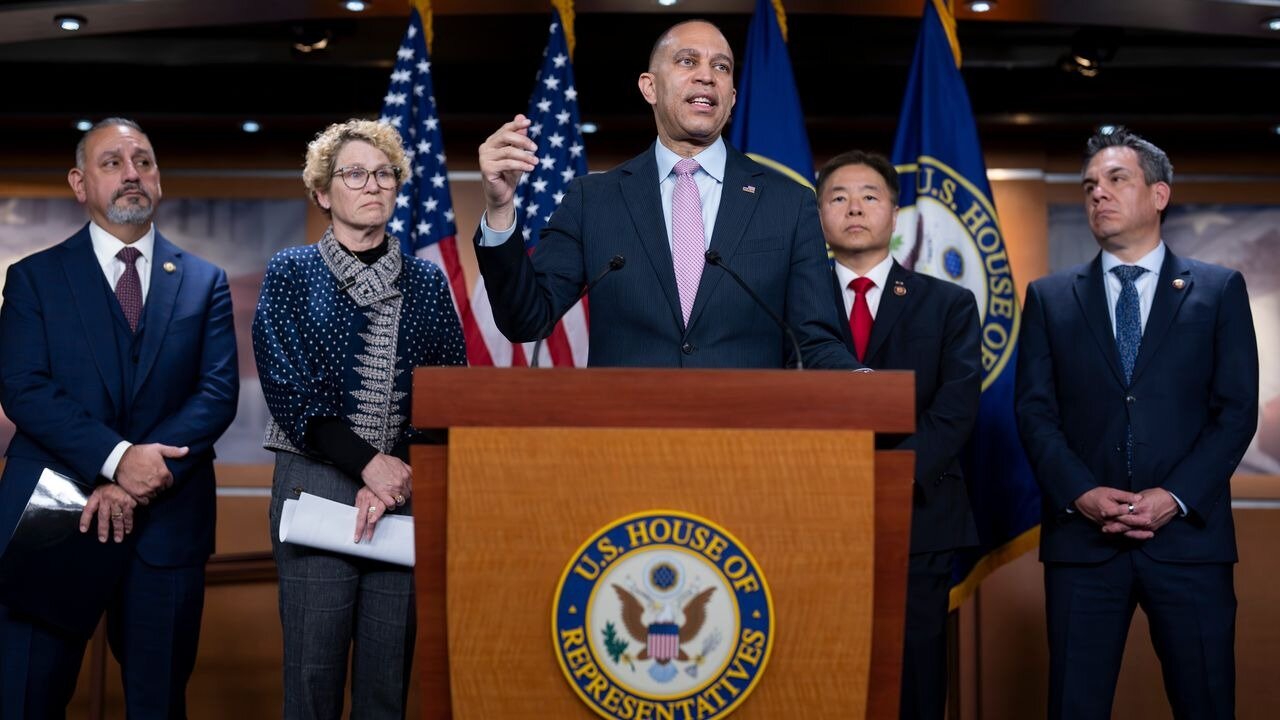
TEHRAN - The US House of Representatives narrowly passed a measure on Wednesday aimed at restricting President Donald Trump from carrying out further military action in Iran, reflecting mounting political backlash against what critics describe as an open-ended and costly war.
The resolution passed by a 215–208 vote, largely along party lines, saw four Republicans break ranks to join Democrats in supporting the effort to rein in presidential war powers. The measure is largely symbolic, but it signals growing unease in Congress over the US military aggression against Iran, which began on February 28.
The war powers resolution would require Trump to either withdraw US forces or seek explicit congressional authorization to continue military operations.
However, its legal impact remains uncertain. The White House has dismissed the measure, arguing it is an unconstitutional attempt to limit presidential authority over military action.
Republican members Thomas Massie, Brian Fitzpatrick, Tom Barrett, and Warren Davidson joined Democrats in supporting the resolution, while Democrat Jared Golden also backed the measure after previously opposing similar efforts.
Supporters of the resolution stressed constitutional concerns over unchecked executive war powers. “Congress alone declares war,” said Representative Tom Barrett, adding that he voted according to his conscience despite potential political consequences.
The vote is being viewed as a notable bipartisan signal of resistance to the ongoing conflict, which critics say has contributed to rising fuel prices and growing public dissatisfaction in the United States.
Democrats argue that the administration’s strategy has failed to achieve its stated objectives while escalating regional instability and complicating diplomatic efforts over Iran’s nuclear program.
Representative Gregory Meeks, the leading Democrat on the House Foreign Affairs Committee, described the vote as a “significant bipartisan rebuke” of an “illegal and costly war,” adding that public opposition and economic pressure are increasing demands to end the conflict.
The measure also highlights divisions within Trump’s Republican Party, coming amid broader disputes over foreign policy and government spending priorities.
The US Senate has previously advanced a similar resolution, though it has yet to hold a full floor vote. If both chambers were to pass the measure, it would not require presidential approval but could face legal challenges.
Despite the congressional pushback, Trump has maintained that negotiations to end the conflict are progressing, saying a deal could be reached soon and insisting that recent military actions were responses to Iranian attacks.
He said his administration is seeking a resolution “without killing everybody,” and suggested that discussions with Tehran were advancing toward a potential agreement.
Iran has stressed its military actions are defensive responses to the continued aggression against its territory and interests across the region.
Iran says it has been compelled to respond to repeated acts of aggression by targeting US bases in the Persian Gulf region.
Leave a Comment