Rebuilding damaged industries to protect production, ensure financing supply chain stability
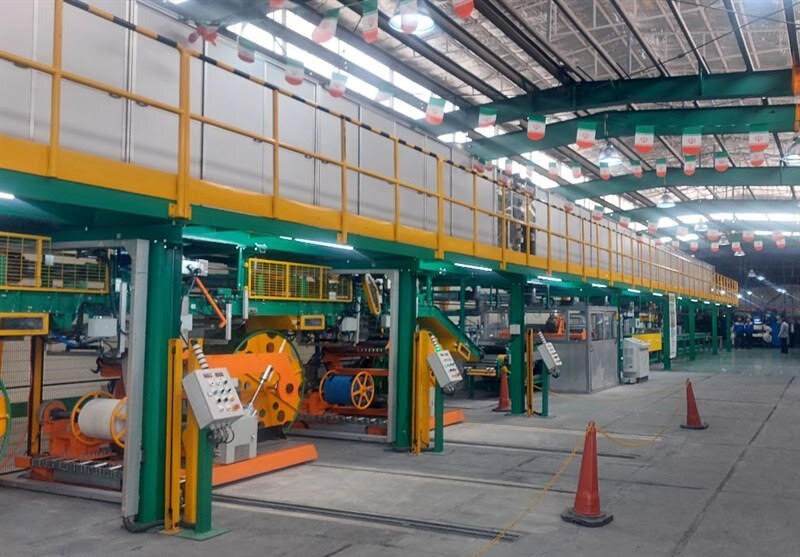
TEHRAN- The US-Zionist imposed war, in addition to causing direct damage to some production units, also affected parts of the country's industrial supply chains. However, planning for the swift return of damaged units to the production cycle and preventing the halt of related industries has now become one of the central axes of industrial policymaking. In this path, securing financial resources, prioritizing strategic industries, and utilizing domestic capacities form the basis of support measures.
In a report that comes below, IRNA has investigated the issue:
The new strategy of the Ministry of Industry, Mining and Trade in this regard is not limited merely to rebuilding the buildings and equipment of damaged units, but is pursued with the aim of preserving production capacity and strengthening the resilience of supply chains. Alongside reconstruction, the modernization of industries is also on the agenda so that directly damaged industries, units affected by supply chain disruptions, and small and vulnerable enterprises, depending on the type of damage, are covered by support packages and reconstruction programs.
To achieve this goal, financial resources are needed, and it has been decided that the use of capital market capacities and modern financial instruments, alongside reconstruction funds, should also be considered. Saeed Shojaei, Deputy Minister for Planning at the Ministry of Industry, Mining and Trade, has announced the issuance of a permit for 100,000 billion tomans in facilities for the reconstruction of industries, stating that this permit has been issued by the cabinet and that, for its implementation, approval from the Supreme Supervisory Council on Banks is also required.
According to him, measures such as obtaining approval for certain budgetary items, including the issuance of 25,000 billion tomans in bonds, are also necessary from higher authorities, including the heads of the three branches of government or the Supreme National Security Council, and must be taken into consideration.
Alongside securing financial resources for damaged units, another important issue concerning the regeneration of industries has also been taken into account. Under this plan, industries are divided into three categories: "directly damaged," "damaged within the supply chain," and "small and vulnerable industries," with special operational packages developed for each category.
In this plan, a specialized platform has been designed for registering the type of affliction of each company. Through this system, the demands of industries are connected to a network of expert consultants and management specialists in the country, so that the reconstruction process can begin swiftly based on scientific methods and lived experiences from the era of the Sacred Defense (Iran-Iraq war).
In this regard, Tahmoures Lahouti Ashkouri, Deputy Minister of Industry, Mining and Trade and CEO of the Small Industries and Industrial Parks Organization of Iran, in an exclusive interview with IRNA, while explaining his organization's new strategies in dealing with the consequences of the war, stated that "protecting production capacities" and "reviving damaged industrial units" are the two main pillars on the agenda of the Ministry of Industry, Mining and Trade.
He emphasized that maintaining the stability of the production flow and precise monitoring of the supply chain of essential goods goes beyond a routine task; it is a defensive priority for the organization to prevent the disruption of upstream and downstream production links, from agriculture and processing industries to the final consumer market.
Referring to the damage inflicted on industrial infrastructure across 17 provinces of the country, Lahouti Ashkouri said: "One-third of all damaged units were concentrated in industrial towns and zones—units that played a vital role in supplying industrial requirements and strategic goods."
The CEO of the Small Industries Organization identified "financing" as the main bottleneck in industrial reconstruction and announced that a special support package has been drafted with the active participation of the Ministries of Economy, Labor, and the Central Bank, and is in the final stages of approval. After final approval by the Supreme National Security Council and the heads of the three branches of government, this plan will be communicated as the operational framework for reconstruction.
He added that special arrangements have been made for the allocation of land in industrial towns with the lowest down payments and long grace periods. Furthermore, for more than 1,500 industrial units, financial processes have been facilitated with the aim of settling debts arising from usage rights, in order to minimize the financial risks faced by enterprises.
Lahouti Ashkouri emphasized that resource allocation will prioritize medical equipment, pharmaceutical and food industries, as well as "leading industries," as these sectors act as the driving engine for downstream chains and ensure the stability of the entire country's industrial ecosystem.
According to the explanations provided by officials of the Ministry of Industry, Mining and Trade and the Small Industries Organization, the national strategy for rebuilding damaged industries represents a shift from mere physical reconstruction toward the resilient regeneration of the country's industrial ecosystem.
MA
Leave a Comment