Digi and glimpses of culinary heritage in Qaleh Bala village
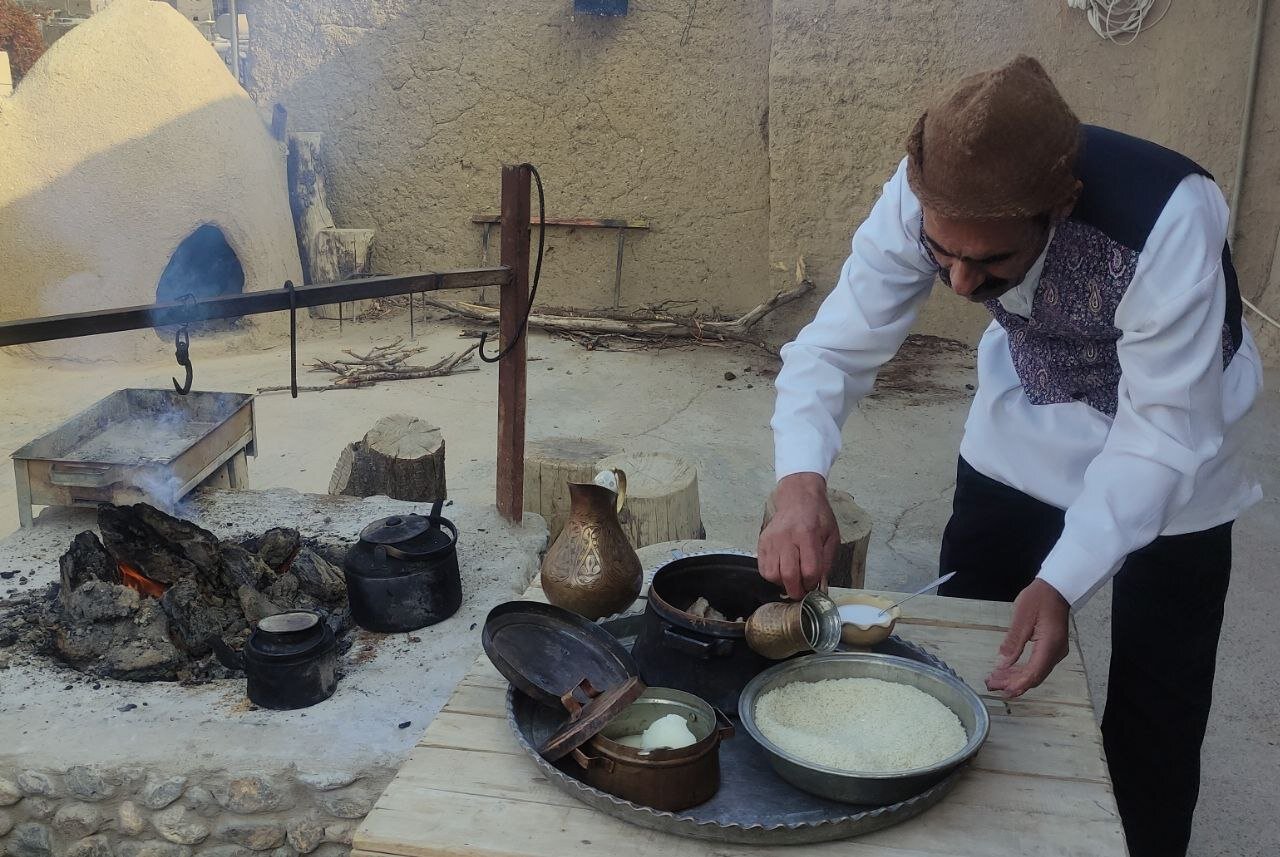
TEHRAN – A traditional dish known as Digi, prepared using a centuries-old method in Iran’s Qaleh Bala village, offers insight into the area’s indigenous culinary culture, reflecting local knowledge, communal practices and social traditions passed down through generations.
According to local residents, the dish goes beyond its role as food, serving as a symbol of solidarity, collective identity, and the region’s intangible cultural heritage.
Digi is prepared with a simple yet meaningful combination of rice, meat, salt, and water in a copper pot. Its cooking method is unique: the pot containing these ingredients is placed inside a fire pit, while additional fire is set on its lid, allowing the heat to cook the food evenly from both sides. This traditional technique not only reflects the local knowledge and culinary skills of the villagers but also creates a bridge between the past and the present.
Cooking Digi has always taken place within the context of family and social gatherings. This dish holds a special place in collective rituals, especially on Sizdah-e-Norouz, known as “Nature Day,” when families and villagers come together outdoors to prepare Digi as a symbol of participation and solidarity. In this tradition, each individual plays a role in the preparation, and this collective involvement strengthens the sense of closeness and cooperation.

Beyond its culinary aspect, Digi carries social and cultural values. Its presence in nature-based festivals and rituals creates a bond between humans and the environment. The use of traditional fuels such as wood and animal-derived materials reflects indigenous knowledge and sustainable ways of living in the region. As part of intangible heritage, this dish represents the local food culture and lifestyle, holding a special place in the collective memory of the people.
Digi is no longer confined to the ritual cuisine of Qaleh Bala village; it is now prepared in eco-lodges for tourists as well. This experience offers visitors the chance to take part in the preparation of the dish, become familiar with traditional cooking skills and the local way of life, and engage in a de Cooking Digi in eco-lodges is a clear example of sustainable tourism; by relying on local resources and traditional methods, it supports the village economy and creates jobs for residents, while at the same time preserving environmental values and fostering respect for naturized-rooted social and cultural ritual.

Thus, Digi is more than a traditional dish; it has become a means of fostering sustainable tourism and safeguarding the intangible heritage of Qaleh Bala village. Ultimately, Digi is more than a local food—it is a narrative of solidarity, indigenous knowledge, and connection with nature. Cooked in fire and a copper pot, it tells a story of cooperation, joy, and collective identity. By preserving this tradition, the people of Qaleh Bala pass down a valuable heritage to future generations, showing that food can transcend nourishment to embody meaning and culture.
Local foods are significant for many travelers, as they form an integral part of culture and cultural heritage, embodying traditional knowledge, beliefs, rituals, and skills passed down through generations. Their preparation and consumption reflect cultural identity and the relationship between communities and nature.
AM
Leave a Comment