US ability to defend allies, including Japan, falters: analysis
TEHRAN – There is growing concern about the United States’ ability to provide security for its allies in the face of a military standoff.
For example, Japan will release the next phase of its national security strategy later this year, covering 2026 to 2030, Al Jazeera reported on April 24.
The document is expected to incorporate lessons from Ukraine and Iran about drones and supply chain chokepoints, says Kazuto Suzuki, director of the Institute of Geoeconomics, an independent think tank in Tokyo.
Japan has historically fallen under the protection of Washington’s nuclear umbrella, but China’s rapid military expansion has “reduced the credibility of the U.S. extended deterrence,” according to Kei Koga, an expert in East Asian security and the U.S.-Japan alliance, at Nanyang Technological University in Singapore.
While some of these changes are a response to the rise of neighboring China, they also reflect growing concern in Tokyo about its longtime ally, the U.S., and its ability or willingness to defend its allies, say analysts.
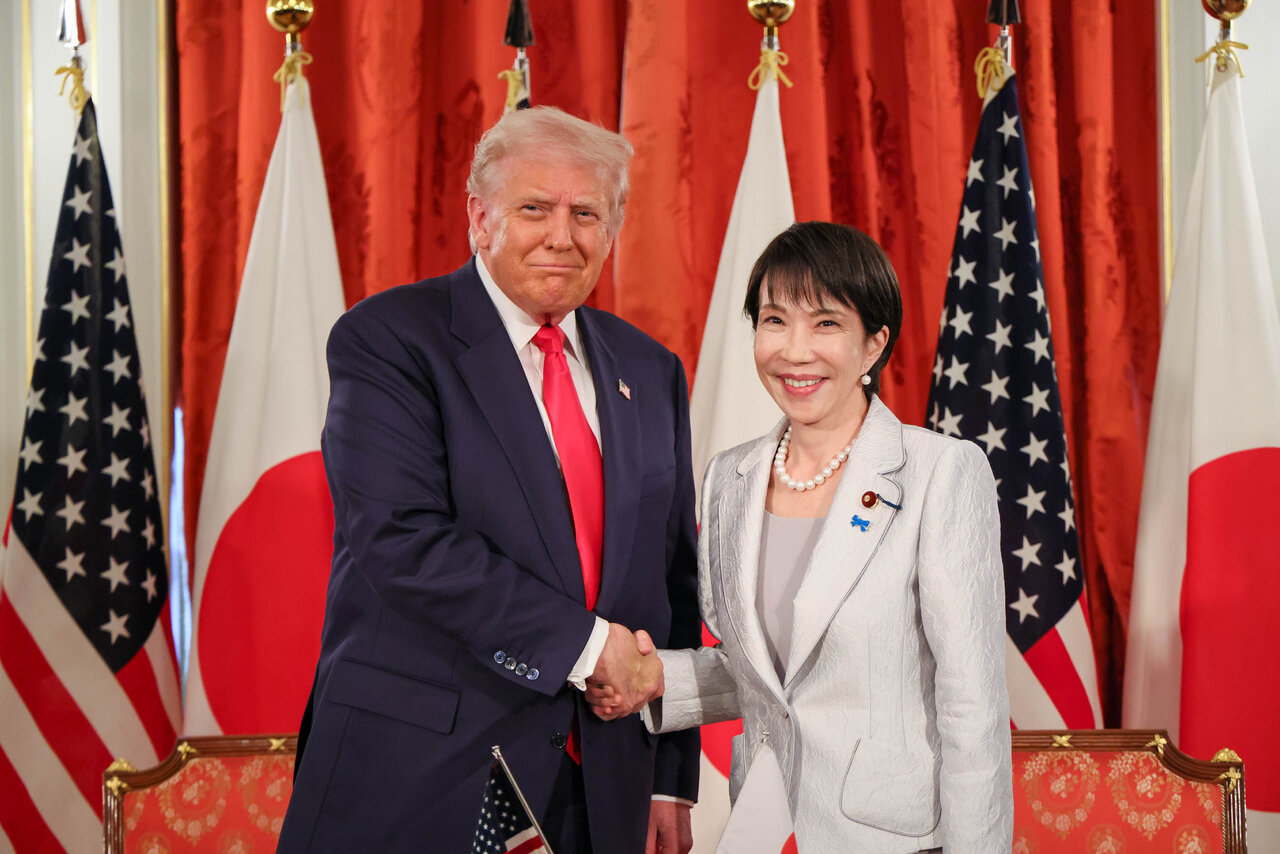
Under U.S. President Donald Trump, many of the longstanding assumptions about the U.S. commitment to defend allies like Japan are changing.
Trump’s shift towards an “America First” policy and combative relationship with longtime allies in Europe has worried Japan. A 2025 survey by Japan’s Asahi Shimbun indicated that 77 percent of respondents doubt the U.S. would protect Japan in a military crisis.
“Everything is focused on the American interest and American defence, so defending other countries is not the priority,” Suzuki told Al Jazeera.
Growing U.S. skepticism in Japan has pushed Tokyo to shore up alliances with other U.S. allies like the Philippines and Australia, while also dimming some of the public criticism about Japan’s military build-up.
“For many years, the opposition assumed that the United States would come and rescue Japan, and therefore we don’t need to have more than self-defence,” Suzuki said. “Increasingly, people are realizing this assumption is too optimistic, and we need to have at least the minimum capability to have deterrence and counterstrike capability.”
Leave a Comment