British official warns of continued price hikes following Iran war
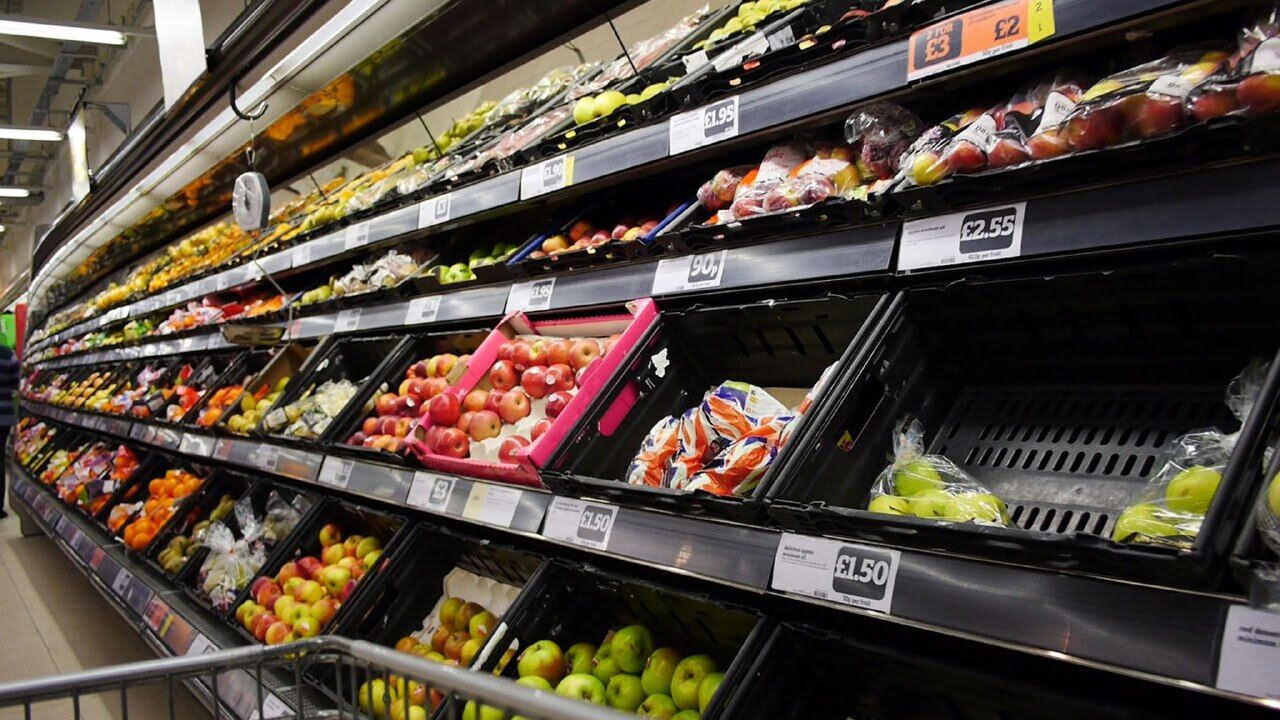
TEHRAN – People in the UK could face higher energy, food and flight ticket prices for at least eight months following the end of the US-Israel war with Iran, a senior minister has said.
Darren Jones, chief secretary to the prime minister, told the BBC the government was stepping up plans to offset potential food and fuel shortages caused by the war. Energy production and transportation across West Asia have slowed or stopped entirely due to the conflict, causing supply chain issues and global price rises.
Government officials have drawn up a worst-case scenario of food shortages by summer, including chicken and pork, should the war continue. Jones said "price pressure" was more likely than empty supermarket shelves. "Our best guess is eight plus months from the point of resolution that you'll see economic impacts coming through the system," he stated.
Prime Minister Sir Keir Starmer will chair another Cabinet committee meeting on Tuesday to deal with any shortfalls, while a group of ministers meets twice weekly to monitor stock levels. Jones previously said: "This is not our war. The government made the right call to stay out of the conflict."
The IMF forecast that the energy shock would hit the UK harder than any other advanced economy, slashing its growth estimate for this year from 1.3 to 0.8 percent.
Economists warn the prolonged conflict poses an even greater threat. Dr. Emily Thornton of the London School of Economics said the eight-month lag effect may be optimistic, warning of 18 months of elevated prices if damage to Persian Gulf energy infrastructure continues. The Bank of England may raise interest rates further to combat inflation.
Business groups have voiced alarm. The British Retail Consortium warned smaller supermarkets may need to ration essential goods. Airlines have announced fuel surcharges will remain through 2026.
Opposition parties accused the Labor government of complacency. Shadow Chancellor Mel Stride called the preparation a "failure." The government announced a £2 billion support package for vulnerable families, though critics note this is far smaller than the £40 billion provided during the Ukraine energy crisis.
Civil contingency planners have drawn up emergency protocols including reopening wartime fuel depots, coordinating military food distribution to remote areas, and establishing a national hotline to report hoarding. These measures could be triggered if the Strait of Hormuz blockade persists beyond six weeks.
The UN's World Food Program warned the conflict's impact will be most catastrophic in the Global South. One Birmingham pensioner said: "Watching prices rise week after week with no end in sight... this feels endless." The war against Iran, thousands of miles away, has entered every British household budget, and as Jones admitted, the pain is only beginning to show.
EF/MA
Leave a Comment