Iran’s annual sponge iron production increases 16%
TEHRAN- According to the statistics of the Iranian Steel Producers Association (ISPA), sponge iron production in Iran during the past Iranian calendar year 1404 (ended on March 20) increased by 16 percent. The country’s sponge iron output stood at 39.056 million tons in the past year, while the figure was 33.659 million tons in year 1403, the association announced.
The country’s sponge iron output stood at 39.056 million tons in the past year, while the figure was 33.659 million tons in year 1403, the association announced.
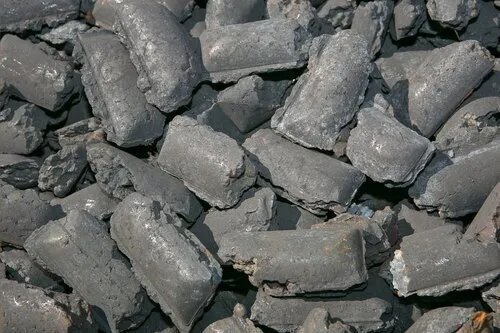
Direct reduced iron (DRI), also called sponge iron, is produced from the direct reduction of iron ore (in the form of lumps, pellets, or fines) into iron by reducing gas or elemental carbon produced from natural gas or coal. Many ores are suitable for direct reduction.
While Iran is fighting the U.S. severe sanctions on its economy, and the country’s different industrial and economic sectors have been affected by the limitations and difficulties caused by the sanctions condition, the country’s mining sector is moving forward noticeably, overcoming such barriers.
Among the mining sector’s different products, sponge iron is an outstanding example, as the production of this item is rising more and more in the country.
Iranian Mines and Mining Industries Development and Renovation Organization (IMIDRO), Iran’s largest metals and mining holding, has stated that one of the most important reasons for the increase in sponge iron production in Iran is the establishment of new sponge iron plants, adding that in recent years, with its new strategy and with the participation of the private sector, the organization has been able to launch several projects to produce sponge iron.
It is worth mentioning that according to the statistics of the Iranian Steel Producers Association, steel production in Iran during the past Iranian calendar year 1404 has recorded a growth of over six percent.
The association has published the statistics for the year 1404 of the country's steel chain. Accordingly, despite intensified energy restrictions, due to optimal management and the introduction of new capacities—both in production and in energy self-sufficiency by steelmakers—Iran's steel production increased by 6.2 percent. Thus, Iran's steel production in 1404 reached 32.1 million tons, equaling the production level of 1402.
The total production volume of steel products in the country in 1404, however, experienced a reverse trend, declining by 1.8 percent. Meanwhile, sponge iron recorded the highest production growth among steel chain products, with a 16-percent increase. However, in the upstream of the steel chain, production of pellets and iron ore concentrate remained at the same levels as the previous year.
According to this report, the significant growth in sponge iron production—due to new capacities coming online on one hand—and the stabilization of pellet and iron ore concentrate production on the other hand, indicates a worsening shortage of raw materials for direct reduction units. However, with the shutdown of more than 14 million tons of sponge iron production capacity due to damages caused by the third imposed war, this shortage will be temporarily absent.
A 3.8-percent increase in steel ingot production against a 1.1-percent decrease in long steel product production indicates the need to develop steel ingot exports. It is noteworthy that the shutdown of more than two million tons of steel ingot capacity due to the third imposed war can be compensated by activating idle capacities for producing this product.
Production of various steel sheets in 1404 remained almost at the level of the previous year. Meanwhile, slab production saw a double-digit growth of 10.2 percent. Unfortunately, due to the damages inflicted on slab-producing companies during the imposed war, the balance of the flat steel products chain has been disrupted, making the import of slabs and hot-rolled sheets necessary and urgent.
Iran's steel industry is a cornerstone of its non-oil economy, having grown into a significant global player. In 2025, the country produced approximately 32 million tons of crude steel, securing its position as the world's 10th-largest producer.
Beyond crude steel, Iran is a major force in the global direct reduced iron (DRI) market. The nation produced roughly 37 million tons of DRI in 2025, accounting for about a quarter of the world's total supply. This DRI is used by its modern electric arc furnace (EAF) mills, which form the backbone of its steelmaking capacity. However, the industry has faced severe headwinds. In early 2026, military strikes on key facilities, including the country's two largest steel plants, caused major disruptions. This came on top of long-standing challenges like international sanctions, domestic inflation, and energy shortages from power and gas cuts.
MA
Leave a Comment