MMR vaccination launched in high-risk provinces
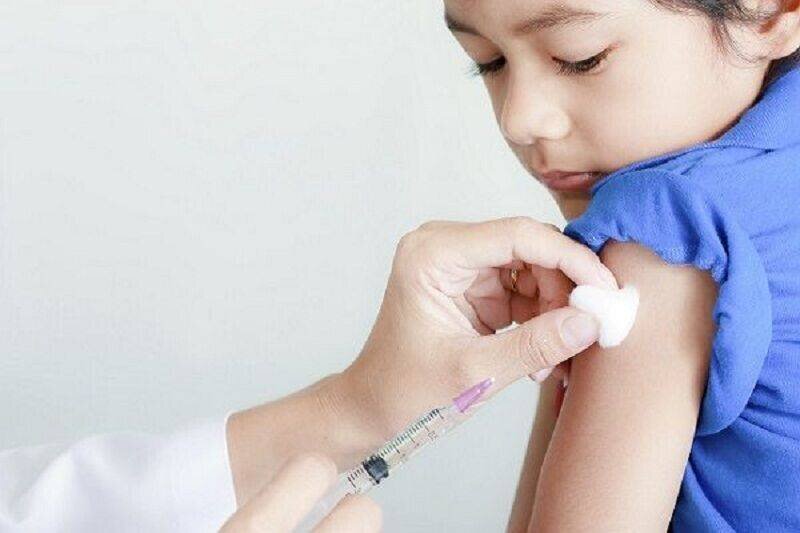
TEHRAN – The health ministry has launched the supplementary round of measles, mumps, and rubella (MMR) vaccination in four high-risk provinces of Khuzestan, Sistan-Baluchestan, Hormozgan, and Kerman.
The supplementary immunization program kicked off on May 3 and will run for two weeks, covering 1.05 million children, IRNA quoted Mohsen Zahraei, an official with the health ministry, as saying.
The vaccine is usually administered at ages 12 and 18 months, but to boost security in high-risk areas, children aged 2-6 years will receive the vaccine. Some 95 percent of the target groups, both Iranian and foreign nationals, are expected to get vaccinated through the program, he added.
Mumps is a highly contagious, vaccine-preventable viral disease caused by the mumps virus. Common symptoms include painful swelling of the jaw, fever, tiredness, appetite loss, and headache. Measles is potentially a deadly disease. Severe complications include pneumonia, diarrhea, blindness, and encephalitis (brain swelling).
The World Health Organization (WHO) verified that Iran has sustained rubella and measles elimination, Alireza Raeisi, an official with the health ministry, said in February.
“Iran, Oman, and Bahrain are the only countries in the region that have received the verification,” IRNA quoted Raeisi as saying.
The measles vaccination program in Iran started in 1984, when 34 percent of the population was vaccinated in the first year and 90 to 95 percent of the population after 6 years. Also in 2003, 33 million people were vaccinated with a national program to eradicate measles in the country.
The official described it as a great achievement of the health system, saying that many European countries have lost WHO’s measles-free status. Measles is still prevalent in West Asia, particularly in the country’s eastern neighbours, such as Turkey, Raeisi added.
This achievement is the result of coordinated planning, widespread vaccination, epidemiologic surveillance, and comprehensive participation of the country’s healthcare system. It is a turning point in improving public health, which will strengthen Iran’s position in achieving goals at the regional and international levels.
High vaccination coverage in Iran
High vaccination coverage in Iran is considered one of the most important accomplishments of the country’s health system, which has led to the control and elimination of many infectious diseases and to the establishment of collective immunity, Mehr news agency quoted Raeisi as saying.
However, regional developments and population shifts underscore the need to maintain immunization programs more than ever, he added.
The official made the remarks on the occasion of the World Immunization Program, being held from April 24 to 30 under the theme ‘For every generation, vaccines work’.
Elaborating on the country’s health system’s achievements, the official said during the 40-day US-Israeli war, a total of 164,000 children received their needed vaccinations.
Despite all restrictions and difficult situations of the imposed war, the health ministry did not fail to provide public health services, which highlights the dedication, tireless efforts, and unwavering commitment of health staff.
The national vaccination program in Iran includes 13 vaccines, and the country is following developed countries with an average of 17 vaccines in their national vaccination programs, Mostafa Qanei, the secretary general of the Biotechnology Development Headquarters, said in January.
Knowledge-based companies are operating to produce the four vaccines that are not included in the national vaccination program, he added.
Uterus, influenza, meningococcus and pneumococcal conjugate are the four vaccines that have not been produced domestically.
MT/MG
Leave a Comment