Minab school tragedy to be enshrined in national and global memory
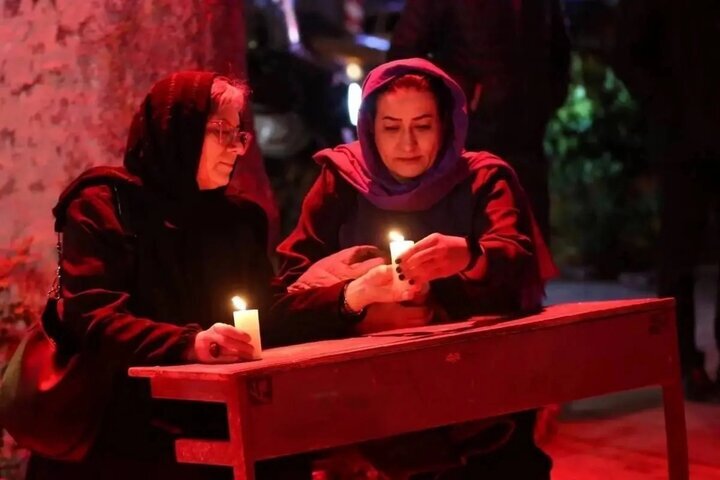
TEHRAN - Iran’s minister of cultural heritage, tourism and handicrafts said on Saturday that authorities are mobilizing the country’s full cultural capacity to transform the Minab school tragedy into a lasting national and international memory, outlining plans for a broad campaign spanning arts, media, education and legal action.
Seyyed Reza Salehi-Amiri described the incident involving students at a girls’ school in the southern city of Minab as a case that must move beyond a “temporary response” and be institutionalized within Iran’s collective historical consciousness.
“This event must become a lasting phenomenon in the mind of both Iranians and the global public,” he said. “Our objective is to shape a global consensus around this crime and ensure it is recorded and stabilized within international legal frameworks and cultural discourse.”
The announcement comes amid heightened scrutiny of the circumstances surrounding a US-Israeli attack on the Shajareh Tayyebeh School on Feb. 28. , which resulted in the deaths of more than 150 students.
The minister said preliminary research groups had already been formed to develop a comprehensive narrative framework for what he described as a national project. Plans include establishing a dedicated museum for the victims, producing urban memorials, and documenting eyewitness accounts.
Authorities also intend to commission a wide range of cultural productions, including feature films, music, literature, poetry, animation and visual media, aimed at embedding the story across generations.
Salehi-Amiri emphasized that responsibility for the initiative would not rest with a single institution. Instead, he called for the formation of a national task force involving cultural, artistic, educational and media bodies to coordinate efforts and ensure what he termed a “division of national labor” in preserving the narrative.
“We must utilize all cultural tools available,” he said, pointing to measures such as naming streets and public squares after the victims, incorporating the subject into school curricula and textbooks, and developing media products capable of engaging younger audiences.
He added that the government aims to integrate the memory of the victims into everyday life, ensuring their names and images are continually reproduced across public spaces, educational institutions, digital platforms and cultural events.
A Reuters investigation found that the school had maintained a visible online presence for years prior to the strike, including photographs of students and activities, raising questions about how targets were selected.
Satellite imagery dating back to at least 2018 showed features consistent with a functioning school, while archived versions of its website displayed images of students in classrooms and at play.
The online footprint has prompted questions among analysts about the vetting of strike locations. Reuters previously reported that investigators at the US Defense Department believe American forces were responsible for the attack and that outdated targeting data may have been used.
Footage reviewed by Reuters and analyzed by munitions experts suggested the weapon used was likely a Tomahawk cruise missile, though one expert said a glide bomb could not be ruled out.
Iran has condemned the strike as a violation of international law and has called for accountability through global legal mechanisms.
Salehi-Amiri said legal and media follow-ups at the international level would form a parallel track to cultural initiatives, aimed at ensuring the case gains traction beyond Iran’s borders.
He also highlighted the role of the Iranian diaspora, saying expatriate communities could help amplify the narrative globally through cultural diplomacy.
“The cultural capacity of Iranians abroad can play a significant role in shaping a global narrative of this tragic incident,” he said.
Salehi-Amiri concluded that embedding such events in historical memory requires sustained effort, continuous narrative production and a constant presence in public discourse.
“We are determined to make the tragedy of the Minab school victims part of the historical memory of contemporary Iran,” he said.
AM
Leave a Comment