Seoul in heart of Tehran: Korean embassy celebrates International Museum Day with rich cultural show

TEHRAN – On Monday, May 18, the Embassy of the Republic of Korea in Iran hosted a remarkably engaging, fruitful, and richly informative cultural event at its premises in Tehran in commemoration of International Museum Day. The gathering brought together Iranian museum and art gallery officials, diplomats, and cultural enthusiasts for a celebration of shared heritage and future cooperation.
Opening with poetry and warmth
The event began with an opening speech delivered by Dr. Ohk Nara, First Secretary of the embassy and Director of the King Sejong Institute Tehran. In a moving gesture of cultural harmony, Dr. Ohk opened the proceedings by reciting a Korean poem translated into Farsi, setting a tone of mutual respect and artistic appreciation.
Following this, His Excellency Mr. Kim Junpyo, the South Korean Ambassador to Iran, delivered his welcoming speech. The full text follows:
"I consider it very meaningful to be here with the officials of Iran’s museums and art galleries today on the occasion of International Museum Day. I believe that museums and art galleries are not merely spaces for preserving artifacts from the past, but rather spaces that connect the wisdom of the past with today’s lives and where new ideas for the future are born.
In 2022, the International Council of Museums redefined the role of museums, expanding it beyond collection, preservation, and exhibition to include service to society, communication with the public, and diversity and inclusion. Amidst this trend, our Embassy has been carrying out various cultural activities to bring culture closer to more people. In particular, the Embassy’s mobile mini-museum, the ‘Korean Culture Box,’ originated from the idea that museums should no longer remain confined to specific spaces but can go directly to where people are.
Korea and Iran have already been cooperating in the field of cultural heritage, such as through the signing of a cooperation MOU between the National Museums of Korea and Iran. However, we look forward to further expanding exchanges and cooperation between the museums and art galleries of both countries. In particular, we hope that the National Art Collection of Iran and the National Folk Museum of Korea, who have graced this occasion with their presence, will serve as new links in Korea-Iran cultural exchange.
I hope that today’s gathering will be a meaningful time to share stories of Korean and Iranian culture and museums, enjoy the harmony of K-Food, Shishlik, and Juje Kebab, and explore new possibilities for cultural exchange between the two nations. Thank you."
A museum’s gift to Iran: Korean Culture Box
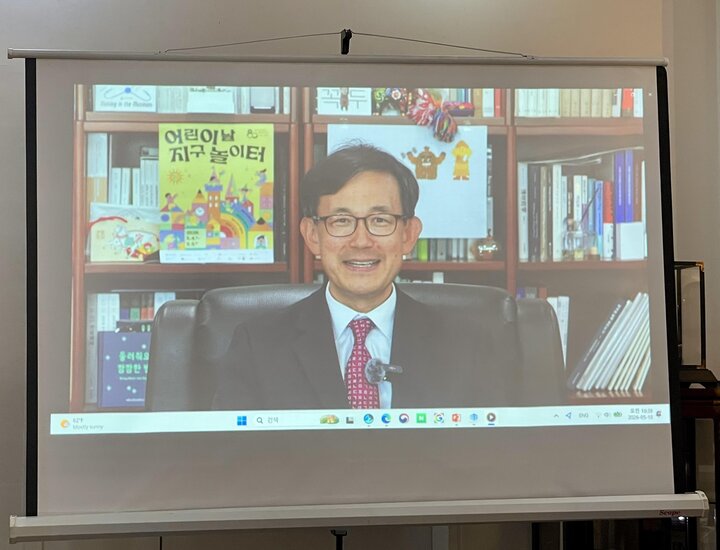
A video congratulatory message was then played from Dr. Jang Sanghoon, Director of the National Folk Museum of Korea. The text of his speech read:
"I extend my deepest gratitude to the citizens of Tehran for visiting this special event introducing Korean culture in celebration of International Museum Day. I am Jang Sang-hoon, Director of the National Folk Museum of Korea in Seoul. The 'Korean Culture Box' that our museum sent to Tehran in 2024 is a 'small museum.' It consists of four boxes: one introducing the Sarangbang (a men's space) and Anbang (a women's space) in traditional Korean society, and another introducing Hanbok (traditional Korean clothing) and Hangeul (Korea's unique writing system).
Prepared to comprehensively introduce the representative aspects of traditional Korean culture, this box demonstrates the unique characteristics of Korean culture while simultaneously showcasing the universality of human culture. I believe that the recent attention Korean culture has garnered from the people of Iran and around the world is the result of the shared appreciation for both the individuality and universality of Korean culture.
This small museum is a modest gift to the people of Iran who love Korean culture. I believe that the path to leading human society toward shared prosperity begins with understanding and respecting each other's cultures. I sincerely hope that this small gift will foster curiosity and affection for each other’s cultures among the people of both Korea and Iran.
The National Folk Museum of Korea aims to be a window open to the world, demonstrating interest in and understanding of universal cultures based on an understanding of Korean culture. Through this, we hope that the National Folk Museum will serve as a window for Koreans to look into world culture and for foreigners to look into Korean culture. We hope it will become a venue that promotes mutual understanding by allowing various global cultures to harmonize and communicate. It is clear that understanding the culture of Iran, which possesses a long historical and cultural tradition, is an important task for our museum. I sincerely hope that today's event will contribute to the journey of active exchange and understanding that Korea and Iran will embark upon.”
Museums as bridges in a divided world
Next, a congratulatory message was delivered from Dr. Park Mee-Jung, Chairperson of ICOM Korea. The text follows:
"Distinguished officials from the National Museums and Art Galleries of Iran, and Ambassador of the Republic of Korea to Iran and all officials from the Cultural Attaché,
Today, May 18, 2026. I am delighted to be here to mark the 45th anniversary of International Museum Day. I send my heartfelt greetings from Seoul.
On May 15, ICOM Korea held an academic lecture and joint academic conference at the Grand Auditorium of the National Folk Museum of Korea. The theme was 'Museums Uniting a Divided World: Museums as Bridges.' Experts from museums and art galleries gathered for a day to explore together how to realize communication, inclusion, and peace, transcending differences of generation, class, culture, and region. This is not merely the slogan adopted by ICOM this year, but a question we all ask ourselves: What will the museum connect, and how?
This year also marks Following Dr. Ohk’s presentation, the floor was opened for a question-and-answer session, during which the audience eagerly engaged with the insights shared on Korea’s museum success and Iran’s cultural potential. 80th anniversary of the founding of ICOM. Eighty years ago, museum professionals joined hands across borders. In today's world, where division and distrust are deepening, that spirit returns as an even more urgent question.
I would like to extend my special respect to you. To the museum and art gallery officials in Iran who, despite difficult circumstances, protect culture, preserve memories, and keep the doors of exchange open—your dedication is the most truthful answer to the question, 'What does a museum connect?' We are aware of your work. We are deeply grateful and deeply respectful.
ICOM Korea will take the lead in bridging a divided world. Korea and Iran are geographically far apart. However, they are nations that share a long history of civilization. When the museums of our two countries reach out to one another, the bridge built between them is not light. That is also the original spirit with which museum professionals joined hands across borders 80 years ago.
I hope that today's meeting will serve as the first step of that bridge.”
A virtual tour of Korea’s world-class museums
Following the speeches, attendees embarked on a "Virtual Visit to Korea's Museums," guided by Dr. Ohk. Notably, the National Museum of Korea ranked third in the world for visitor numbers in 2025, surpassing the British Museum and New York’s Metropolitan Museum of Art, according to industry data.
The South Korean museum drew 6.5 million visitors in 2025 — a 70 percent increase from the previous year — reported The Art Newspaper in its annual visitor survey. The National Museum of Korea trailed only the Louvre in Paris (9 million visitors) and the Vatican Museums (6.9 million). The British Museum placed fourth with 6.4 million visitors, followed by the Metropolitan Museum of Art with 5.98 million.
Other South Korean museums placed in the global top 100, including the National Museum of Modern and Contemporary Art, Seoul, at No. 35; the Gyeongju National Museum at No. 39; and the Buyeo and Gongju national museums at Nos. 78 and 89, respectively.
During the virtual visit, Dr. Ohk explained three key reasons for the surge in visitor numbers, along with insights and the potential for Iran to grow its own richly endowed cultural assets into globally ranked museums.
Following Dr. Ohk’s presentation, the floor was opened for a question-and-answer session, during which the audience eagerly engaged with the insights shared on Korea’s museum success and Iran’s cultural potential.
Mini Museum comes to life
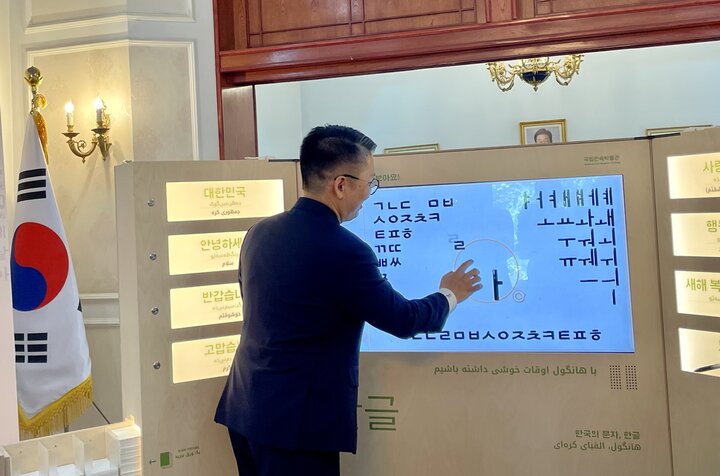
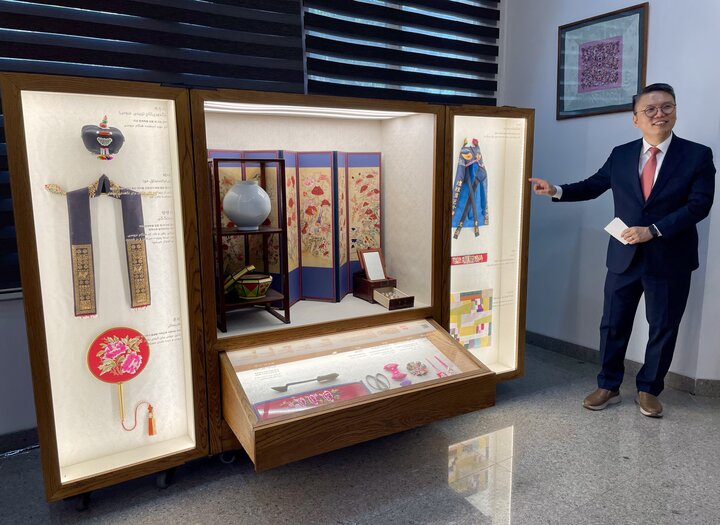
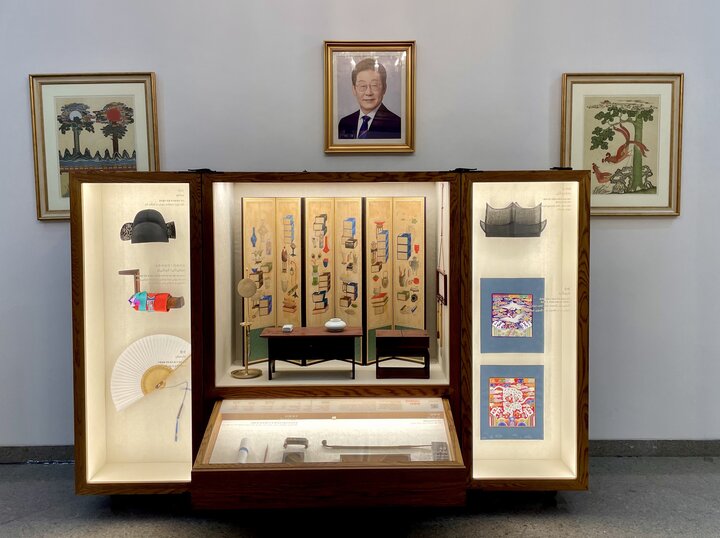
Dr. Ohk then presented the Korean Cultural Boxes — the so-called "Mini Museum" — featuring four sections:
1. Korean Language
2. Korean Room for Women (Anbang)
3. Korean Room for Men (Sarangbang)
4. Hanbok (traditional Korean clothing)
A taste of Korea
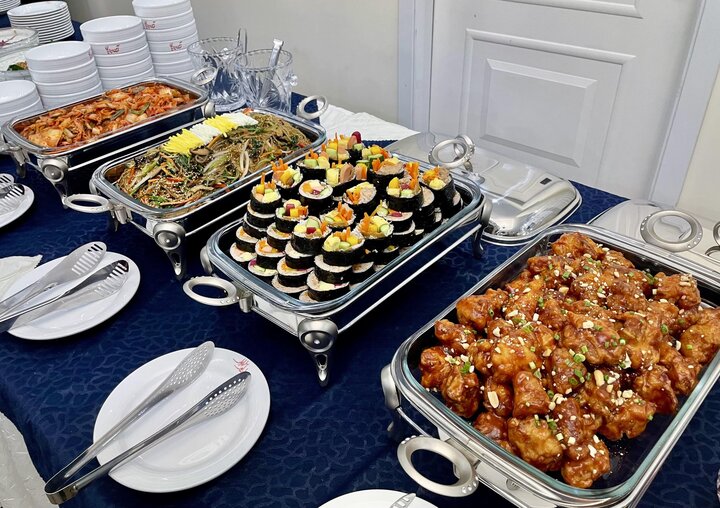
The cultural immersion continued with a traditional Korean lunch, featuring:
· Kimchi
· Kimbap
· Dakgangjeong (sweet and crispy Korean fried chicken)
The event concluded with a group photo and the presentation of gifts to the guests — a warm and gracious end to a day of deep cultural connection. From poetry and museum rankings to traditional costumes and shared meals, the Embassy of the Republic of Korea successfully built yet another bridge between Seoul and Tehran, honoring the past while planting seeds for a vibrant, collaborative future between the two ancient civilizations.
Leave a Comment