Youth: driving force for progress in martyred Leader’s thought
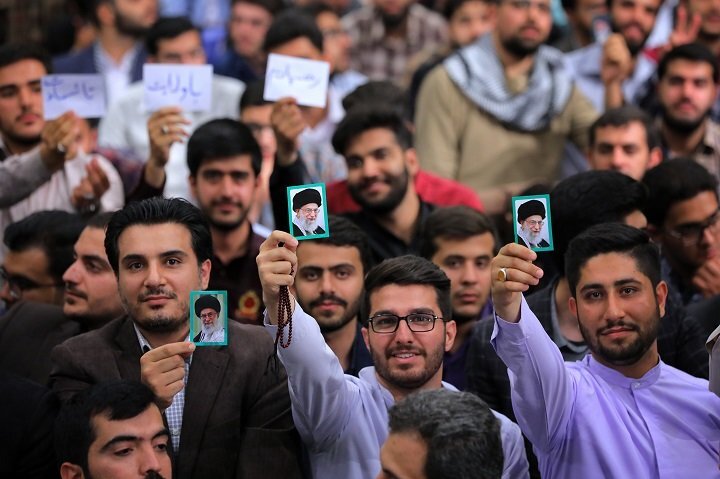
TEHRAN - In the thought of the martyred Leader of the Islamic Revolution, Ayatollah Seyed Ali Khamenei, young people are not merely a demographic group; they are regarded as the country's greatest national asset and the primary driving force behind Iran's progress.
His emphasis on trusting the younger generation, fostering self-confidence, encouraging responsibility, and expanding youth participation in scientific, cultural, and managerial fields reflects a vision that places the nation's future in the hands of its youth.
In the martyred Leader's statements, young people are described as the embodiment of "real hope," "national asset," and the "engine of progress." These descriptions are not merely rhetorical; rather, they present a coherent vision of the younger generation's role in safeguarding the ideals of the Islamic Revolution and advancing the future of the Islamic-Iranian civilization.
He considered Iran's large youth population an exceptional opportunity for national development and prosperity, emphasizing that any country that invests in its young people is more likely to achieve significant progress. From this perspective, youth constitute the country's most valuable social asset and the cornerstone of building a modern Islamic civilization.
The martyred Leader also referred to young people as the "driving engine" of the nation's forward movement, arguing that the dynamism and vitality of society depend on the energy, creativity, and initiative of its youth. Without their active participation in scientific, economic, political, and cultural spheres, the country's overall progress would inevitably slow.
At the same time, he warned that hostile powers seek to distance young people from their religious and revolutionary identity and undermine their confidence in the future and in the Revolution.
He repeatedly expressed pride in the ability of Iranian youth to preserve their religious identity despite extensive Western cultural influence, describing this identity as both a deeply held conviction and a protective shield against foreign cultural penetration and efforts to erode Islamic values.
According to the martyred Leader, young people possess unique qualities—including abundant energy, optimism, innovation, creativity, and a spirit of resistance to arrogance and domination—that enable them to overcome the nation's greatest challenges and open new horizons for society.
One of his central messages to the younger generation was the importance of self-belief and national self-confidence. He maintained that the Islamic Revolution had revived confidence among Iranian youth and that preserving and strengthening this spirit was a historic responsibility. In his view, young Iranians should believe in their own capabilities and recognize that they are capable of reaching the highest levels of scientific, technological, and cultural achievement.
He also described the country's scientific and athletic champions as symbols of hope, hard work, and national achievement. Their success in international scientific Olympiads and sporting competitions, he believed, strengthens public morale, inspires confidence, and serves as an effective response to the psychological warfare waged by Iran's adversaries.
Overall, the martyred Leader of the Islamic Revolution viewed the younger generation through a comprehensive, strategic, and deeply optimistic lens. He regarded young people not only as the hope of Iran's future but also as the nation's most important asset and the driving force of its present.
By advocating trust in youth, entrusting them with major responsibilities, and warning against external attempts to influence them, he outlined a roadmap in which the younger generation would lead the country's comprehensive development and play a central role in realizing a modern Islamic civilization.
Leave a Comment