Developing trade with Africa depends on market understanding: official
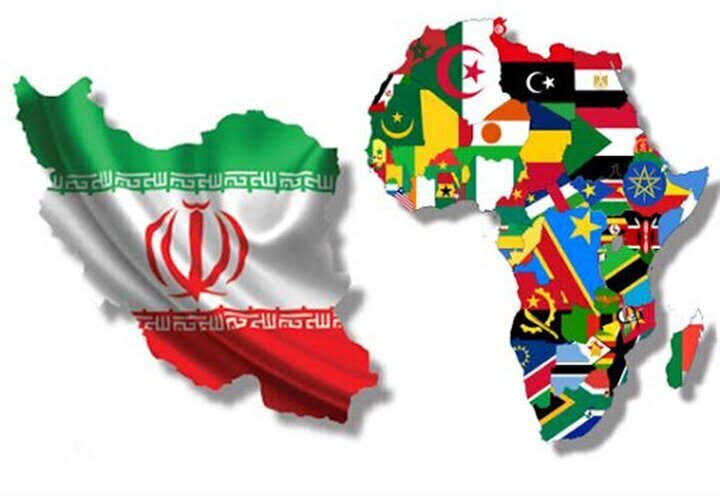
TEHRAN- The Director General of Africa Desk at the Ministry of Foreign Affairs emphasized the development of trade diplomacy between Iran and Africa and stated: "Cooperation priorities are determined based on indicators such as economic capacities, mutual needs, the level of political relations, the potential for developing trade and investment cooperation, and the readiness of the other party to expand relations."
In recent years, the African continent has transformed from a lesser-known market into one of the most important emerging destinations for global trade; a market with over 1.5 billion people, rapid urbanization growth, infrastructure development, and increasing demand for goods and services, which presents extensive opportunities for exporters.
At a time when diversifying export markets has become a necessity for Iran's economy, developing economic relations with African countries can, while reducing dependence on traditional markets, open a new path for increasing non-oil exports and expanding trade cooperation. For this reason, the country's economic diplomacy has paid special attention to this continent in recent years, and the holding of Iran-Africa conferences and provincial specialized meetings is pursued within this framework.
In the meantime, the new approach of the diplomatic apparatus is based on utilizing the capacities of various provinces for a targeted presence in African markets; a model that, instead of holding ceremonial meetings, focuses on identifying the real advantages of each province, establishing direct communication between Iranian economic activists and African countries, and defining joint trade projects.
On this basis, Yazd province has been selected as the first model of this approach and, relying on its history of exporting various products such as tiles and ceramics, building stone, textile industries, food industries, technical and engineering services, as well as the capabilities of knowledge-based companies in the field of solar energy, it is trying to increase its share of the growing African market. Officials believe that the most important obstacle to developing trade with this continent is not merely sanctions, but a lack of knowledge about the markets, laws, and trade partners, and strengthening trade ties and creating cooperation networks can pave the way for increasing Iran's economic exchanges with African countries.
In this regard, Akbar Khosravinejad, Assistant Minister and Director General of Africa Desk at the Ministry of Foreign Affairs, in an exclusive interview with IRNA, discussed the importance of holding this summit and examining various issues, including providing a set of infrastructure and requirements in the areas of transportation, banking communications, insurance, logistics, and understanding African markets, which are as follows:
Despite the efforts made, Africa's share of Iran's foreign trade is still limited; what do you see as the most important obstacle in this area: lack of knowledge of the target market or the lack of financial and logistical infrastructure for exports?
The reality is that developing trade with African countries requires a set of infrastructures and requirements to be in place, and one cannot point to a single factor as the main obstacle. Market knowledge, transportation, banking communications, insurance, logistics, and the continuous presence of economic activists all go hand in hand, and each has its own importance. However, if we must emphasize one issue, it is the knowledge of African markets. Africa is not a single market but comprises 54 countries with different economic conditions, laws, business cultures, and needs. The more economic activists know about these capacities, the greater their chances of successful and sustainable presence. The Ministry of Foreign Affairs, within its mandate, tries to use the capacity of the Islamic Republic's representations, hold numerous meetings with private sector activists, and pursue specialized meetings for better market understanding, facilitating communication and cooperation, while simultaneously following up on trade infrastructure issues in coordination with relevant bodies.
What plans does the Ministry of Foreign Affairs have to remove these obstacles and facilitate trade for the private sector?
Khosravi Nejad: One of the priorities of the country's economic diplomacy is to support the effective presence of the private sector in target markets. In this regard, the Ministry of Foreign Affairs, in cooperation with economic agencies, uses the capacity of embassies, joint commissions, trade delegations, specialized meetings, and communication with chambers of commerce to identify opportunities and establish connections among economic activists. The consultative meeting on the economic cooperation of Yazd province and Africa is also being held in this framework. The goal of this meeting is to establish direct communication among economic activists, introduce mutual capacities, and define practical cooperation fields so that the private sector can enter African markets with greater knowledge and confidence.
Why was Yazd chosen as a pilot province for economic diplomacy with Africa?
Yazd province has significant capacities in areas such as mining industries, steel, tiles and ceramics, textiles, technical and engineering services, new energies, and knowledge-based companies, and its private sector also has valuable experience in export activities. The Ministry of Foreign Affairs aims to purposefully utilize the capacities of the provinces for the development of the country's economic diplomacy. Accordingly, Yazd has been considered as one of the provinces with high potential for developing cooperation with African countries, and we hope the experience of this cooperation will pave the way for further utilization of the capabilities of other provinces.
Which African countries are a priority for Iran's economic cooperation?
The African continent has high economic and geographical diversity, and for this reason, the policy of the Islamic Republic of Iran is based on a balanced view of different regions of this continent. Cooperation priorities are determined based on indicators such as economic capacities, mutual needs, the level of political relations, the potential for developing trade and investment cooperation, and the readiness of the other party to expand relations. In this framework, important countries in East, West, North, and South Africa are on the agenda for economic cooperation, and efforts are made to develop joint cooperation according to the capacities of each country.
Given the competition from countries like China and Turkey, what plans do you have to find capable and permanent trading partners?
Competition in the African market is a reality, and successful presence in this market requires long-term planning, accurate market knowledge, and establishing sustainable relationships with local partners. The diplomatic missions of the Islamic Republic of Iran in African countries, while identifying economic opportunities, try to provide the ground for connecting Iranian companies with reliable partners. Furthermore, holding business meetings, exchanging economic delegations, and developing communication between chambers of commerce are among the measures that will contribute to the formation of sustainable cooperation between the private sectors of both sides. Of course, in this regard, I should mention the annual Iran-Africa conference, which provides a good capacity for networking and establishing trade communications for our country's economic activists with Africa.
MA
Leave a Comment