Export terminals, effective infrastructure in facilitating, expanding non-oil exports
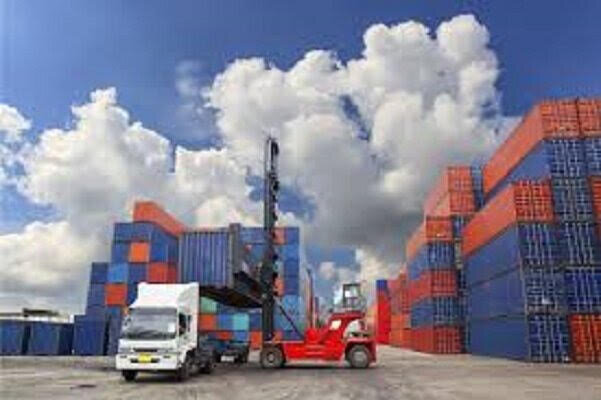
TEHRAN- Based on the approvals of the Cabinet of Ministers in various periods and in accordance with relevant upstream documents, export terminals have been defined as one of the infrastructures for the country's export development.
Requests to establish these terminals are first reviewed in the export development working groups of the provinces, and after confirming the eligibility and capability of the applicant, they are sent to the Trade Promotion Organization of Iran for final review.
According to the Public Relations Department of the Trade Promotion Organization of Iran, export terminals, as one of the important infrastructures in the path of developing the country's non-oil exports, play an effective role in facilitating export processes, improving productivity, and increasing the competitiveness of economic actors.
By aggregating and providing a set of specialized export services in a single complex, these terminals provide the ground for organizing the export process, improving packaging quality, developing marketing, and facilitating exporters' access to needed services.
Based on the approvals of the Cabinet of Ministers in various periods and in accordance with relevant upstream documents, export terminals have been defined as one of the infrastructures for the country's export development. Requests to establish these terminals are first reviewed in the export development working groups of the provinces, and after confirming the eligibility and capability of the applicant, they are sent to the Trade Promotion Organization of Iran for final review.
In terms of nature and function, export terminals are fundamentally different from border bazaars and border terminals. Border bazaars and border terminals, which mainly operate at zero-border points, are subordinate to the Ministry of the Interior and are considered part of the governance infrastructure; therefore, it is not possible to transfer their management to the private sector. In contrast, export terminals, as specialized infrastructures in the export field, can be transferred to and managed by the private sector.
In these terminals, a set of services including export management, aggregation and categorization of goods, standard packaging, export marketing, and the execution of export processes are provided in an integrated complex. This approach, by reducing the dispersion of services, facilitating export processes, and improving the quality of service delivery to exporters, can play an effective role in the development of the country's non-oil exports.
The process of issuing licenses for export terminals began in 2004 and, to date, approximately 50 licenses have been issued in this field. In the year 1404, 14 licenses for the operation of export terminals were renewed and 3 new licenses were issued.
Accordingly, during the current year, actions related to issuing or renewing licenses have been carried out for a total of 17 export terminals.
Also, the Trade Promotion Organization of Iran, in order to facilitate, expedite, and streamline the provision of services to applicants, has placed the full digitalization of the export terminal licensing process on its agenda.
Based on this plan, after the necessary infrastructure is provided, applicants will be able to upload the required documents and evidence online and complete all stages of review, license issuance, or notification of the application result electronically, without the need for in-person visits.
The implementation of this plan, while reducing the time and costs associated with the licensing process, can help increase transparency, facilitate applicants' access to services, and expedite the establishment and development of export terminals in the country; an action that is ultimately pursued to strengthen export infrastructure and support the development of the country's non-oil exports.
EF/MA
Leave a Comment