Cheetah conservation plan revised with focus on reducing human threats
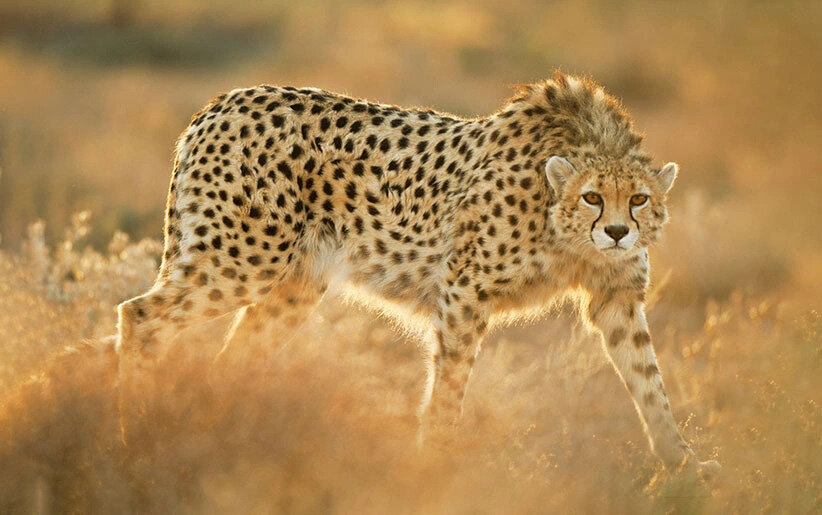
TEHRAN - The Department of Environment has revised the national cheetah conservation program with the participation of experts, academics, rangers and non-governmental organizations, with reducing human-induced threats and strengthening habitat protection identified as top priorities.
Hamid Zohrabi, the DOE deputy head for natural habitats and biodiversity, said measures being pursued to improve cheetah protection in natural habitats include controlling free-ranging livestock and camels, monitoring waterholes, preventing hunting and strengthening field surveillance.
He also identified road safety measures as a key component of efforts to reduce cheetah fatalities. Among other measures included in the conservation program are strengthening the national database, expanding the use of camera traps and promoting participatory conservation initiatives involving local communities, IRIB reported.
He made the remarks on the occasion of the ‘National Cheetah Day’ celebrated annually on August 31 to raise awareness about the significance of safeguarding and increasing the existing population of Asiatic cheetahs in the country.
Commenting on the latest situation at the cheetah captive-breeding site, he said that although young females had displayed appropriate mating behavior, no births were recorded at the facility during the past breeding season. He attributed this in part to the young age of the females.
He stressed that the primary approach is to conserve cheetahs in their natural habitats, adding that breeding efforts are being pursued alongside habitat protection and measures to reduce the threats endangering the species’ survival.
Once roaming vast plains from West Asia into India, the Asiatic cheetah is now found only in Iran. Since 2001, around 85 cheetahs have died because of human-related factors, indicating we have posed a greater threat to their survival than nature.
Listed as one of the most critically endangered big cats in the world, saving the Asiatic cheetah from extinction has turned into a shared responsibility.
The latest report by the Department of Environment (DOE) has shown that there are 26 Asiatic cheetahs in the country, with 20 individuals living in the wild, and six in captivity.
According to the head of the DOE, Shina Ansari, the extinction of the world’s rarest cat has become a symbol of our challenges and responsibilities towards Iran’s nature.
Preserving cheetahs is not merely an environmental concern. It is a symbol of the country’s ecosystem’s health, a life-balance preserver. Protecting the cheetah means ensuring the right to life for people and nature.
The DOE makes its best efforts to preserve endangered animals. However, the goal will be fulfilled only by the participation and involvement of people, media, responsible institutions, and nature lovers.
According to the latest report by the International Union for Conservation of Nature (IUCN), some 154 species of Iranian vertebrates are critically endangered of extinction.
In May 2025, President Masoud Pezeshkian issued an order, obligating the DOE to develop a strategic plan to preserve endangered species in the country.
The DOE has already developed action plans for the conservation of 25 endangered species, and the plans are being implemented in the country. It is also planning to organize a committee for the preservation of critically endangered species, including cheetahs, black bears, and great bustards.
Currently, about 128 species of animals and vertebrates in the country are at risk of extinction, some of which are not in good condition, and amphibians are the most vulnerable in this area. Persian zebra, Asiatic cheetah, black bear, and yellow deer are in danger of extinction.
A comprehensive and operational plan in the field of the environment is needed to cover different environmental sectors. It must include goals, assumptions, operational measures, financial resources, and results.
Leave a Comment