Iran to add 3,800 MW of thermal power capacity to national grid
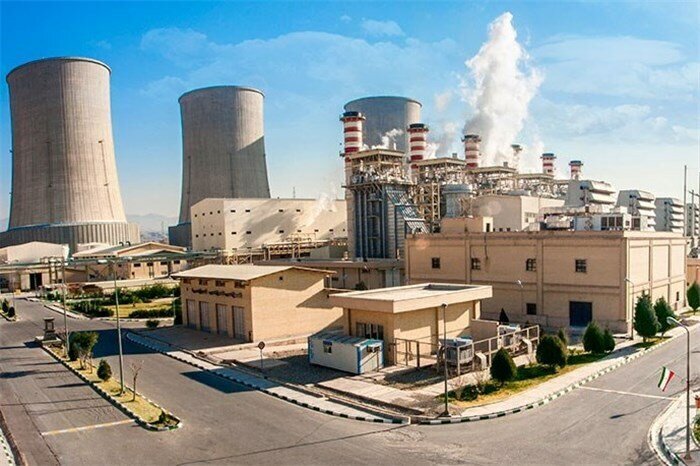
TEHRAN – Iran plans to add 3,800 megawatts of new thermal power generation capacity to its national grid in the next Iranian calendar year (begins late March 2027), as the electricity sector faces financial pressures that threaten investment in infrastructure, a deputy energy minister said.
Mostafa Rajabi-Mashhadi, deputy energy minister for electricity and energy affairs, said the gap between regulated electricity tariffs and the actual cost of supply was increasing the sector’s outstanding receivables and debts while reducing its capacity to finance infrastructure development.
Without sustainable funding to offset the shortfall, the situation could further weaken investment, while covering the gap through the public budget could put additional pressure on government finances and widen the budget deficit, he said, according to IRIB.
Rajabi-Mashhadi said gradual electricity pricing reform, targeted support for vulnerable households and expansion of competitive electricity markets were among the measures needed to improve the sector’s financial sustainability and encourage new investment.
Industries to play a growing role in power generation
Of the 3,800 MW of thermal power capacity expected to come online next year, the capacity being developed by industries for their own electricity needs will be about twice that of new power units being built by the Energy Ministry, Rajabi-Mashhadi said.
The figures reflect the growing role of industrial companies in investing in electricity generation to meet domestic demand, he added.
He also highlighted the expansion of electricity trading on the Energy Exchange as a way to improve price transparency, facilitate transactions and strengthen incentives for investment and consumption management. Deepening the market could help bring electricity supply and demand into closer balance, he said.
Smart meters to support demand management
Rajabi-Mashhadi said the rollout of smart electricity meters was another key element of demand management, allowing more accurate monitoring of consumption and more effective implementation of tariff policies.
The meters also enable authorities to control the power consumption of high-use customers within established regulations, a measure that could help curb excessive demand and ease pressure on the grid during peak hours.
The Energy Ministry aims to encourage public participation in managing electricity consumption, he said. Customers who keep consumption within prescribed limits will benefit from incentives, while high-use customers are encouraged to adjust their consumption patterns and pay for electricity consumed above the prescribed level at rates reflecting its supply cost.
Power sector prepares for winter supply pressures
Rajabi-Mashhadi said fuel supplies for power plants were entering a critical period ahead of winter. Although stocks of liquid fuel at power plant storage facilities were at satisfactory levels, constraints on natural gas supplies and rising seasonal demand could make it more difficult to secure enough gas for power generation.
He said the electricity sector needed to be fully prepared for the critical 100-day winter period to ensure reliable energy supplies.
Achieving that goal would require coordination among the relevant sectors to secure fuel supplies, keep power plants operational and encourage all consumers to manage electricity and gas use, he added. The aim is to get through the period with minimal disruption to the country's energy network.
EF/
Leave a Comment