Zanjan province: Medicinal plant cultivation seen as driver of health tourism growth
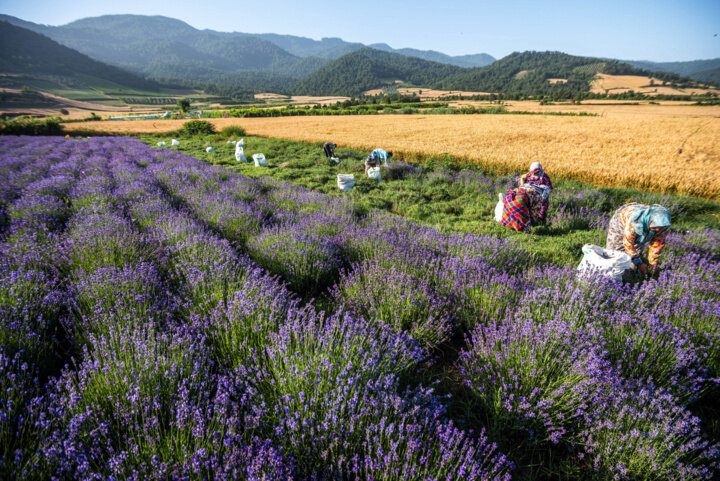
TEHRAN – Expanding the cultivation of medicinal plants in Iran’s west-central province of Zanjan is emerging as a potential driver for health tourism, as officials and experts point to the region’s climatic diversity, natural resources and traditional knowledge as key assets for attracting domestic and foreign visitors.
Local authorities say the development of medicinal plant farming could help link agriculture, traditional medicine and tourism, creating new opportunities for economic growth while promoting natural therapies that are increasingly in demand worldwide.
Zanjan province, which benefits from a “four-season climate”, fertile lands and rich vegetation, has the capacity to cultivate a wide range of medicinal plants, including borage, thyme, lavender, mint, yarrow and chamomile.
Officials say this natural advantage, combined with a longstanding cultural reliance on herbal remedies, could support the creation of health tourism routes where visitors can experience both natural attractions and indigenous healthcare methods.
According to provincial data, 68 plant families comprising 220 species of medicinal plants have been identified in Zanjan, underscoring the region’s biodiversity and its suitability for cultivation and processing.
Authorities report that 600 hectares of land have been allocated to medicinal plant cultivation in the current Iranian crop year, with the area expected to expand further. The initiative follows earlier efforts to diversify agricultural patterns, during which about 1,500 hectares were dedicated to crops such as balangu (Lallemantia), green and black cumin, and Damask rose.
Peyman Haeri, deputy head of plant production improvement at the provincial agriculture organization, said the expansion of medicinal plant cultivation is being actively pursued as part of broader agricultural development strategies.
“These plants have significant health benefits,” Haeri said, noting that balangu contains high levels of omega-3, omega-6 and omega-9 fatty acids, making it a potential natural alternative to dietary supplements.
He added that four support companies are currently operating in the province, assisting farmers with seed supply, cultivation and post-harvest purchasing. The seeds are distributed in a targeted manner to ensure structured and efficient production.
While precise production volumes are not yet available, officials say the sector is gaining momentum, supported by both domestic demand and export potential. Haeri noted that some Iranian factories already process plant extracts for export, while countries such as Germany remain global leaders in medicinal plant production and processing.
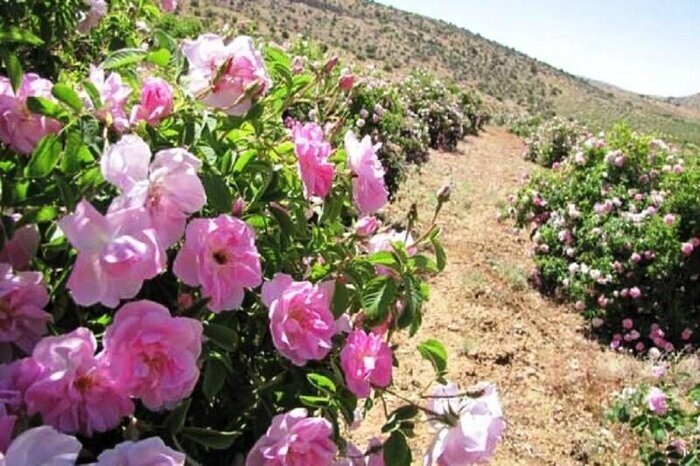
Zanjan is also positioning itself as a producer of high-quality Damask rose and saffron. Haeri said that due to the province’s climatic conditions, particularly cooler nighttime temperatures, the quality of its products may surpass those produced in traditionally renowned regions such as Kashan, Yazd and Khorasan.
In addition to cultivated crops, a wide variety of wild medicinal plants grow in Zanjan’s rangelands, particularly in the northern mountainous areas. These include species such as kakuti, mountain savory, wild thyme, artichoke and various edible herbs. Because many of these plants grow naturally across national lands, officials say it is difficult to provide precise estimates of their volume.
To address water scarcity, authorities are also promoting rain-fed cultivation of medicinal plants. Haeri said a “megaproject for sustainable production” has been launched, targeting 5,000 hectares of rain-fed medicinal plant cultivation this year.
“Due to limited water resources, expansion in irrigated lands will not be pursued,” he said, adding that the focus will be on drought-resistant crops that require minimal water.
Officials say medicinal plant cultivation not only meets local demand but also supports exports. In the case of Damask rose, for example, producers extract rose oil, which commands high prices on international markets due to its concentrated nature.
Behnam Farrokhi, an official with the provincial agricultural extension office, described medicinal plants as a viable alternative to water-intensive crops.
“These plants require little water and are highly resistant to drought,” he said. “They can produce high-quality yields even under harsh conditions, making them economically viable and low-risk for farmers.”
Farrokhi added that cultivating medicinal plants alongside dryland cereals can help reduce soil erosion and improve land management.
According to officials, more than 700 farmers in Zanjan were involved in medicinal plant cultivation last year, reflecting growing interest in the sector.
Manouchehr Karimi, head of horticulture affairs in the province, said Damask rose and saffron account for the largest share of cultivated medicinal plants in Zanjan. The province currently ranks 14th nationally in Damask rose cultivation and 17th in saffron production.
Karimi emphasized the need to expand processing industries, noting that six units are currently active in producing herbal distillates and packaging products. Traditional and semi-industrial rosewater distillation units are also operating in the province.
He said Zanjan’s favorable climate and biodiversity position it as a potential hub for medicinal plant production in Iran, with strong prospects for value chain development.
Out of 1,108 plant species identified in the province’s rangelands, 220 are classified as medicinal, with the majority belonging to the mint, rosaceae and chicory families. About 30 species are currently cultivated on farms.
Officials highlight several economic benefits of expanding the sector, including job creation, export earnings, and value addition through processing and packaging industries.
AM
Leave a Comment