South Korea’s blueprint for a cultural powerhouse; lessons and parallels for Iran
A strategic vision for national growth
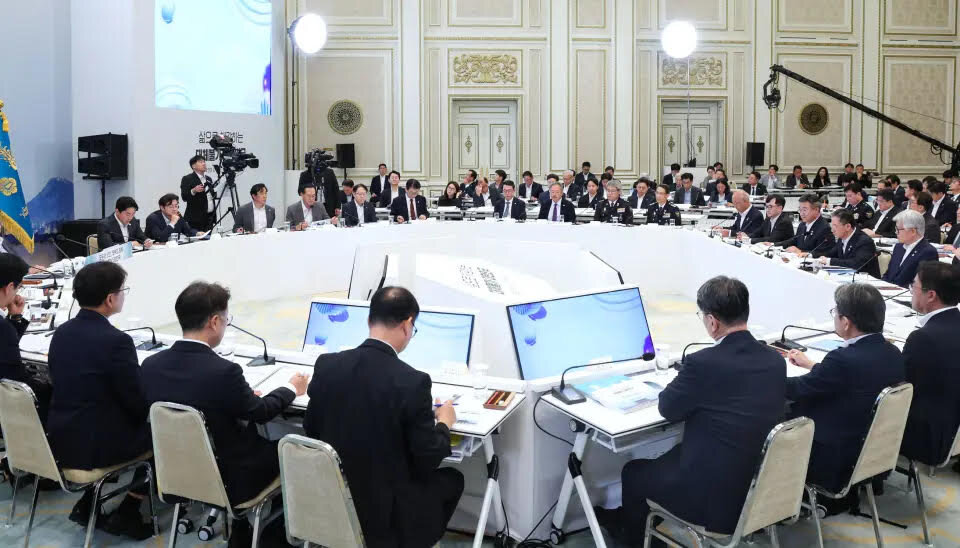
TEHRAN- In a recent policy briefing to President Lee Jae Myung, the South Korean Ministry of Culture, Sports, and Tourism unveiled an ambitious vision to transform Korean culture into a primary national economic engine. The core objective is to lay the groundwork for attracting 40 million annual foreign visitors, a significant leap from the 23 million expected this year. The vision, framed as "revitalizing regions and expanding into the world with K-culture, sports, and tourism," offers a compelling case study for nations like Iran, which possesses a rich cultural heritage but faces challenges in fully leveraging it for economic and soft power growth
- Strategic Priority 1: Fostering the K-Culture Industry as an Economic Engine
South Korea plans to intensively foster its content industries—including publishing, music, games, and film—as a future core economic sector. The plan includes expanding financial support through loans and guarantees and increasing investment in major intellectual properties for the global market. A key policy being finalized is a "holdback" system for films, which would impose a mandatory waiting period between a theatrical release and its debut on streaming platforms to protect cinema revenues and industry health.
Relevance to Iran: Iran, with its deep cinematic history and rich literary and musical traditions, can look to South Korea’s systematic approach. Tehran could consider developing similar support mechanisms for its domestic film and music industries, using a "holdback" system to bolster local cinemas against the tide of international streaming platforms, thereby protecting its unique cultural narrative and local creative talent.
- Strategic Priority 2: Building Infrastructure for a Tourism Surge
To achieve its goal of 40 million visitors, the ministry is planning significant infrastructure upgrades. This includes improving airport, port, and lodging facilities, as well as easing visa regulations. A significant part of this strategy involves developing regional tourism products to draw visitors outside the capital, including plans to build two large multipurpose domed stadiums capable of hosting both sports events and concerts.
Relevance to Iran: Iran's vast historical sites and diverse climates are a major tourist draw, yet the sector is often hampered by infrastructure gaps and regulatory hurdles. South Korea’s focus on easing visa rules and developing regional hubs provides a tangible model. For example, Iran could invest in specialized tourism products around its historic cities (Isfahan, Shiraz) and natural wonders, while upgrading its hospitality infrastructure. South Korea's investment in modern venues to attract global events could inspire Iran to modernize its facilities to host international cultural festivals, a key to showcasing its non-oil economic potential.
- Strategic Priority 3: Supporting Artists and Decentralizing Development
The ministry has committed to improving working conditions for artists, ensuring they have access to social insurance and financial assistance, including livelihood loans. It is also shifting away from traditional public contest funding to a wider variety of support measures. Furthermore, the plan emphasizes making regions outside the greater Seoul area more attractive by expanding cultural and sports facilities and deploying specialists locally.
Relevance to Iran: Like their Korean counterparts, many Iranian artists face economic precarity. The Korean model of providing social insurance and varied financial support could serve as a blueprint for supporting Iran's cultural workers. Furthermore, the policy of decentralizing cultural infrastructure beyond the capital resonates deeply with Iran. While Tehran is a cultural hub, cities like Tabriz, Mashhad, and Shiraz have distinct cultural identities that could be developed as regional cultural capitals to spur local economies and distribute tourism revenue more equitably, mirroring South Korea's strategy.
- Conclusion: A 21st Century Model
South Korea’s plan is a comprehensive strategy to use culture, sports, and tourism as pillars of national prosperity in the 21st century. While Iran has its own unique geopolitical and cultural context, the core principles of investing in creative industries, supporting artists, modernizing tourism infrastructure, and decentralizing development are universally applicable. By analyzing and adapting elements of this model, Iran can leverage its unparalleled cultural wealth to foster economic growth, improve its international standing, and create a more vibrant society for its citizens.
Leave a Comment