Alamut’s World Heritage status opens new chapter for tourism and local growth
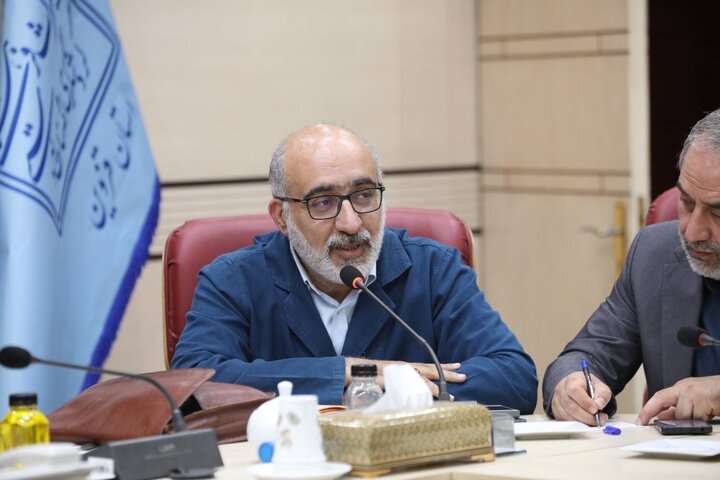
TEHRAN - Alamut region could become a strategic hub for social cohesion, hope, tourism thrive, and local development following its inscription on the UNESCO World Heritage List, a senior official at the Ministry of Cultural Heritage, Tourism and Handicrafts said.
Rouzbeh Kardouni, the ministry’s top adviser and director general of its ministerial office, made the remarks at the first meeting of the Strategic Council for Cultural Heritage, Tourism and Handicrafts of Qazvin province, held at the provincial governor’s office on Saturday.
The meeting brought together Qazvin Governor-General Mohammad Nozari, provincial officials, senior ministry officials, members of the ministry’s Strategic Council, and more than 40 academics, experts and activists in the fields of cultural heritage, tourism and handicrafts.
A major focus of the meeting was the potential of Alamut following its inscription as a UNESCO World Heritage property, with participants emphasizing the need to use the region’s heritage assets as a driver of tourism, local economic development and national identity.
“Alamut will create an important opportunity to introduce the province, attract tourists, boost the economy and promote local development, while it can also be a source of great pride for all Iranians,” Kardouni said.
He added that Alamut’s significance should not be viewed solely through its tourism and economic potential.
“Alamut can, in addition to being an important tourism and economic asset, become a place for social cohesion and social hope,” he said.
Kardouni linked the role of cultural heritage to the need to strengthen social capital, saying that heritage could provide an important platform for greater cohesion and unity at a time when society needs them.
He also pointed to the broader historical significance of Iran’s heritage, saying that Iranian history was not limited to defending territory and identity, but also reflected the country’s traditions of science, skills, creativity and everyday life.
“This heritage can be inspiring and provide guidance for us today,” he said.
Kardouni also highlighted the participation of Hadi Khaniki, an academic and communications and social affairs expert, saying he had been invited to advise on turning the province’s heritage potential into an effective social discourse.
The meeting continued with officials, academics and sectoral activists presenting their views, proposals and concerns. Organizers said the session was intended to mark the beginning of a continuing mechanism for expert consultation and the development of strategies for Qazvin’s cultural heritage, tourism and handicrafts sectors.
AM
Leave a Comment