Total:7
-
2026-05-02 22:20
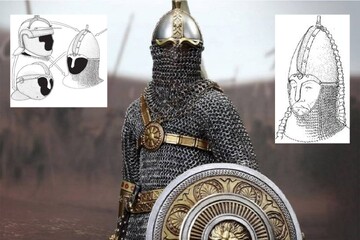
Sassanian Persia’s forgotten victory: The tunnel of death in the Syrian Desert
Beneath the Syrian Desert, the Sassanian Persians engineered a subterranean battle that still raises questions among archaeologists and historians.
-
2026-02-02 17:00
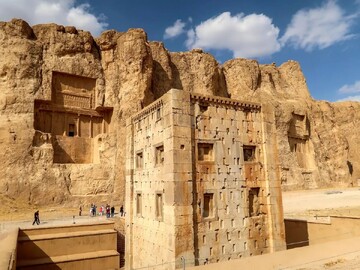
Work on Xerxes I tomb at Naqsh-e Rostam nears completion
TEHRAN – Restoration work on the rock-cut tomb of Achaemenid king Xerxes I is nearing completion after years of conservation efforts, a local official has said.
-
2025-09-14 17:30
Global audiences gain access to Iranian heritage through 24-hour TV
TEHRAN — Meysam Shokripour, manager of Persepolis Internet TV, has said the first 24-hour channel dedicated to UNESCO World Heritage Sites, launched less than a year ago, allows audiences worldwide to access Iranian cultural and historical content, including Persepolis, via mobile phones, computers and smart TVs.
-
2025-08-12 17:35
Sasanian ossuary inscription discovered at Naqsh-e Rostam
TEHRAN – Archaeologists have uncovered a funerary inscription linked to an ossuary from the late Sasanian period at the Naqsh-e Rostam archaeological site in Marvdasht, southern Iran.
-
2025-07-30 21:51
Fourth burial inscription identified in Naqsh-e Rostam
TEHRAN—Abolhassan Atabaki, archaeologist and researcher, gave news of discovery of the fourth burial inscription in the area of Naqsh-e Rostam in Marvdasht, Fars province, saying that the inscription is related to an ossuary, a container or repository for the bones of the dead, from the late Sassanid era and has very beautiful decorations.
-
2025-06-27 21:49
Triumph of ancient civilization of Iran over enemies depicted on huge billboard in Shiraz
Tehran – A new large billboard at Imam Hussein (AS) Square in Shiraz, Fars Province, tells the story of the triumph of the ancient civilization of Iran, whether it be over the Roman Emperor Valerian about a millennium ago or the Zionist aggressors in the modern day.
-
2025-05-25 17:40
Land subsidence threatens Achaemenid sites in southern Iran
TEHRAN - Experts have raised alarms over accelerating land subsidence near two of Iran’s most iconic archaeological sites – Naqsh-e Rostam, the necropolis of the Achaemenid kings, and Persepolis, the UNESCO-registered ceremonial capital of the Achaemenid Empire – as unsustainable agricultural practices continue in the fertile plains of Fars province.