Youssef Raggi’s diplomatic derailment
When will Lebanese leadership restore institutional discipline?
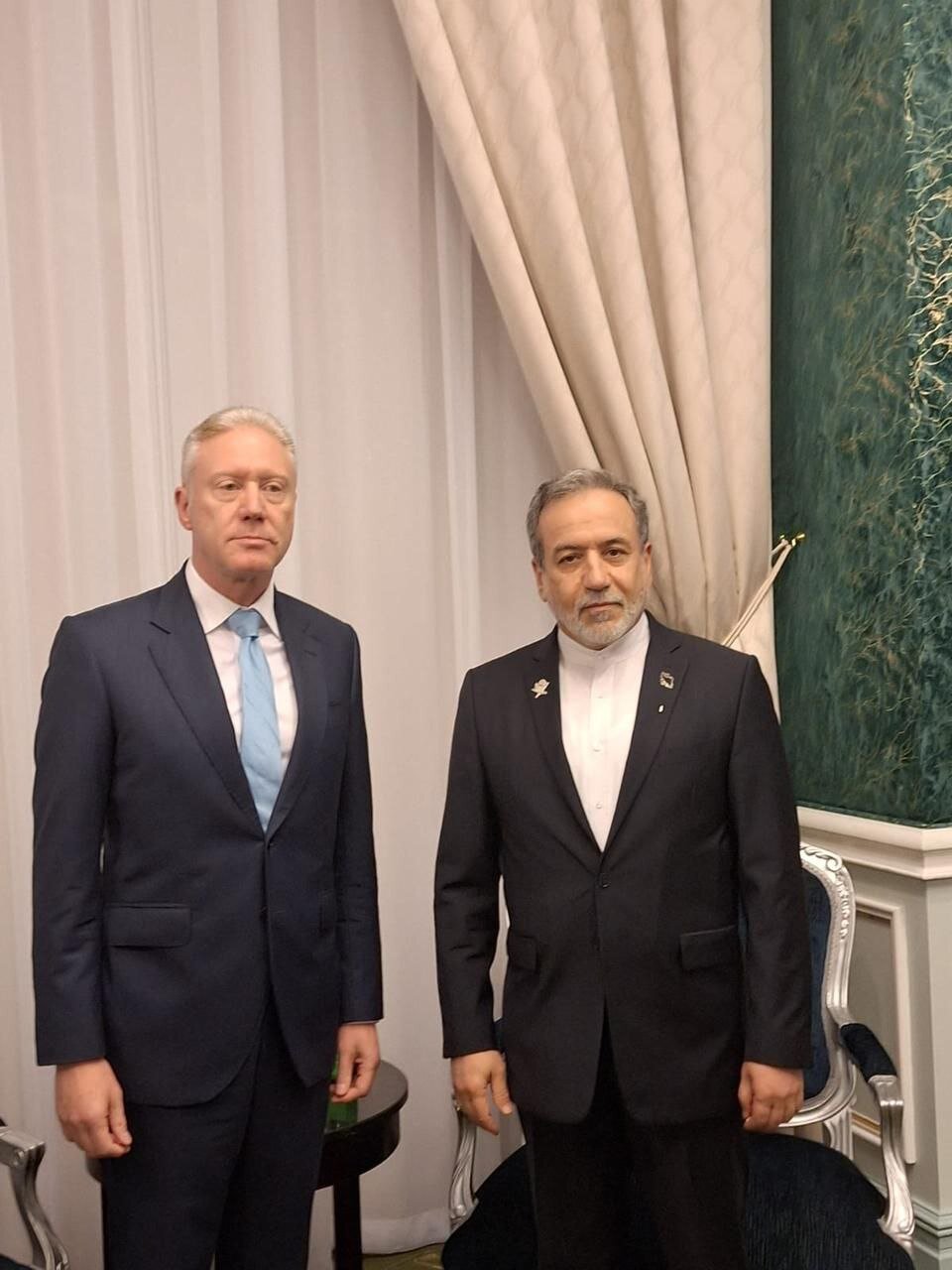
BEIRUT—Handpicked by the Lebanese Forces (LF), Lebanon’s Foreign Minister Youssef Raggi has, since taking office, behaved less like a custodian of national diplomacy and more like a partisan activist focused only on a narrow ideological agenda.
His rhetoric and conduct flagrantly depart from diplomatic norms, constitutional duties, and the government’s official line. What guides Raggi is not Lebanon’s interest but blind factional loyalty, wrapped in empty slogans.
Instead of serving as Lebanon’s chief diplomat, Raggi has abdicated his responsibilities, positioning himself as a self-appointed adversary of Iran while remaining conspicuously silent on daily Israeli aggression, American pressure, and Saudi interference.
He obsessively critiques every Iranian statement—including those expressing solidarity with Lebanon—while ignoring violations of Lebanese sovereignty. This selective outrage is not accidental; it signals deliberate political alignment, not objective policy.
Even more troubling, Raggi has transformed the Ministry of Foreign Affairs into a partisan extension of the LF.
His public statements frequently contradict the Prime Minister’s positions and the official government program, while encroaching on powers constitutionally reserved for President Joseph Aoun.
Diplomatic sources suggest Rajji operates under instructions from LF official Joseph Jbeily, who claims privileged access to U.S. decision-making circles.
Meanwhile, Rajji has failed to secure high-level meetings abroad, reinforcing the perception that he prioritizes posturing over diplomacy.
His refusal to meet Iranian Foreign Minister Abbas Araghchi in Tehran—proposing instead a neutral venue—constituted a gratuitous breach of diplomatic convention. Araghchi’s measured response only highlighted Rajji’s inept, externally dictated maneuvering.
Reports also indicate deliberate obstruction of routine protocols, such as delaying the nomination of Iran’s new ambassador to Lebanon, as part of a coordinated LF–U.S.–Saudi strategy to escalate tensions.
These actions are not minor gaffes; they are a politically engineered campaign that undermines Lebanon’s sovereignty and invites instability.
LF-aligned media outlets have amplified this recklessness, turning partisan propaganda into quasi-state messaging. The broadcast of an interview with the Israeli ambassador in Washington on a Beirut-based platform sparked internal panic, with journalists fearing legal or physical repercussions.
Ownership reportedly expressed frustration not at the breach itself but at hesitation—insisting on bigger confrontation with Hezbollah and clearer pro-Israel messaging.
This convergence of ministerial recklessness and media provocation is a deliberate political project: ideological loyalty to foreign powers over national interest.
At a time of extreme regional volatility, such conduct does more than undermine diplomacy. It effectively endangers the country.
By contrast, Iran’s Araghchi demonstrates how careful, principled, and disciplined diplomacy preserves influence while safeguarding national interests.
The comparison is stark: Rajji’s theatrics risk Lebanon’s credibility, while Araghchi’s measured approach commands respect and achieves tangible outcomes.
The question is unavoidable: Will Lebanon’s leadership restore institutional discipline, or will silence continue to serve as consent for reckless partisanship?
Leave a Comment