Lut Desert offers untapped potential for science, geotourism, experts say
TEHRAN – Iran’s Lut Desert, one of the hottest places on Earth and a UNESCO World Heritage site, holds significant potential for scientific research, education and nature-based tourism, researchers said at a conference marking the 10th anniversary of the desert’s inscription on the World Heritage list.
The online conference, organized by the University of Tehran’s international desert research center and the Lut World Heritage base, brought together specialists in geomorphology, environmental science, geology, climatology and tourism to discuss the site’s scientific, ecological and management values, IRNA reported on Wednesday.
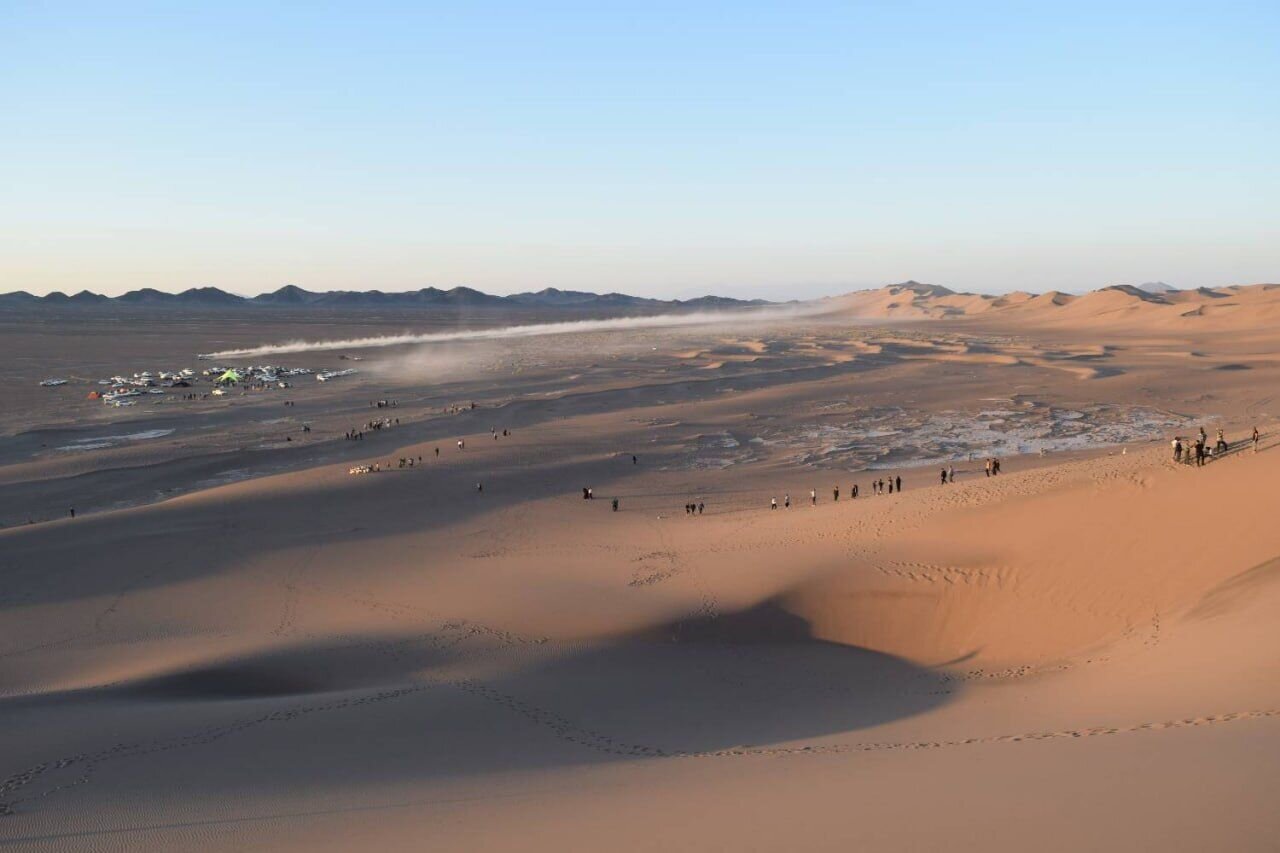
Nasser Mashhadi, a geomorphologist at the University of Tehran, described the Lut Desert as a natural museum of wind- and water-shaped landforms, highlighting its yardangs, known locally as kaluts, sand dunes, alluvial plains and the rare geological phenomenon of “armoured mud balls”.
He said the desert’s geomorphological diversity provides an exceptional setting for scientific research, education and the development of geotourism.
Hesam Ahmadi Birgani, a faculty member at the University of Urmia’s faculty of natural resources, said Iran’s sand seas cover about 5 million hectares, placing the country among those with the world’s largest expanses of sandy deserts.
He said sand landscapes should be viewed as an economic and tourism opportunity rather than a threat, pointing to their potential for sustainable tourism through attractions such as dark skies, desert silence and local community participation. He also noted the growing industrial uses of sand.
Hamidreza Naseri, head of the International Desert Research Center at the University of Tehran, presented findings from the first ground-based measurements of the Lut Desert’s surface temperature.
He said satellite observations from NASA’s MODIS instrument had previously estimated land surface temperatures in Lut at about 70.7 degrees Celsius, with some analyses suggesting temperatures approaching 80 degrees Celsius.
According to Naseri, the first field measurements, conducted in July 2022, recorded a maximum surface temperature of 73.5 degrees Celsius, confirming satellite data and reinforcing Lut’s status as one of the hottest places on Earth.
He added that the desert serves as a natural laboratory for research on climate, geography and climate change.
Naseri also highlighted the desert’s biodiversity, citing heat- and drought-resistant plants such as Calligonum leucocladum and Haloxylon persicum, along with animal species adapted to extreme environmental conditions.
Mehran Maqsoudi, director of the Lut World Heritage Base, reviewed the site’s World Heritage inscription, noting that Lut became Iran’s first natural property to be listed by UNESCO in 2016 under criteria (vii) and (viii).
He said studies of the permanent Shur River and changes observed over the past two decades, including the formation of young lakes in parts of the desert, have increased the site’s scientific value while presenting new management challenges.
Maqsoudi said Lut’s kaluts are the tallest, longest and most continuous yardangs known worldwide, reaching heights of more than 225 meters and extending for more than 40 kilometers, making them a defining feature of the World Heritage site, IRNA reported.
Participants concluded that protecting the Lut Desert will require science-based management, greater involvement of local communities, continued climate monitoring and stronger national and international cooperation, while calling for a shift from managing the desert as a threat to recognizing it as an opportunity for research and responsible tourism.
AM
Leave a Comment