Qalibaf: Trump recognized 'Resistance Front' in MoU
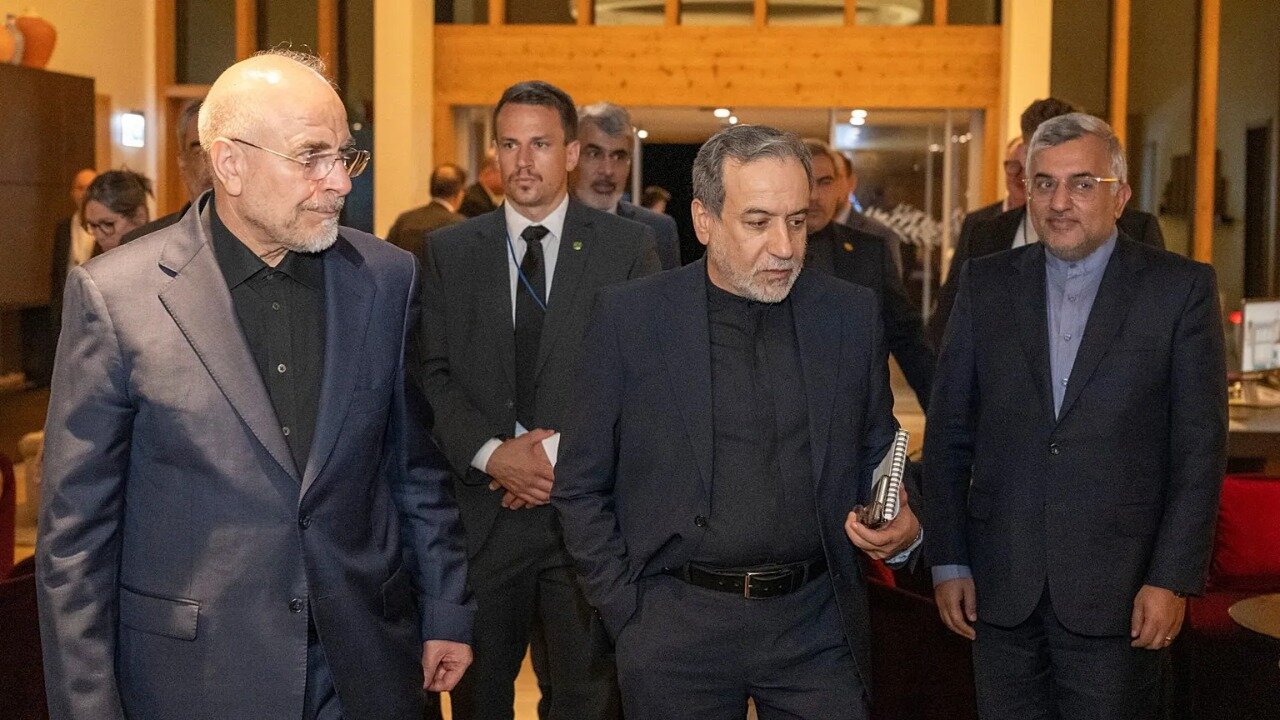
TEHRAN — Parliament Speaker Mohammad Baqer Qalibaf said on Saturday that President Donald Trump signed off on the official recognition of the "Resistance Front" in a recently brokered memorandum of understanding (MoU).
"Whereas in the original 15-article draft, the US demanded that Iran abandon its missile program, its nuclear program, the Resistance Front, and control of the Strait of Hormuz, Trump ultimately signed a recognition of the Resistance Front in Persian," Ghalibaf said, referring to the MoU that Trump signed with Iran on June 17.
Addressing a gathering of cultural figures, the Parliament speaker detailed how Tehran’s uncompromising military readiness forced Washington to back down during high-stakes diplomatic maneuvering. Qalibaf revealed that Iran temporarily halted all negotiation processes following an Israeli strike on the Dahieh district of Beirut, which martyred Hezbollah’s intelligence chief alongside his family. Immediately after the attack, Tehran issued a direct ultimatum.
According to Qalibaf, when Trump posted a public statement claiming Iran had agreed to reopen the strategic Strait of Hormuz as part of a blockade removal, Tehran delivered an immediate warning through diplomatic mediators: correct the claim, or face swift military retaliation.
“I told the mediators that if this post was not removed immediately, we would strike with full intensity,” Qalibaf said. “Fifty-eight minutes later, Trump altered the statement, writing instead that the strait would reopen within the agreed framework.” Qalibaf framed the retreat as proof that armed strength remains vital to diplomatic victory. “This reflects the dignity of Islam; it demonstrates that negotiation itself is a form of struggle,” he said.
The 14-point, Pakistan-brokered MoU between Iran and the United States called for a permanent end to hostilities across all fronts—including Lebanon—alongside the complete lifting of the US naval blockade on Iran within 30 days and the restoration of commercial traffic through the Strait of Hormuz.
The deal came in the wake of a second unprovoked war of aggression launched by the United States and Israel on February 28. Powerful retaliation by the Iranian Armed Forces ultimately forced the aggressors to seek a ceasefire just 39 days after launching their campaign, establishing Tehran's decisive upper hand at the negotiating table.
Leave a Comment