US tanker aircraft leave Bulgaria as Iran war raises doubts over NATO protection
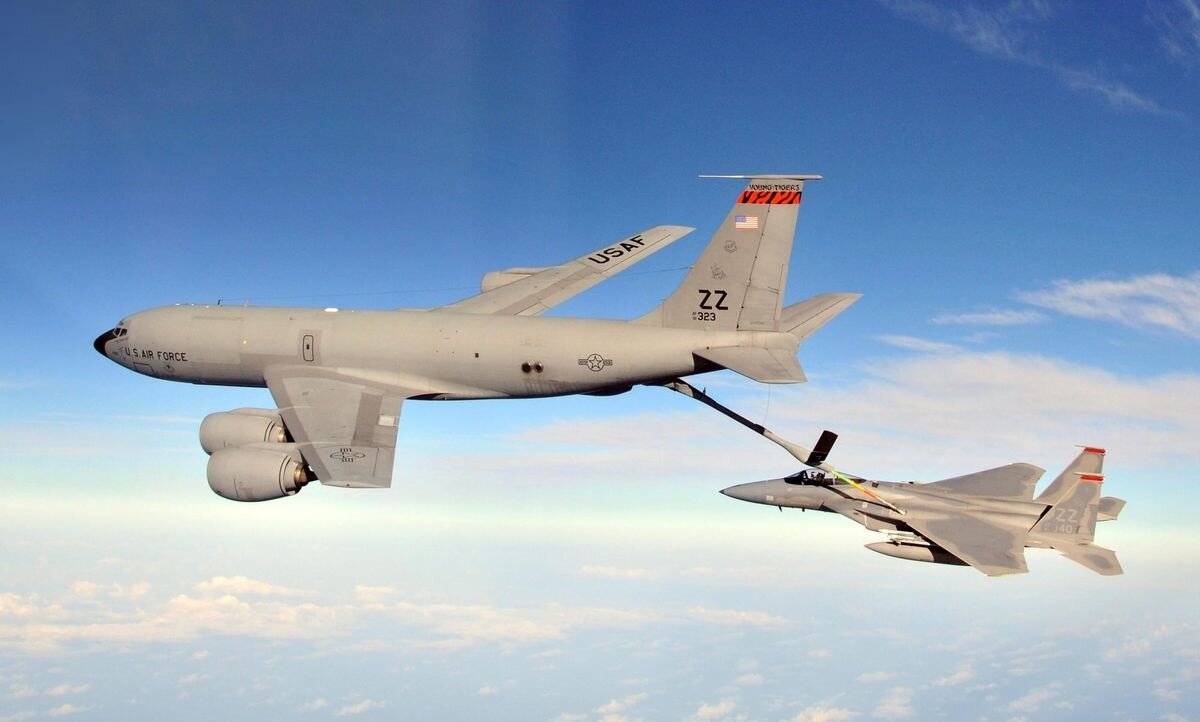
TEHRAN — Two US Air Force KC-135 tanker aircraft, originally deployed to support US military operations involving Iran, have departed Bulgaria’s Bezmer Air Base. The withdrawal was confirmed on Friday by Bulgaria’s Defense Minister, Dimitar Stoyanov.
The temporary deployment was requested by the United States—which launched a joint military campaign with Israel against Iran on February 28—under a bilateral agreement governing the joint use of military facilities.
On July 22, Bulgaria’s parliament officially authorized the use of Bezmer Air Base as a refueling site, permitting roughly 250 US military personnel to be stationed at the facility until October. However, the decision immediately sparked protests among residents who voiced fears that the presence of the American planes could make the area a target for Iranian missile and drone strikes.
The deployment also triggered swift diplomatic warnings from Tehran. Iranian Foreign Minister Abbas Araghchi spoke to his Bulgarian counterpart shortly after the authorization, reminding her that "any party that participates in any way in carrying out a military attack against Iran will certainly have to accept responsibility for its consequences." Earlier in July, Iranian Foreign Ministry spokesman Esmaeil Baghaei issued a similar warning against hosting the American aircraft, stating that facilitating such operations would amount to "complicity in the crimes of aggression and war crimes."
Tensions mounted further following a recent report by the Financial Times alleging that Tehran had evaluated potential strikes against American military assets in southeastern Europe—specifically highlighting Bulgaria—if the US escalated the conflict. In response to the report, an unnamed NATO official asserted that the alliance was fully prepared to address any threats against US military targets on European soil.
Dr. Tania Glouhtcheva, PhD in Political Sciences and Head of the International Department at Bulgaria’s DUMA newspaper, shared her insights on the local mood following the departure of the US aircraft. “Of course, people are calm now, especially those living in Bezmer.”
Despite the temporary relief, she raised deeper questions regarding NATO’s security guarantees for the region. “The main concern for most Bulgarians and Europeans is that NATO won’t be able to protect us,” she stated. “Most people don’t believe NATO is as strong as it is portrayed. Although we are part of the EU, crises in recent years have shown that every country acts in its own interests and would rather protect itself than help another member state.”
Dr. Glouhtcheva also expressed skepticism regarding Washington's reliability as a partner for Sofia.
“Although there is a very pro-American party in the parliament, ready to do whatever Trump orders, I think most people retain their common sense,” she said.
Pointing to shiftable geopolitical stances under the US leadership, she added, “Donald Trump changes his mind constantly. Today he assures us he is our friend and ally; tomorrow, he decides the opposite.”
The departure of the KC-135 tankers from Bezmer Air Base has brought immediate relief to local communities that feared being drawn into the crossfire of the West Asia conflict. Yet the episode has exposed far deeper concerns about Europe’s security architecture. For many Bulgarians, the controversy has reinforced doubts over whether NATO can actually shield its members from the consequences of a wider conflict, particularly when US military operations turn European territory into a potential target. It also underscores the difficult position of smaller NATO members, caught between pressure to meet alliance commitments and the growing need to protect their own populations from the risks created by Washington’s military engagements. At the heart of the debate is a growing concern that NATO’s security guarantees may offer less protection than expected, while closer alignment with US military operations could instead leave European allies more exposed to the consequences of conflict.
Leave a Comment