New partnership to promote herbal, traditional medicine
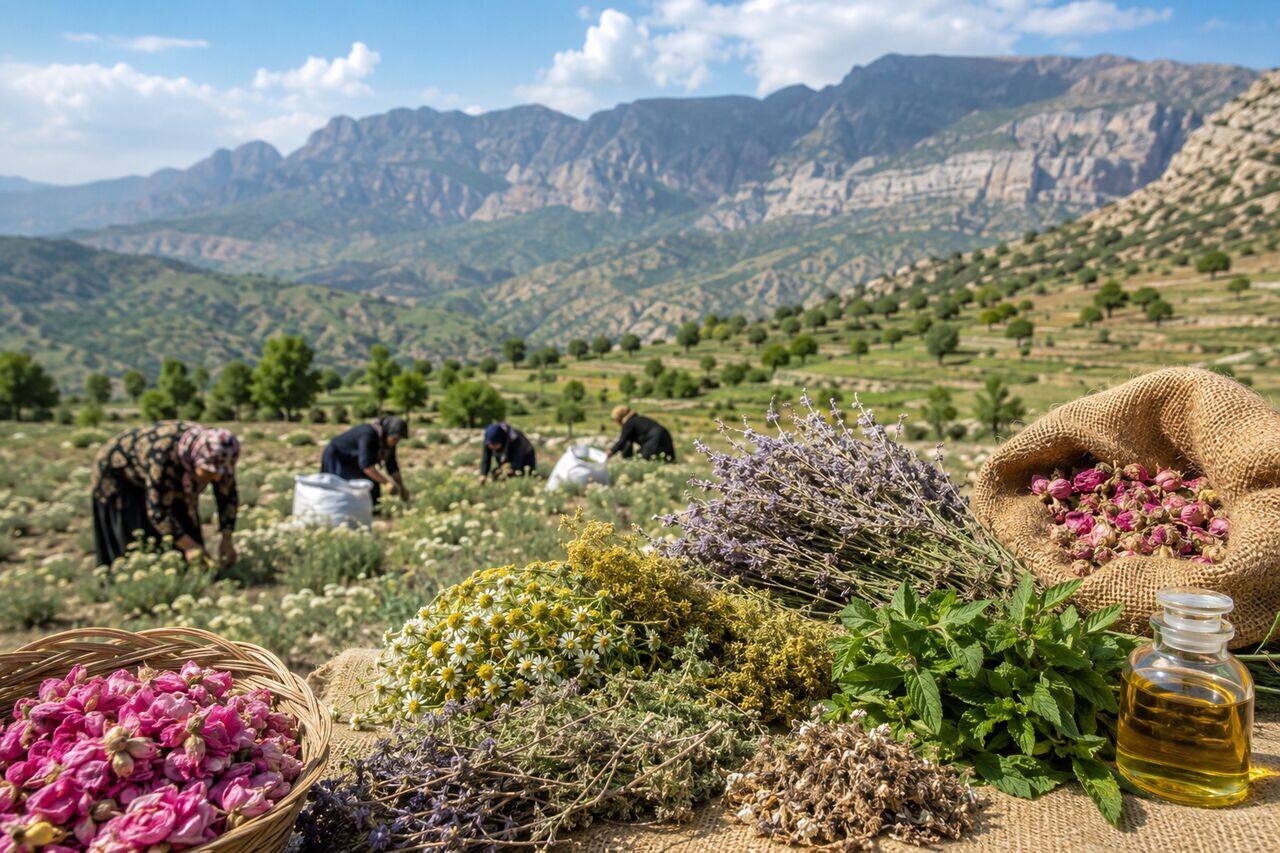
TEHRAN – A memorandum of understanding has been signed between the Vice Presidency for Science, Technology and Knowledge-Based Economy and the Inter-Islamic Network on Nanotechnology (INN), aimed at expanding scientific and technological cooperation, fostering networking among research centers and knowledge-based companies, and strengthening the international presence of Iran’s traditional medicine capabilities and its herbal and natural products.
The agreement also aims to expand scientific and technological cooperation, foster networking between research centers and knowledge-based companies, and enhance the international presence of the country’s traditional medicine, herbal and natural products, IRNA reported.
Technological development and the conversion of scientific achievements into effective economic and technological capacities require the establishment of transboundary collaboration networks and connections among universities, research centers, specialists, knowledge-based companies, and scientific and technological institutions to pave the way for knowledge sharing, the implementation of joint projects, and the development of international markets.
One of the main objectives of the MOU is to establish a network of influential international agents, identify and benefit from the capacities of knowledge-based companies and experts, for example, the Standing Committee for Scientific and Technological Cooperation (COMSTECH), facilitate interactions among research and scientific centers, and provide a platform for the implementation of joint research projects and initiatives.
According to the MOU, INN will help boost ties between domestic and international scientific and technological networks, which can contribute to recognizing scientific partners in Islamic countries, and enhancing collaborations between knowledge-based companies and research centers.
The adopted approach will enhance scientific and technological diplomacy, expedite the development of joint research, knowledge and experience exchange, and technology transfer, improve product standards, promote technological collaborations, and ultimately expand regional and international markets for Iranian knowledge-based products in medicinal plants and Persian medicine.
According to a report by the World Health Organization (WHO), Iran ranks third in traditional medicine trials in the International Clinical Trials Registry Platform (ICTRP), highlighting the country’s status as one of the world’s pioneers in traditional and complementary medicine.
China and India rank first and second, respectively, the health ministry’s website reported.
The share of clinical trials in traditional and complementary medicine in Iran makes up about three percent of all clinical trials registered in the country, while just about 0.3 percent of the healthcare staff are experts in traditional and complementary medicine. The report shows the high capacity of Iranian researchers to move towards evidence-based medicine.
Persian traditional medicine strongly focuses on prioritizing health maintenance and disease prevention over treatment.
It is one of the most ancient forms of traditional medicine. It is grounded in the concept of four senses of humor: phlegm (Balgham), blood (Dam), yellow bile (Safra’), and black bile (Sauda’). The concept of the four senses of humor is based on the teachings of Rhazes and Avicenna in an elaborate medical system.
So far, about 30,000 plant species have been identified in the world, with Iran’s share of about 8,000 species, which is more than the whole of the species found in Europe.
Around 500 Persian medicine experts are providing health and medical treatment services across the country. More than 1,000 general practitioners who have passed the Persian medicine courses approved by the health ministry are also offering services.
Training Persian medicine experts has always been at the top of the Persian medicine office’s agenda. Therefore, different skill courses have been developed and held under the supervision of the health ministry.
MT/MG
Leave a Comment