Qalibaf: Iran will respond militarily if US intensifies blockade
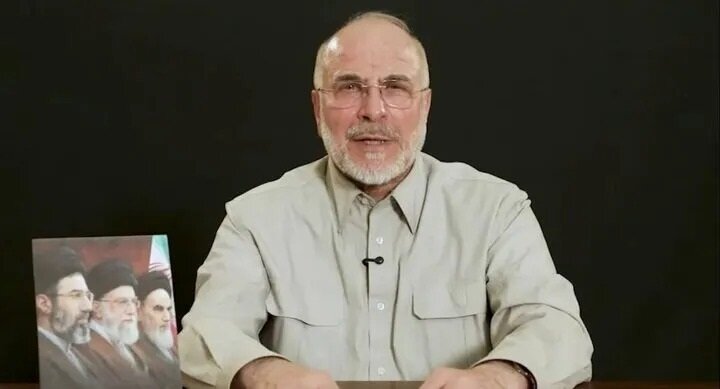
TEHRAN — Iran’s Parliament Speaker Mohammad Baqer Qalibaf has warned that the United States has resorted to a “hybrid war” against the Islamic Republic in an attempt to compensate for its military and diplomatic failures.
“The enemy has shown us that, after suffering setbacks on the military and diplomatic fronts, it has added an extensive economic and cognitive warfare campaign to its operations,” Qalibaf said in a video address.
He added, “In other words, we are now facing a hybrid war where the naval blockade itself constitutes a form of military warfare. Economic warfare remains their primary focus, reinforced by sophisticated psychological operations.”
The Parliament speaker touched upon Washington’s broader objectives behind this strategy, stating: “The enemy’s goal in this hybrid war is to incite domestic unrest and chaos—that is their sinister intention—and in some instances, carry out targeted assassinations. They may even attempt short, limited military strikes to weaken our resolve or compel us to capitulate at the negotiating table.”
Qalibaf also warned that Iran will respond militarily if the US intensifies its blockade of Iranian ports.
“If they intensify the blockade, we will definitely respond militarily, and everyone will suffer. If the enemy is determined to prevent us from exporting oil from the Persian Gulf, no one will be able to export oil,” he asserted.
Qalibaf’s remarks come amid escalating rhetoric from Washington. President Donald Trump recently threatened an unprecedented multi-front campaign against Tehran, warning of potential military strikes against Iranian strategic assets and infrastructure if key demands are not met.
The military threats coincide with what Trump described as an all-out “crushing economic D-Day” campaign against Tehran. Under the sweeping economic measures, Washington warned international banks, companies, and governments that maintaining trade ties, processing transactions, or facilitating Iranian oil exports would trigger severe secondary sanctions and financial isolation.
The US and Israel initiated another round of unprovoked aggression against Iran on February 28, coming approximately eight months after their previous unlawful attacks on Iranian territory in June 2025. However, Iran’s strong military response against Israel and American bases in the region forced Trump to call for a ceasefire, which went into effect on April 8. Despite the truce and a Pakistani-mediated memorandum of understanding on June 17, the US has violated its commitments with new strikes against Iran and the continuation of its naval blockade.
Leave a Comment