The UNGA riddle: America's dilemma over Iran
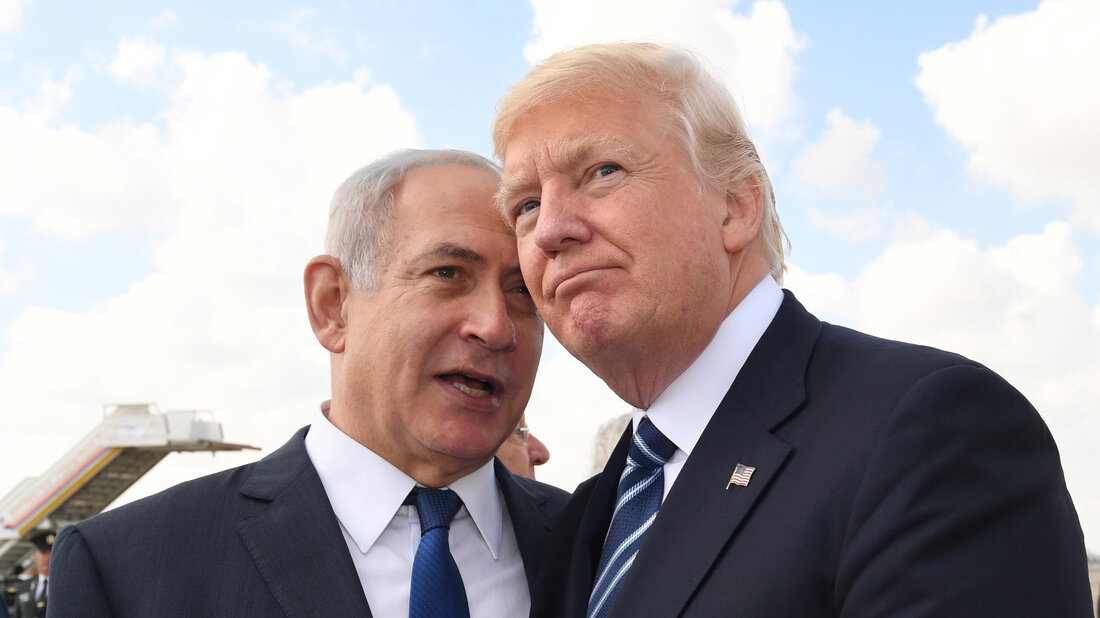
TEHRAN — According to the US pattern of behavior, Washington often considers international entities and gatherings as appropriate tools for initiating political or military campaigns against its adversaries.
A clear instance of such treatment against Iran refers to June 12, 2025, when the IAEA’s Board of Governors, under US pressure, issued a resolution against Iran — a resolution accusing Iran of not following NPT regulations after almost 20 years of commitment.
By then, and simultaneously, the US and Israel had reemphasized their intimidations and threats against Iran’s nuclear facilities, such as Pickaxe Mountain, and had architected the assumption that a new strike was imminent.
But it did not happen. Perhaps this was because of Iran’s tireless efforts to pursue diplomacy and remain on that track, despite some frustration within society that diplomacy no longer works.
At the very annual gathering in which a resolution against Iran’s nuclear activities was passed, members, through a secret voting process, appointed Iran as a member of the General Council of the IAEA. The council is a body that plays a determining role in governing the agency. This means that members voted against Iran under US pressure, but when they felt safe from the consequences of their votes, they voted in favor of Iran. This was a total political loss for the US and a significant diplomatic achievement for Iran.
The same process happened again at the UNGA. Americans, from the media to their think tanks and presidents, sought to put Iran in a difficult dilemma: either accept a deal according to US demands or face a new round of strikes.
Donald Trump said at the UNGA: “Will a deal be made with Iran that lets them rebuild, and create a far greater country than it ever was before?” Then he continued: “Or do I annihilate the Islamic Republic and do it quickly, never giving them a chance to kill and destroy people and countries again? Do I drive them into hell with no chance of survival and no hope of future greatness or generations?”
At the same time, when the US president and the Israeli prime minister delivered their speeches about Iran’s isolation in today’s world, the Iranian president and foreign minister met with more than 30 heads of government, foreign ministers, and high-ranking diplomats.
While a huge amount of criticism was directed at Trump for his speech and his threat to annihilate Iran, Dr. Pezeshkian’s speech was described as an exact and clear sketch of what had happened during the previous seven months. On the other hand, Netanyahu, as a close ally of Trump, had never been humiliated in such a way before. He limited his trip to New York because of Mamdani’s threats to arrest him, and members of more than 70 delegations left their seats before he began his speech.
With the likely failure of a new round of talks with the US and the relatively successful presence and engagement of the Iranian delegation in New York, perhaps a new round of the US administration’s plan to exert further pressure on Iran has found itself at a dead end.
Now, a vital question emerges: Would Washington stick to its stated dilemma, or retreat from what has already been said?
Leave a Comment